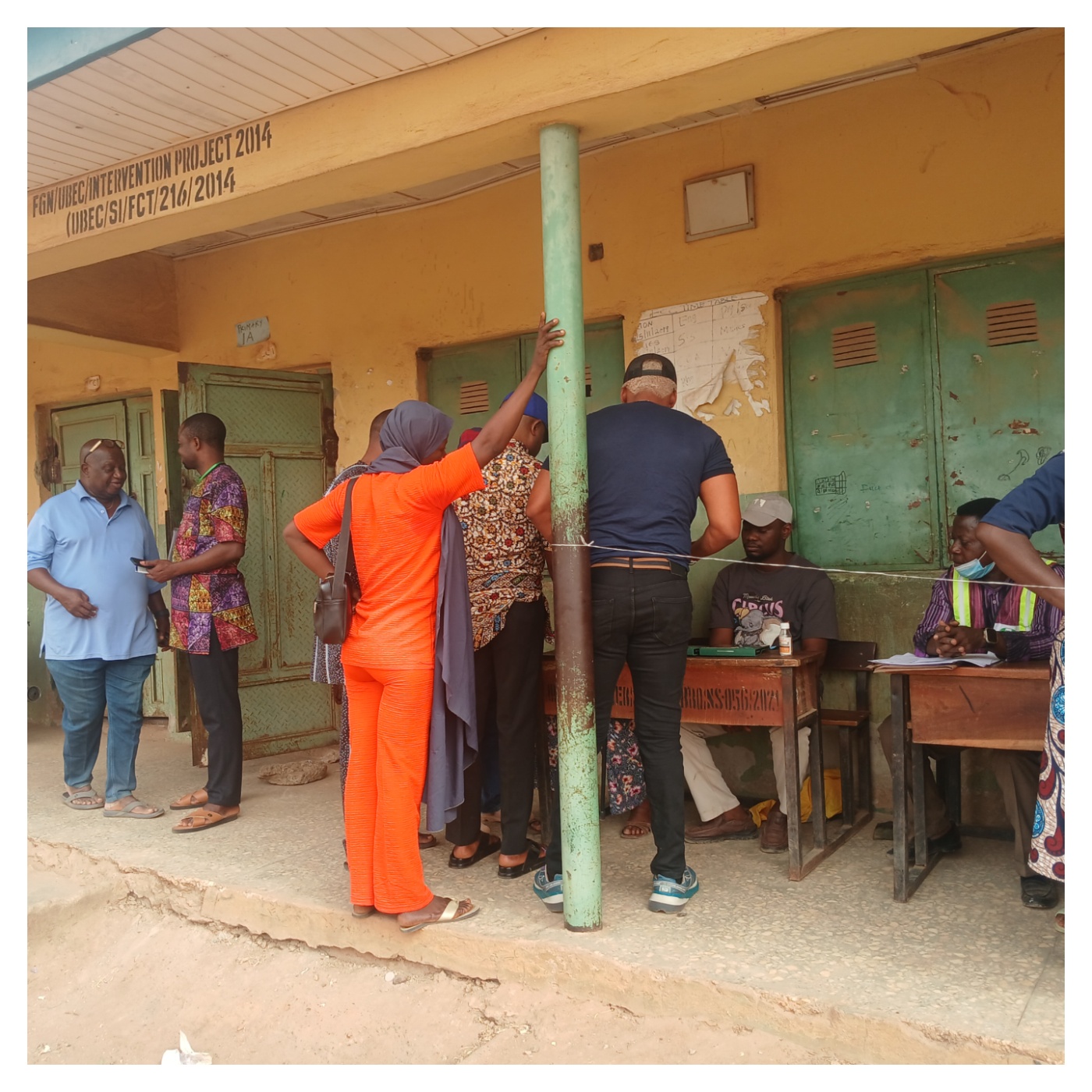
Civil society organizations have sounded the alarm over significant gaps that could jeopardize the integrity of the upcoming governorship election in Ekiti State, scheduled for June 20, 2026. Under the European Union Support to Democratic Governance in Nigeria Phase Two programme, these groups presented a pre-election assessment in Ado-Ekiti, highlighting multiple areas of concern regarding the Independent National Electoral Commission’s readiness. According to their findings, as of mid-April 2026, INEC’s preparedness across all 16 local government areas stood at just 34 percent. Issues such as delayed election funding, dilapidated infrastructure, insufficient operational vehicles, and problematic collation centers were flagged as critical. Additionally, the report identified vote buying, political thuggery, misinformation, and the potential for excessive security forces as major threats. Specific local governments—Ado-Ekiti, Ikole, Moba, and Ilejemeje—were categorized as high risk, while Efon, Ikere, and Oye were deemed medium risk. The groups also pointed out that despite 13 political parties participating, not a single party fielded a female candidate, and persons with disabilities were similarly excluded from the race. They urged INEC to urgently enhance its preparation, strengthen the BVAS and IReV technologies, and intensify voter education efforts. The report was jointly endorsed by CEMESO, ElectHER, IPC, NWTF, TAF Africa, The Kukah Centre, and Yiaga Africa.