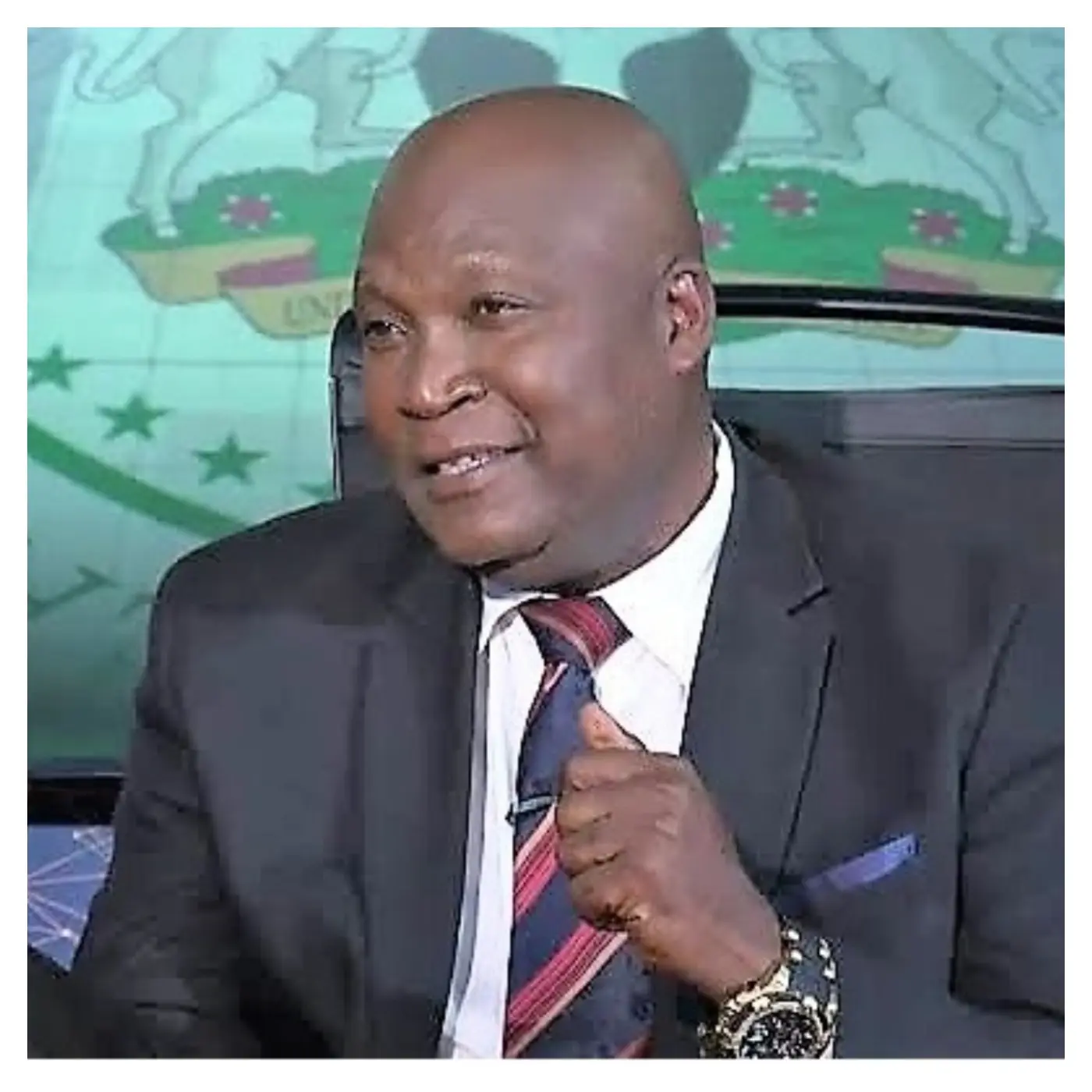
A prominent political analyst and All Progressives Congress (APC) member, Dr. George Agbakahi, has strongly opposed suggestions by Professor Pat Utomi for political parties and private organizations to establish alternative systems for declaring election results. Agbakahi warns that such moves could threaten Nigeria’s constitutional order, incite political turmoil, and endanger national security.
In a detailed response to Utomi’s proposals, Agbakahi emphasized that only the Independent National Electoral Commission (INEC) holds the constitutional mandate to verify and announce election outcomes. He made this clear in a statement titled “Competing Electoral Verdicts and the Threat to Democratic Stability in Nigeria: The Perils of Parallel Result Declarations in Nigeria.”
Agbakahi, who leads the Tinubu Support Organization in the South-East, argued that democratic legitimacy depends on a single lawful authority to decide election results. He stressed that Nigeria’s Constitution and Electoral Act explicitly grant INEC this exclusive responsibility, and that electoral outcomes only gain legal force when declared through established procedures.
According to the APC chieftain, the existing electoral framework provides a clear chain for result collation and declaration, from polling units to the national level, all under INEC’s oversight. The law does not authorize any parallel entity to perform similar functions.
Agbakahi acknowledged that political parties play a vital role in monitoring elections and have broad access to data through accredited agents. However, he maintained that access to information does not confer the right to declare winners. While parties can collect and analyze results for verification and legal challenges, the authority to announce victories remains solely with INEC.
He further noted that if parties believe official results are flawed, the Constitution provides for redress through election petition tribunals and courts. Democratic governance requires using judicial remedies rather than resorting to self-help measures.
Agbakahi also dismissed arguments that parallel declarations could be justified under freedom of expression, noting that fundamental rights are subject to restrictions for public safety and order.
Expressing deep concern about proposals for independent result aggregation systems, Agbakahi argued that such systems, though presented as tools for transparency, could create competing centers of legitimacy. In an era of AI and deepfakes, multiple declarations could fragment the electoral landscape into conflicting narratives.
Drawing parallels with the judiciary, he said that just as private courts cannot issue binding judgments, political parties cannot set up alternative institutions to declare results. Multiple claims of victory often spark legitimacy crises, unrest, institutional breakdown, and economic instability.
Citing historical examples, Agbakahi referenced the Western Region crisis of 1964–1965, which contributed to the First Republic’s collapse and the 1966 military coup. He also mentioned the June 12, 1993 election annulment, which caused prolonged instability, and the 2011 post-election violence that left over 800 dead and thousands displaced.
He also pointed to African examples such as Kenya’s 2007–2008 violence, Côte d’Ivoire’s 2010–2011 crisis, and Zimbabwe’s disputed 2008 elections, arguing that fragmented electoral legitimacy often leads to severe consequences. Given Nigeria’s size and diversity, similar events could be especially devastating.
Looking ahead to the 2027 elections, Agbakahi warned that growing polarization, declining trust, economic hardship, and rapid digital information spread could amplify dangers. Partisan result platforms might encourage premature mobilization, deepen distrust, and create narratives that resist constitutional resolution, harming investor confidence and stability.
He urged strict enforcement of laws against unauthorized result announcements and called on INEC to enhance transparency through real-time publication of polling unit results online. He also proposed legislative clarification to address technological challenges while balancing expression with public order.
Agbakahi appealed to media organizations to clearly distinguish between official declarations and partisan tallies to avoid inflaming tensions. He concluded that Nigeria’s democratic future hinges not only on credible elections but also on preserving the integrity of institutions constitutionally empowered to validate outcomes. “The choice confronting the nation is not between transparency and opacity; it is between constitutional order and institutional fragmentation. In a constitutional democracy, electoral sovereignty must remain singular, lawful, and institutional,” he stated.