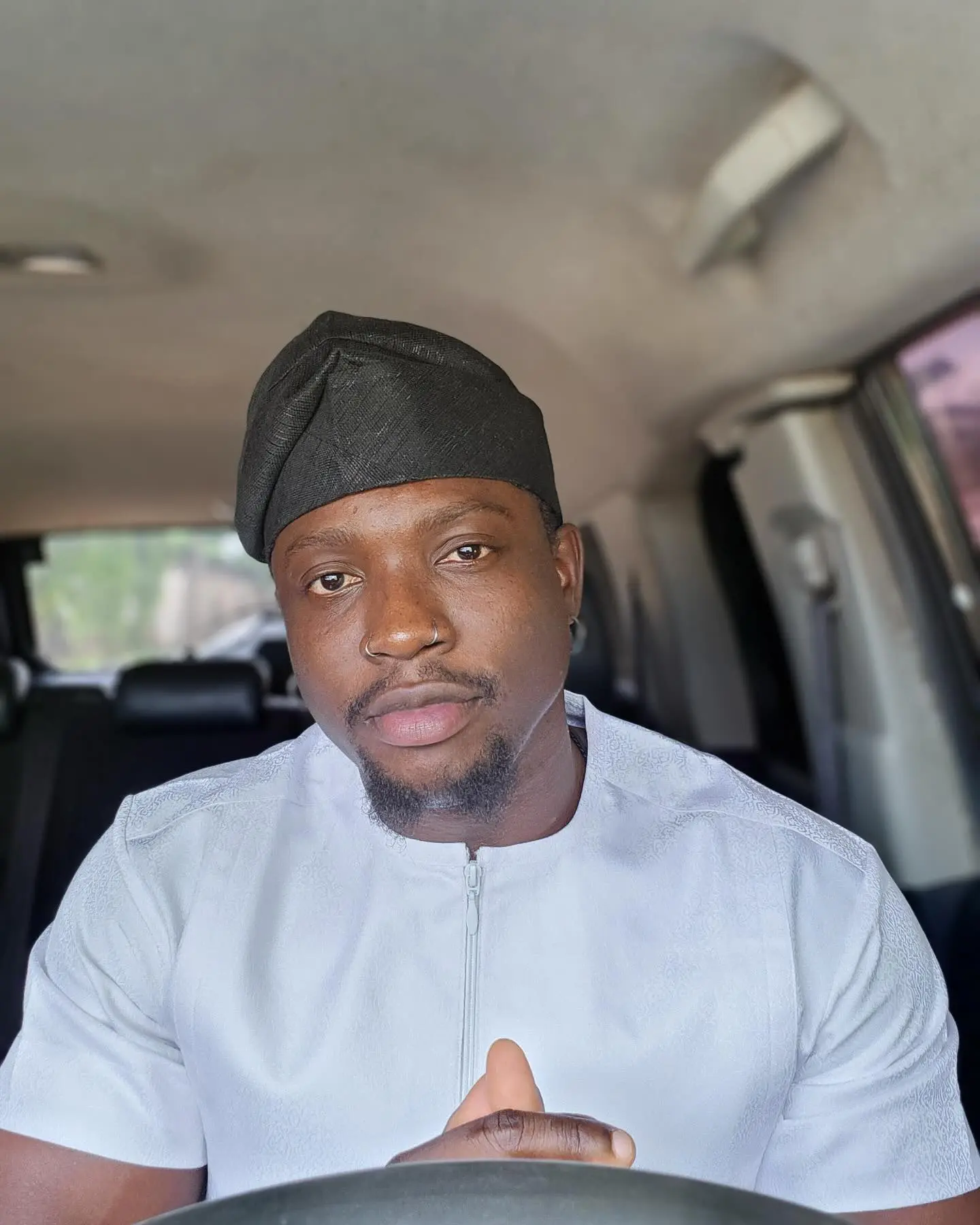
A legal expert and Chief Operating Officer of UBIIJUS Intelligence, Dr. Blessing Agbomhere, has strongly condemned the recent protest call by social media influencer Vincent Otse, better known as VeryDarkMan (VDM). He argued that such actions could jeopardize national security and stability.
In a statement issued over the weekend, Agbomhere emphasized that Nigeria’s security troubles demand collective patriotism and active collaboration with law enforcement, not street demonstrations or anti-government sentiments. He warned that VDM’s rhetoric could undermine public trust in government institutions at a crucial juncture.
Agbomhere expressed dismay at Nigerians who celebrate VDM, describing him as someone who thrives on online insults and mocking a nation facing serious security issues. He said, “It deeply disturbs me to see some naive and unpatriotic citizens embracing VeryDarkMan, whose only talent is online abuse and ridiculing our country in the midst of complex security problems. Calling for protests against insecurity or President Bola Ahmed Tinubu’s administration is not patriotic; it encourages chaos and national instability.”
The lawyer noted that insecurity arises from multiple causes, including weak law enforcement, poverty, unemployment, poor education, communal conflicts, drug abuse, greed, and the desire for quick riches. He stressed that tackling these requires a united front rather than political agitation. Agbomhere, author of “Nigeria’s National Security Challenges,” highlighted that the solution lies in stronger citizen-security agency cooperation through credible intelligence and community watchfulness.
He praised the Nigerian Army, Navy, Air Force, Police, DSS, Office of the National Security Adviser, Homeland Security adviser, FRSC, NSCDC, and other emergency agencies. “Despite ongoing challenges, Nigerians must recognize the dedication and sacrifices of those who risk their lives daily for the nation. Their work deserves not just praise but active public support,” he stated.
Security cannot be solely the government’s burden, Agbomhere argued. “No security system, no matter how advanced, can succeed without citizen backing. Given Nigeria’s vast size and modern threats, people must stay alert and report suspicious activities. Timely tips from the public are among the best crime prevention tools,” he added.
Drawing parallels with the UK and US, he noted that citizens in advanced democracies often act as the first line of defense through vigilance and police cooperation. The lawyer accused certain political figures of using insecurity as a platform for partisan gain ahead of the 2027 elections, warning that inflammatory language could spark widespread tension.
Acknowledging Nigerians’ right to free expression, Agbomhere insisted that these rights “must be exercised responsibly to foster peace, unity, and national progress.” He urged public officials, security personnel, and law enforcement to remain committed to crime prevention and justice.
Concluding, he called on Nigerians to maintain faith in the country’s institutions, emphasizing that overcoming insecurity requires patience, resilience, and sustained teamwork. “Nigeria will overcome its security hurdles if citizens, communities, and government bodies work together for the national good. This is a time for unity, patriotism, and collective action—not division. Together, we can build a safer and more secure nation for all,” he said.