The Federal Government has announced the identification of 470 grazing reserves that are legally recognized and protected. These will be used for rehabilitating and resettling pastoralists as part of a strategy to eliminate open grazing and enhance livestock output.
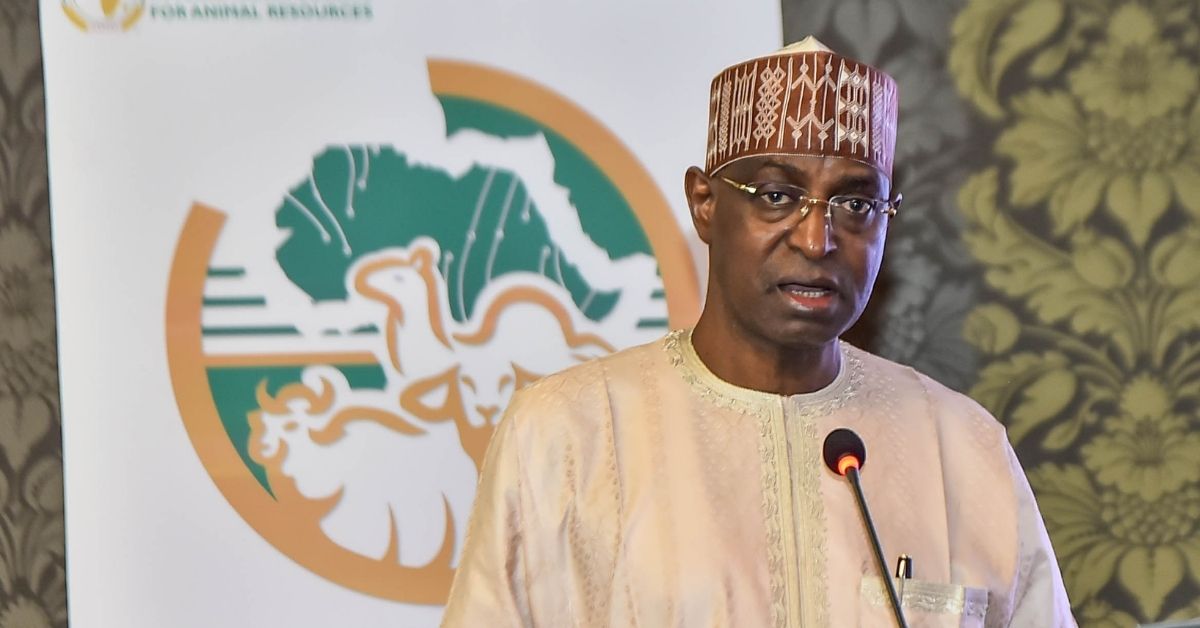
During an interview on Arise News, the Minister of Livestock Development, Idi Maiha, shared details about the National Dairy Policy Framework and broader plans to overhaul Nigeria’s livestock industry.
Maiha explained that the goal is to encourage herders to embrace a settled lifestyle by moving them into designated reserves, where government programs can be delivered more efficiently.
By concentrating pastoralists in these areas, the government aims to improve disease monitoring, breed quality, and overall animal health, while minimizing the movement of cattle across urban and rural areas.
The minister stressed that open grazing is no longer viable, pointing out that long-distance trekking reduces productivity and hampers efforts to meet national dairy needs.
“We are educating pastoralists on the benefits of settling in one place. Once they are in the reserves, we can easily implement all necessary improvements to boost productivity,” Maiha stated.
Additionally, the government plans to introduce jaw-tagging technology for livestock, enabling authorities to track animals and quickly locate any that wander off or are stolen.
On dairy output, Maiha noted that Nigeria currently produces only 1.2 to 2 liters of milk per cow each day, far behind countries like Kenya, where daily yields can reach 30 liters.
He attributed this low performance to poor genetics, insufficient feeding, and weak disease control measures.
Maiha highlighted that although Nigeria has about 270 million ruminants—including cattle, sheep, goats, and camels—the country has not modernized its livestock genetics on a large scale.
He pointed out that while research institutions and veterinary colleges exist nationwide, genetic improvement initiatives have not been widely adopted.
According to the minister, the government’s plan under the National Dairy Policy Framework focuses on better nutrition, disease prevention, and genetic enhancement to boost local milk production and cut imports.
He concluded that with improved breeding and performance-based selection, milk yields can rise significantly, revitalizing Nigeria’s livestock sector.