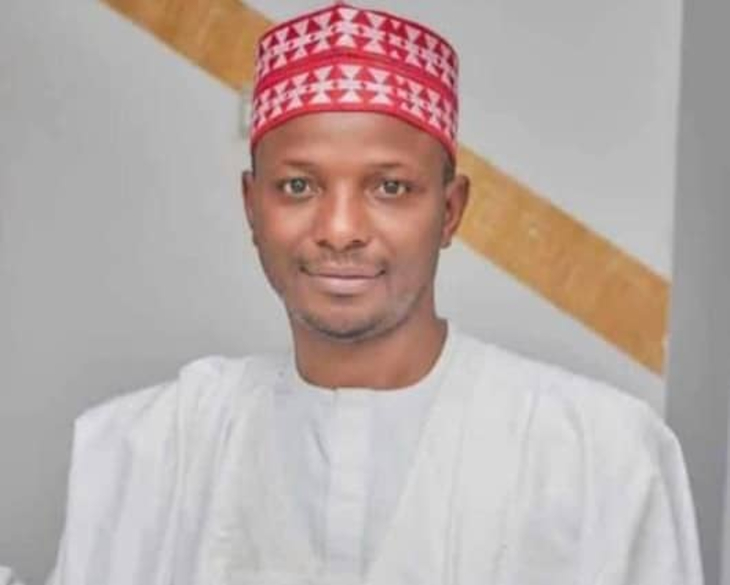
The Kwankwasiyya movement has officially debunked allegations of favoritism surrounding the selection of Mustapha Kwankwaso as the deputy governorship candidate in Kano State. According to the movement’s spokesperson, Habeeb Saleh Mohammed, the process was transparent and adhered strictly to democratic principles.
In an exclusive conversation with DAILY POST on Wednesday, Mohammed emphasized that the choice was entirely made by the party’s governorship candidate, Aminu Abdussalam Gwarzo, and not imposed by any external figure. He described criticisms from the All Progressives Congress (APC) as expected in politics and based on individual perspectives.
“I would have preferred not to respond to the APC’s remarks,” Mohammed stated. “No matter who we select, they will always have objections. That’s the nature of politics.”
The Nigeria Democratic Congress (NDC) had earlier announced Mustapha Kwankwaso, the eldest son of Rabiu Musa Kwankwaso, as Gwarzo’s running mate. Before this, Mustapha had served as Commissioner for Youths and Sports Development under Governor Abba Kabir Yusuf.
Mohammed revealed that the NDC initially approached Rabiu Musa Kwankwaso to join the party when they were establishing their presence in Kano. However, Kwankwaso declined as he had already decided to join the ADC. The party then proposed that his son join instead, even offering to make him governor, but Kwankwaso rejected the idea.
“He told them clearly that he wouldn’t be in one party while his child was in another,” Mohammed explained. “He thanked them and moved on to the ADC.”
Subsequent political developments, including internal issues within the ADC, led to fresh negotiations and eventual collaboration with the NDC and its presidential candidate, Peter Obi. Mohammed stressed that Mustapha’s emergence was the result of a grassroots-driven process.
“The selection began at the local level,” he said. “All aspirants were directed to return to their local governments, meet stakeholders, and undergo screening. Those stakeholders nominated the candidates.”
He cited examples from Ajingi and Dawakin Kudu, where aspirants who followed the process secured nominations, while those who lobbied at the headquarters failed. “Our national leader made it clear that tickets are not given at the centre,” Mohammed added.
After Gwarzo emerged as the governorship candidate, he exercised his constitutional right to choose a running mate. Mohammed disclosed that when Mustapha was first presented, Rabiu Musa Kwankwaso vehemently opposed it. But Gwarzo took responsibility for convincing him, emphasizing that it was his personal choice.
“It was Gwarzo who did the convincing,” Mohammed said. “He insisted on Mustapha after consultations and eventually unveiled him to stakeholders.”
Mohammed highlighted that Mustapha’s youth engagement and track record influenced the decision. “Gwarzo believes that while he brings experience and wisdom, working with someone younger will introduce fresh ideas and foster inclusivity,” he noted.
He concluded that the entire process reflected internal democracy, not nepotism. “This is the true story of how Mustapha emerged—nominated through the party process and chosen by the candidate, not imposed by anyone.”