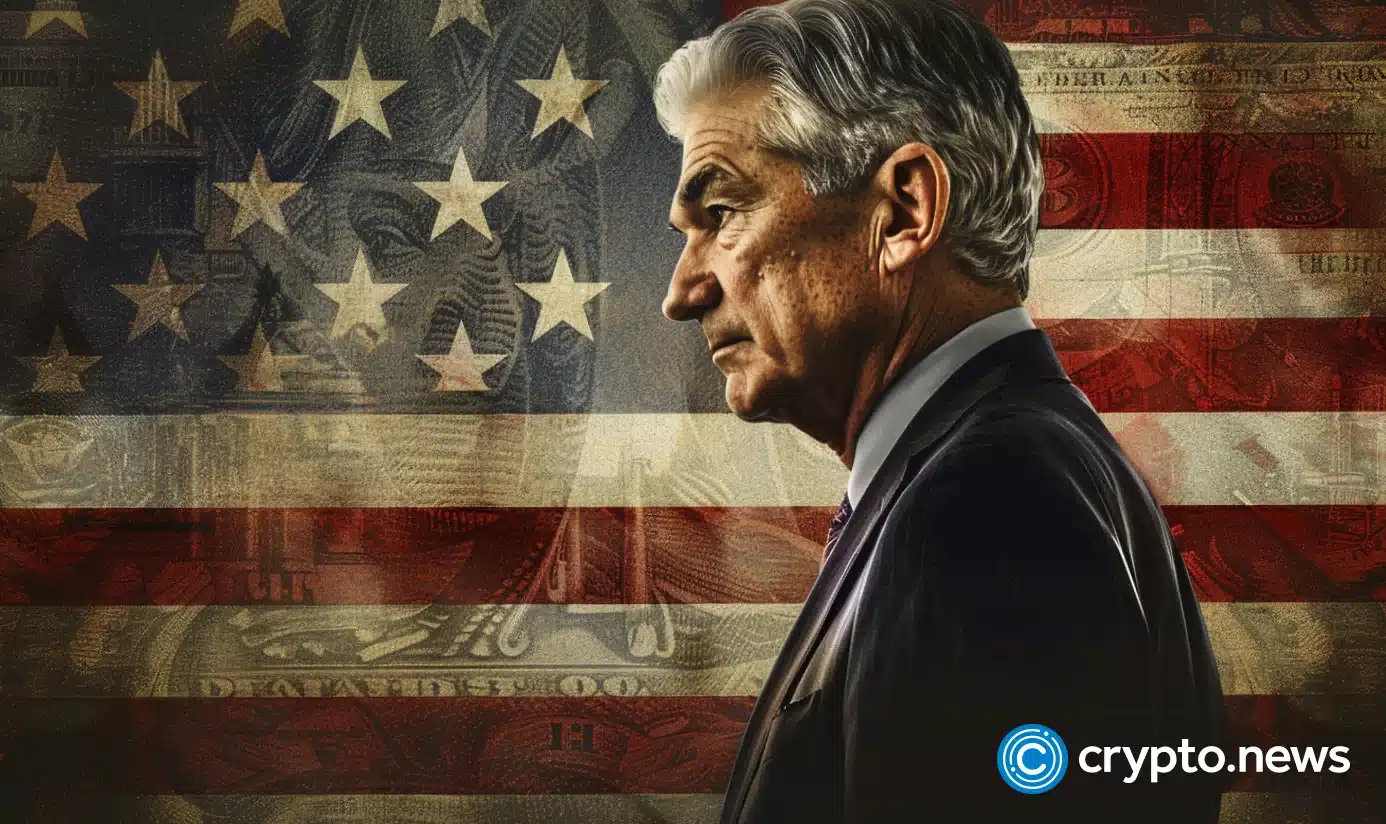
Jerome Powell has announced his intention to remain on the Federal Reserve Board of Governors beyond the end of his chairmanship on May 15, citing an ongoing criminal investigation that he says leaves him no alternative. This marks a rare move not seen since 1948 when Marriner Eccles stayed on as a governor after his term as chair ended. Powell made the statement during his final FOMC press conference, asserting that the legal challenges mounted against the Fed in recent months compel him to see matters through to a proper conclusion. He emphasized that his presence would be low-key and that he would not act as a shadow chair once Kevin Warsh assumes the role of chair following Senate confirmation.
The catalyst for Powell’s decision is a Department of Justice inquiry into the Fed’s headquarters renovation, which escalated into a criminal probe focusing on his earlier congressional testimony. Although the Washington D.C. Attorney General closed her investigation last week, she publicly noted that it could be reopened if new evidence emerges. Treasury Secretary Bessent labeled the prospect of Powell staying as a governor a significant departure from tradition, while former President Trump criticized Powell, suggesting his difficulty in finding alternative employment drives his decision to stay. The FOMC meeting itself was marked by four dissenting votes—the highest number since October 1992—with three members advocating for the removal of the easing bias and one pushing for an immediate rate reduction.
The financial markets reacted sharply to Powell’s announcement and the split vote. Bitcoin dropped from $77,000 to approximately $74,914, while Bitcoin exchange-traded funds saw net outflows of $137.77 million, breaking a nine-day inflow streak. Analysts noted that the dissenting votes effectively derailed the so-called ‘Warsh pivot’ narrative that had gained traction among investors. Matt Mena from 21Shares described the dissenters as having thrown cold water on the market’s pivot party. Bitcoin has now declined after eight of the last nine FOMC meetings, adhering to a pattern that market observers had anticipated. Powell’s governor term extends until January 2028, ensuring his vote on monetary policy will influence decisions during Warsh’s initial years as chair. The Senate is likely to vote on Warsh’s confirmation around the week of May 11.