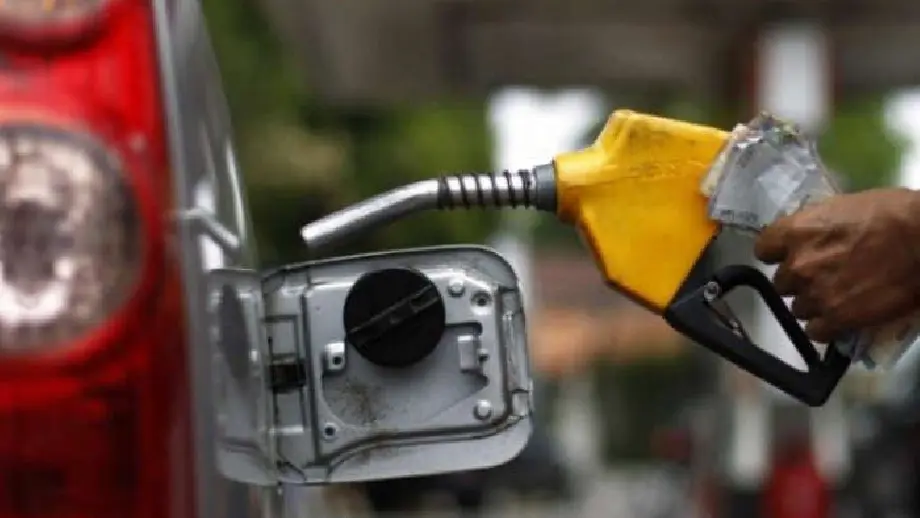
Nigerians could soon see lower petrol prices as the Nigerian National Petroleum Company Limited (NNPCL) teams up with Chinese firms to bring the Port Harcourt and Warri refineries back online. The move has sparked optimism among fuel marketers and retailers, who anticipate a competitive market that will push prices downward.
After months of speculation, NNPCL inked a Memorandum of Understanding with Sanjiang Chemical Company and Xinganchen (Fuzhou) Industrial Park Operation and Management Co., Limited on April 30, 2026. This agreement aims to finalize the rehabilitation of the long-dormant refineries, which have been offline since May 2025 for scheduled maintenance.
For years, the Port Harcourt, Warri, and Kaduna refineries have remained idle despite billions of dollars—estimated at $18 billion to $25 billion—invested in repairs over the past two decades. Meanwhile, the Dangote Refinery in Lagos has become the primary source of fuel for the country.
The recent conflict in the Middle East has exacerbated the situation, pushing global crude prices to $112 per barrel for Brent and $104 for West Texas Intermediate. Domestically, petrol costs have soared to between N1,364 and N1,380 per liter in Abuja, up from around N800, severely impacting transportation and living costs.
Billy Gillis-Harry, National President of the Petroleum Products Retail Outlets Owners Association of Nigeria (PETROAN), expressed confidence that resuming local refining would spur competition and reduce prices. “The more refined products we get from any country, the higher the competition, driving down the price of any refined product,” he said.
Chinedu Ukadike, spokesperson for the Independent Petroleum Marketers Association of Nigeria (IPMAN), highlighted the urgency of restarting local refineries and called on the government to offer incentives for both marketers and consumers. “Provide incentives for motorists and also marketers in terms of funding. At that level, marketers will reduce their prices at the pumps,” he stated.
With the MoU in place, stakeholders are hopeful that the new Chinese partnership will finally deliver on the long-awaited revival of Nigeria’s refining capacity, providing relief from the current fuel price crisis.