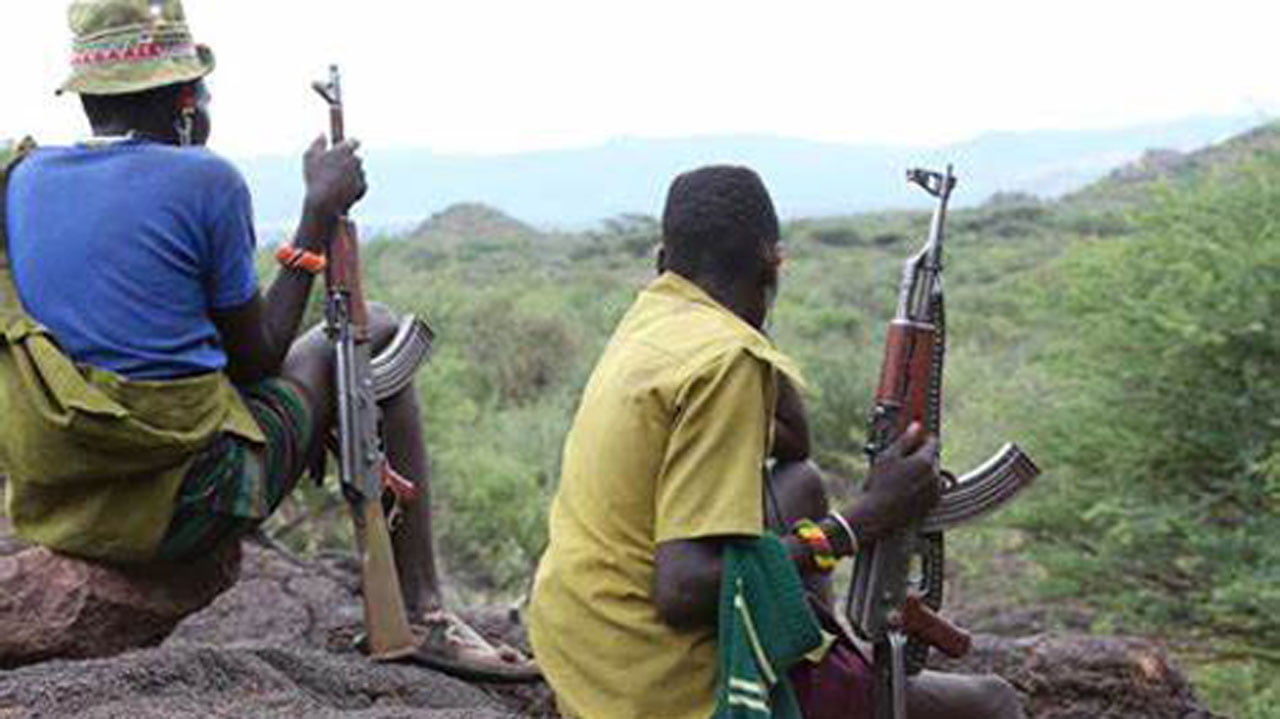
In a troubling development, armed groups loyal to the infamous bandit leader Isiya Kwashen Garwa have placed new financial demands on the Garin Lamido and Yan Shuni communities in Katsina State’s Bakori Local Government Area. Each community is being required to pay N10 million.
This renewed levy comes after several so-called peace agreements were reached between local authorities, community leaders, and representatives of the armed groups. The agreements, which were intended to bring stability, have not prevented further extortion.
The information was shared by Bakastine, a security analyst and crisis journalist, on his X account. He expressed deep concern about the ongoing vulnerability of rural inhabitants in the state, noting that the latest demand has sparked panic. Many families have already fled their homes to avoid potential violent reprisals.
Sources within the affected communities report that the demand has escalated tensions in an area already plagued by persistent insecurity and a scarce security presence. Residents have voiced frustration over what they view as a repetitive cycle of broken agreements and fresh violations, casting doubt on the real effectiveness of past peace deals.
Meanwhile, even as security operations continue in parts of Katsina, bandits are said to retain control over many rural zones. This worsens fears among farmers who need safe access to their farmland. According to Daily Post, this pattern is common across several communities in the North-West region: armed groups impose levies and then attack if their demands are not met.
Security observers caution that the continued payment of such levies only empowers the armed groups further, potentially enabling them to extend their influence to more rural settlements. Bakastine has questioned whether current security strategies are sustainable and whether there are sufficient enforcement mechanisms to safeguard vulnerable communities.