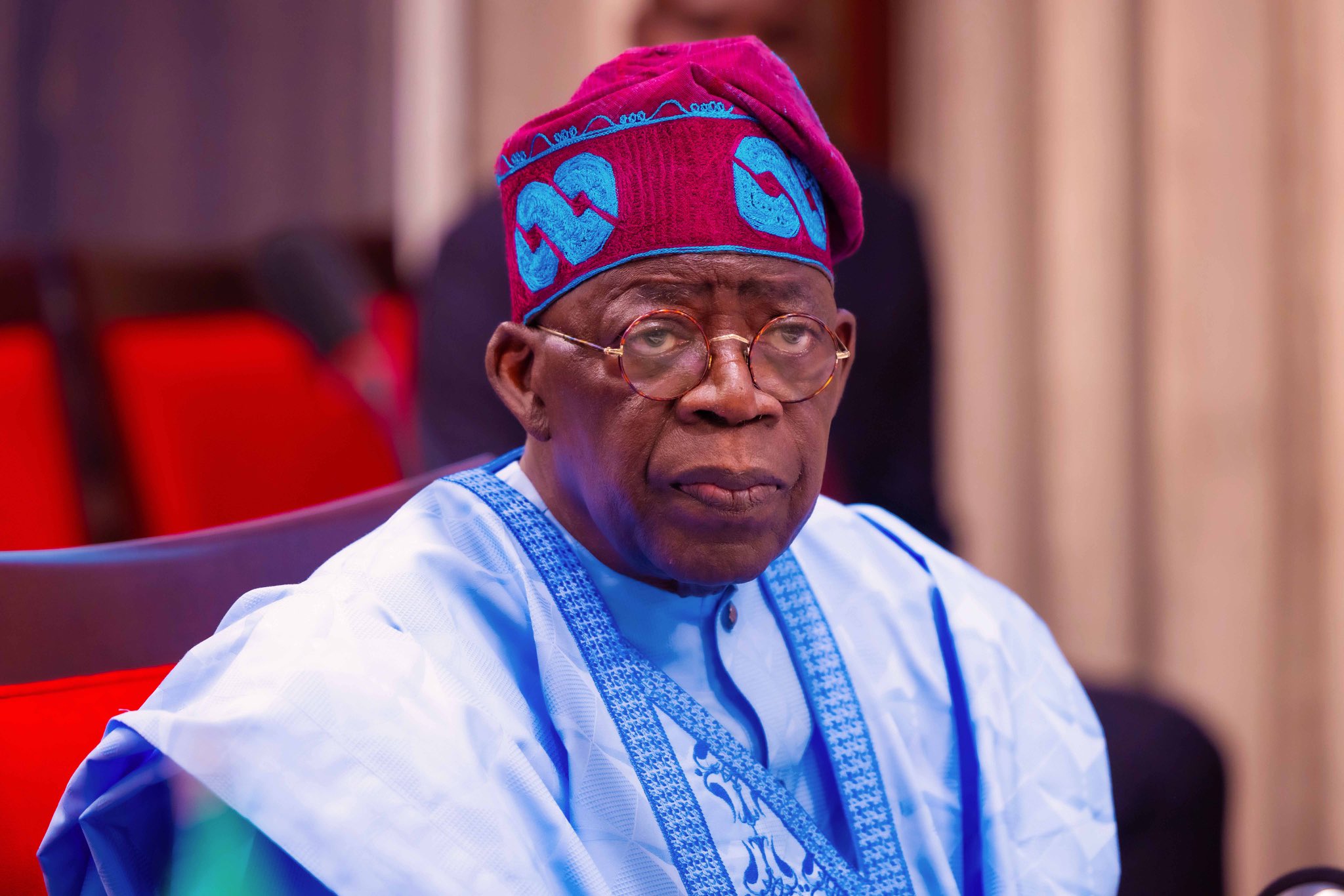
As Nigeria gears up for the 2027 presidential election, the opposition landscape has become increasingly fragmented. The recent departure of prominent figures Peter Obi and Rabiu Kwankwaso from the African Democratic Congress (ADC) has raised questions about the viability of a united front against President Bola Tinubu and the ruling All Progressives Congress (APC).
According to former Minister of Sports Solomon Dalung, the exit of Obi and Kwankwaso from the ADC was surprising and ill-advised. He argued that their move to the newly formed Nigeria Democratic Congress (NDC) weakens their chances, as they abandoned a coalition that had the potential to unseat Tinubu. Dalung believes the ADC emerges stronger from this split, retaining key support bases from former President Muhammadu Buhari and ex-Vice President Atiku Abubakar.
However, political analyst Jide Ojo offers a different perspective. He maintains that the defection is a strategic move for Obi and Kwankwaso to pursue their presidential ambitions without being overshadowed by Atiku in the ADC. Ojo notes that both politicians see 2027 as their best opportunity, given age and regional rotation considerations.
Atiku’s supporters, like Dele Momodu, criticize the focus on zoning, arguing it distracts from critical issues like insecurity and economic challenges. Momodu accuses the Tinubu administration of using zoning to divide the opposition.
Meanwhile, APC chieftain Osita Okechukwu dismissed Atiku’s opposition to zoning, calling it hypocritical given Atiku’s past benefits from the arrangement. As the election approaches, the fragmented opposition faces an uphill battle against a well-entrenched ruling party.