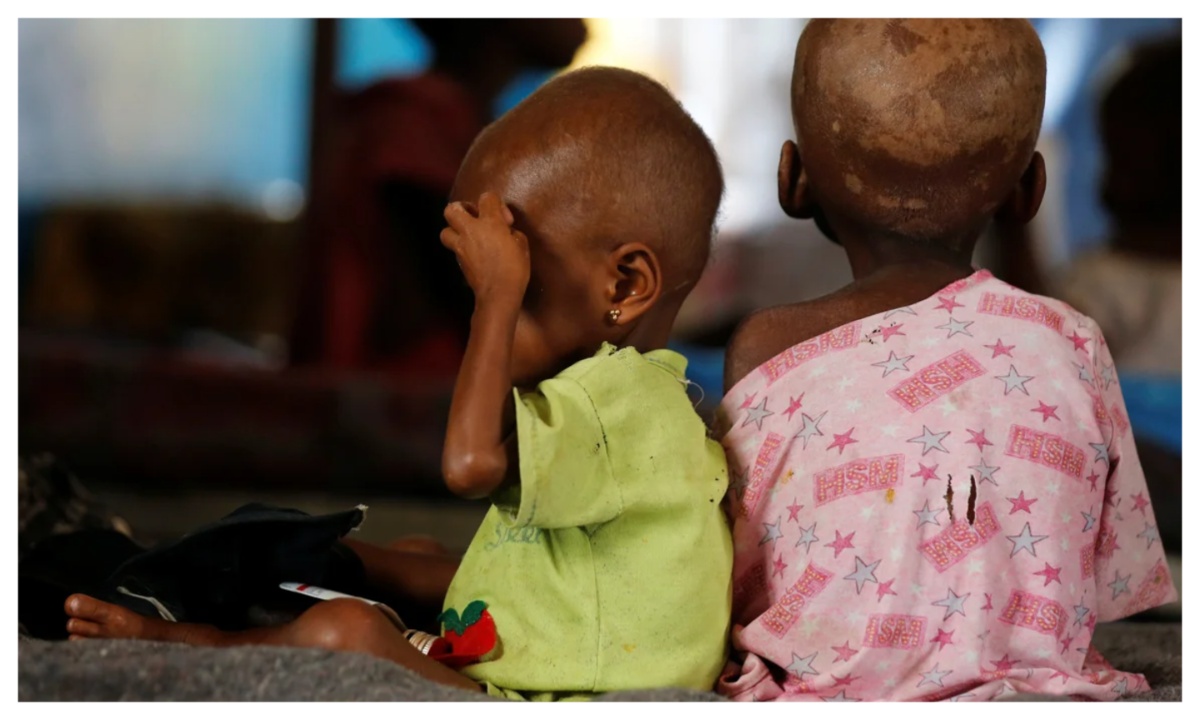
Doctors Without Borders, officially known as Médecins Sans Frontières (MSF), has highlighted severe malnutrition, repeated disease outbreaks, and ongoing maternal health struggles in Nigeria, as detailed in its 2025 Country Activity Report launched in Abuja. The organization points to rising food shortages, conflict, inflation, floods, displacement, and weak healthcare systems as key factors driving health risks for millions, particularly children and women.
During the reporting period, MSF ran regular medical initiatives across ten states—Jigawa, Kano, Katsina, Kebbi, Sokoto, Zamfara, Borno, Bauchi, Cross River, and Ebonyi—and started new operations in Kaduna. The data reveals that MSF teams treated more than 440,000 children for malnutrition in 2025, marking the highest number of admissions the group has seen in recent years. Specifically, 353,989 children with severe acute malnutrition received outpatient care, while an additional 90,723 with complications were admitted to inpatient stabilization centers supported by MSF.
Ahmed Aldikhari, MSF’s Country Representative in Nigeria, called the figures a stark indicator of the growing humanitarian crisis in northern communities. He stated that 2025 recorded the highest malnutrition admissions in the country over recent years. Aldikhari emphasized that malnutrition is closely tied to recurrent diseases like measles, malaria, diphtheria, and cholera, which spread rapidly where healthcare access is limited. The report also shows that MSF treated 341,239 malaria patients, 38,753 measles cases, 6,123 diphtheria cases, and 985 meningitis patients across various states in 2025.
MSF noted that disease outbreaks often worsen during the rainy season and continue to strain healthcare facilities, especially in underserved and conflict-ridden areas. The organization called for stronger vaccination efforts, better water and sanitation systems, enhanced disease monitoring, and timely treatment to reduce preventable deaths. On maternal health, the report highlights that Nigeria still has one of the world’s highest maternal and newborn death rates, with many women facing barriers due to insecurity, poor transport, overburdened hospitals, and weak referral networks.
In 2025, MSF assisted 33,590 deliveries, provided 119,469 antenatal consultations, and performed 224 fistula surgeries. Many women still experience severe complications from delayed emergency care, including heavy bleeding, obstructed labor, infections, and hypertension-related conditions. Aldikhari urged increased investment in primary healthcare, staffing, medical supplies, and emergency maternal services, particularly in rural and conflict-affected areas across the country.