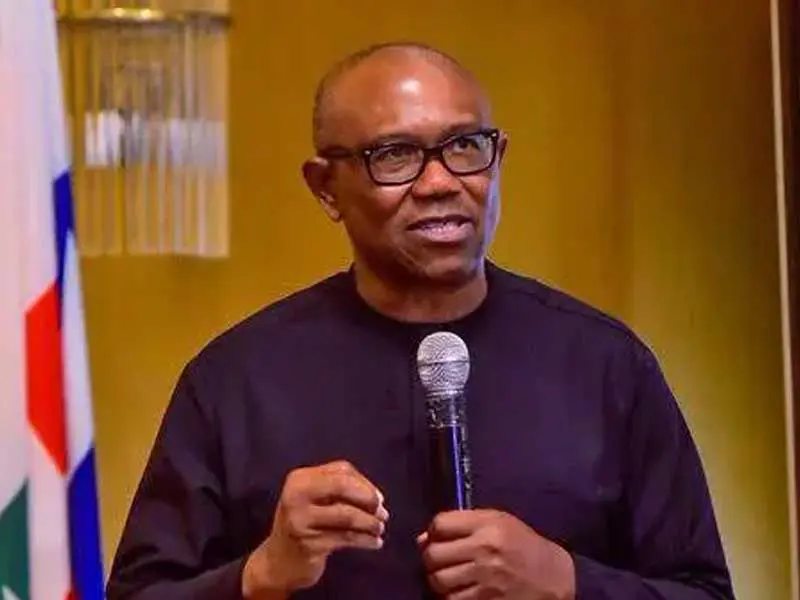
Presidential aspirant Peter Obi has voiced strong criticism against the manner in which Nigerian leaders conduct international trips, insisting that such excursions should yield concrete economic advantages instead of mere ceremonial spectacles.
In a statement posted on his X account on Saturday, Obi emphasized that diplomacy must be anchored on tangible outcomes like investments, industrial progress, technology transfer, factory expansion, trade pacts, and employment generation—not superficial tourism or fashion shows.
He argued that state visits are not opportunities for sightseeing, nor should diplomacy be reduced to a parade of attire. Every overseas journey by a government must bring measurable benefits to citizens, including capital inflow, technological know-how, commercial agreements, industrial growth, and job opportunities.
Citing an example, Obi noted that when President Trump visited China, the American contingent comprised only a handful of key officials alongside prominent business and tech leaders. This strategy resulted in billion-dollar trade deals, including orders for roughly 200 Boeing aircraft.
That, according to Obi, is how serious countries approach foreign relations—by merging diplomacy with economic expansion, manufacturing growth, innovation, and national productivity.
He expressed hope that Nigerian authorities would draw lessons from such visits and contrast them with the President’s recent trip to the United Kingdom. A large delegation of politicians, aides, and government officials accompanied the President, yet Nigerians are left wondering what was actually achieved.
Obi posed several pointed questions: What factories are coming to Nigeria? Which agreements in power, technology, manufacturing, agriculture, or industry were secured? How many direct jobs will the visit create for Nigerian youths? What investments were attracted? What measurable economic outcomes can ordinary citizens identify?
He argued that riding horses, wearing coordinated outfits, attending royal dinners, and sharing polished photographs are insufficient. Symbolism devoid of substance cannot feed a hungry population.
Obi highlighted Nigeria’s current struggles: severe insecurity, food shortages, high unemployment, a weakened naira, declining industrial output, and deepening poverty. At a time when millions battle daily to afford meals and survive economic hardship, every kobo spent on foreign trips must yield tangible national value—investments, factories, jobs, exports, infrastructure, and economic prospects.
Nigeria, he concluded, needs leadership that prioritizes productivity over optics, and measurable economic results over ceremony.