Posted on Leave a comment

David Mark Decries Rising Insecurity and Economic Hardship in Nigeria

David Mark Decries Rising Insecurity and Economic Hardship in Nigeria

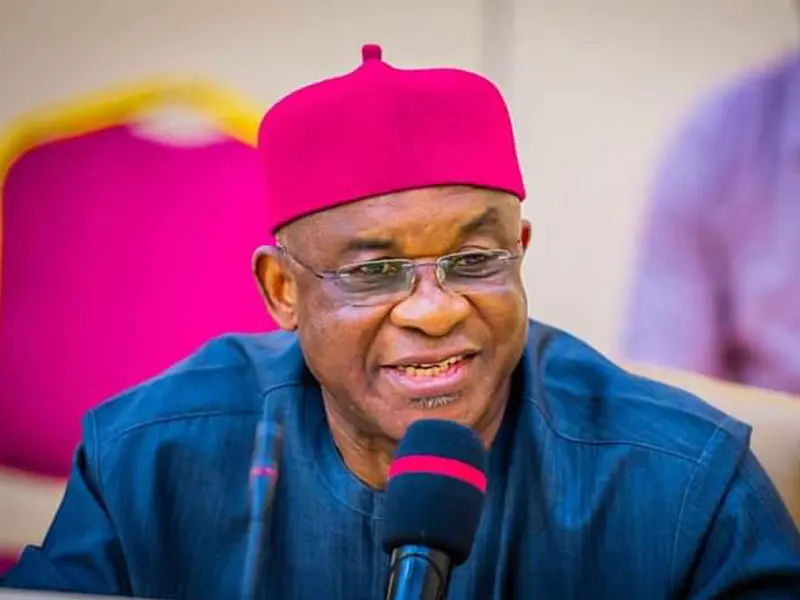
The National Chairman of the African Democratic Congress (ADC), David Mark, has voiced grave concerns over the escalating security challenges and economic difficulties plaguing Nigeria. He highlighted that millions of citizens are grappling with soaring living costs, widespread unemployment, and diminished purchasing power.

Speaking during the party’s National Executive Committee (NEC) meeting held in Abuja on Saturday, Mark emphasized that Nigeria is confronting severe security and economic crises that demand immediate attention from leaders across all tiers of government.

In his full address, Mark stated: “Distinguished members of the National Executive Committee, members of the National Working Committee, leaders and stakeholders of our great party, state chairmen, elected officials, members of the media, ladies and gentlemen.

“I warmly welcome you all to this important meeting of our party’s NEC. Today’s gathering occurs at a pivotal moment in our nation’s political and democratic journey—a time that calls for sober reflection, honest assessment, and purposeful action.

“First, I thank Almighty God for granting us the privilege to meet again in good health and unity. I also commend every committee member and the broader party structure for your dedication, sacrifice, and unwavering belief in ADC’s ideals.

“Our party continues to thrive because of your commitment and conviction that Nigeria deserves leadership founded on integrity, competence, justice, and service to the people.

“Distinguished colleagues, the task before us is immense. Nigeria today faces profound challenges. Insecurity is threatening lives and livelihoods across many regions. Communities are displaced, farmers cannot freely cultivate their lands, businesses struggle under harsh economic conditions, and millions of families endure hardship and uncertainty.

“Equally alarming is the growing economic strain on ordinary Nigerians. The rising cost of living, joblessness, diminishing purchasing power, and social unrest demand urgent and sincere attention from those in authority.

“As a responsible opposition party, ADC does not take pleasure in the nation’s difficulties nor seek political gains from the people’s suffering. Instead, we stand firmly behind every genuine effort to restore peace, security, economic stability, and national cohesion.

“We therefore urge all government levels to intensify actions to decisively tackle insecurity and implement policies that improve the quality of life for Nigerians.

“However, our meeting today is not only about reviewing national challenges. It is also about strengthening our internal democratic processes and preparing our party for future responsibilities.

“The NEC is the highest policy-making body of our party outside convention. Its decisions must reflect wisdom, fairness, transparency, and the collective interest of our party.

“We must continue building an institution that inspires confidence among Nigerians—a party that respects internal democracy, rewards loyalty, encourages participation, and upholds discipline.

“ADC must remain a home for all Nigerians seeking credible leadership and genuine democratic alternatives.

“As we prepare for future electoral contests, including the 2027 general elections, we must approach the task with unity and strategic focus. Our strength lies not in division but in unity.

“We must resist any tendency that could weaken our collective resolve. Personal ambition must never override party interest. Internal disagreements should be resolved through dialogue, mutual respect, and established party mechanisms.

“History shows that strong political parties are built on enduring values and institutions, not just personalities.

“I therefore call on all party leaders and members across the federation to close ranks and recommit to the shared vision of building a stronger, more inclusive ADC.

“Let us continue engaging our people, expanding our membership base, empowering grassroots structures, and articulating practical solutions to the problems Nigerians face.”
Posted on Leave a comment

ADC Labels El-Rufai a Prisoner of Conscience, Urges Unconditional Release

ADC Labels El-Rufai a Prisoner of Conscience, Urges Unconditional Release

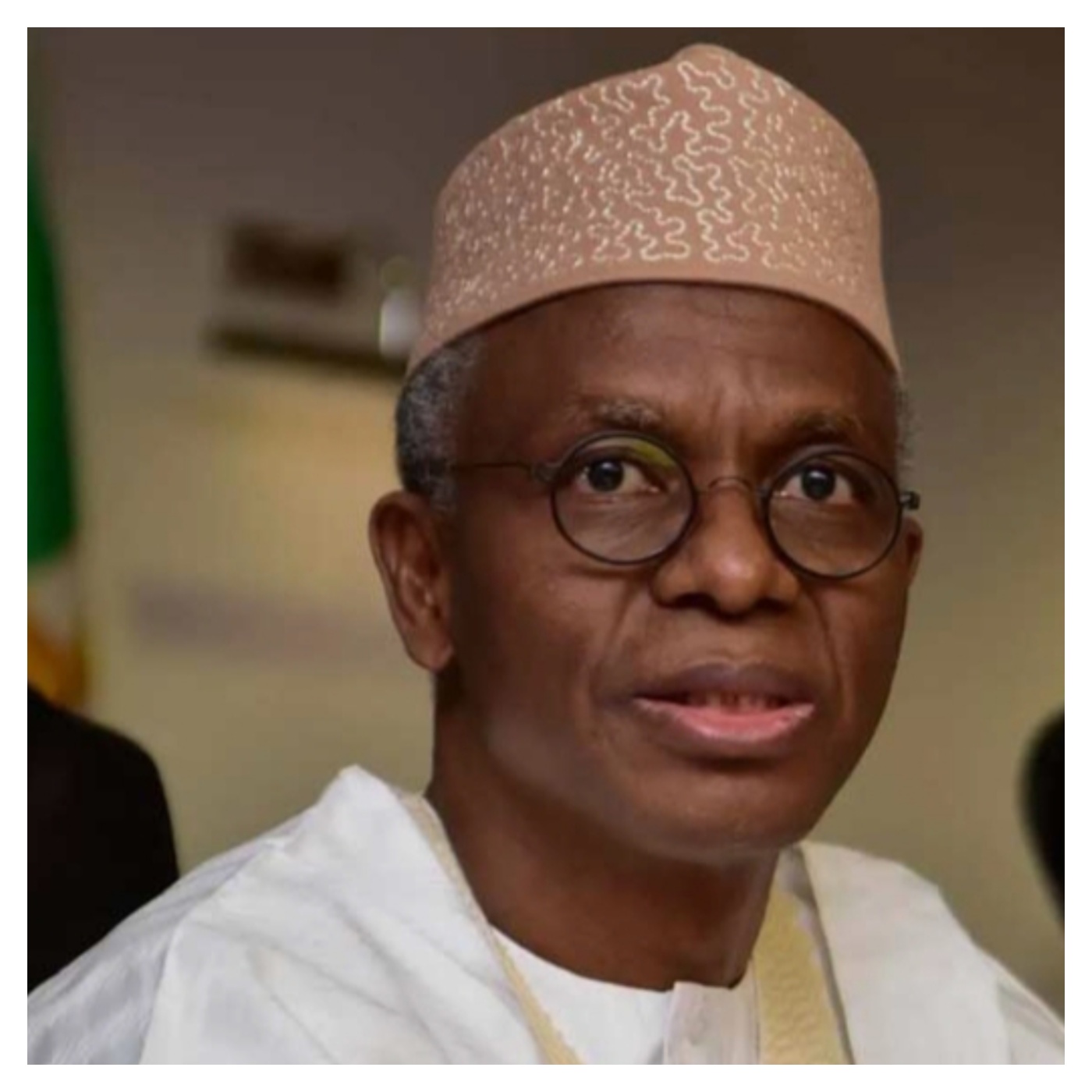
The African Democratic Congress (ADC) has officially designated former Kaduna State Governor Nasir El-Rufai as a prisoner of conscience. This declaration was made during the party’s 101st National Executive Committee (NEC) meeting, which convened in Abuja on Saturday.

In a strong statement, the opposition party called for the immediate and unconditional release of El-Rufai, who also served as Minister of the Federal Capital Territory (FCT). The ADC emphasized that his continued detention is unjust and violates fundamental human rights.

Beyond the demand for El-Rufai’s freedom, the NEC meeting approved a 12-month extension for the tenure of the National Working Committee (NWC), effective from the end of its current term. Additionally, the committee sanctioned the formation of caretaker committees at the zonal, state, local government, and ward levels, also for a 12-month period.

“We recognise former Governor of Kaduna State, Mallam Nasiru El-Rufai, as a prisoner of conscience. We are therefore calling on the authorities to release him without delay,” the ADC stated.

Posted on Leave a comment

ADC Urges FG to Improve Quality of Life for Nigerians

ADC Urges FG to Improve Quality of Life for Nigerians

The African Democratic Congress (ADC) has issued a strong appeal to the federal government, led by the All Progressives Congress (APC), to take concrete steps toward enhancing the living standards of Nigerian citizens.

During the National Executive Committee (NEC) gathering held in Abuja on Saturday, the party’s National Chairman, David Mark, delivered this call to action. He emphasized that the government must prioritize the welfare of the people by addressing critical issues such as insecurity.

Mark, a former Senate President, urged leaders and party members across the nation to set aside differences and unite behind the collective goal of building a more resilient and inclusive Nigeria. He warned against allowing personal ambitions to overshadow the broader interests of the party and the country.

“We call on all levels of government to intensify efforts in tackling the security challenges decisively and to implement policies that genuinely make life better for Nigerians,” Mark stated. “We must resist anything that weakens our collective resolve. Personal interest should never take precedence over party goals.”

He further noted that history shows strong political parties are forged not by individuals but by lasting values and institutional strength.

Posted on Leave a comment

Makinde Laments Lack of Control Over Security Agencies Amid Oyo Kidnappings

Makinde Laments Lack of Control Over Security Agencies Amid Oyo Kidnappings

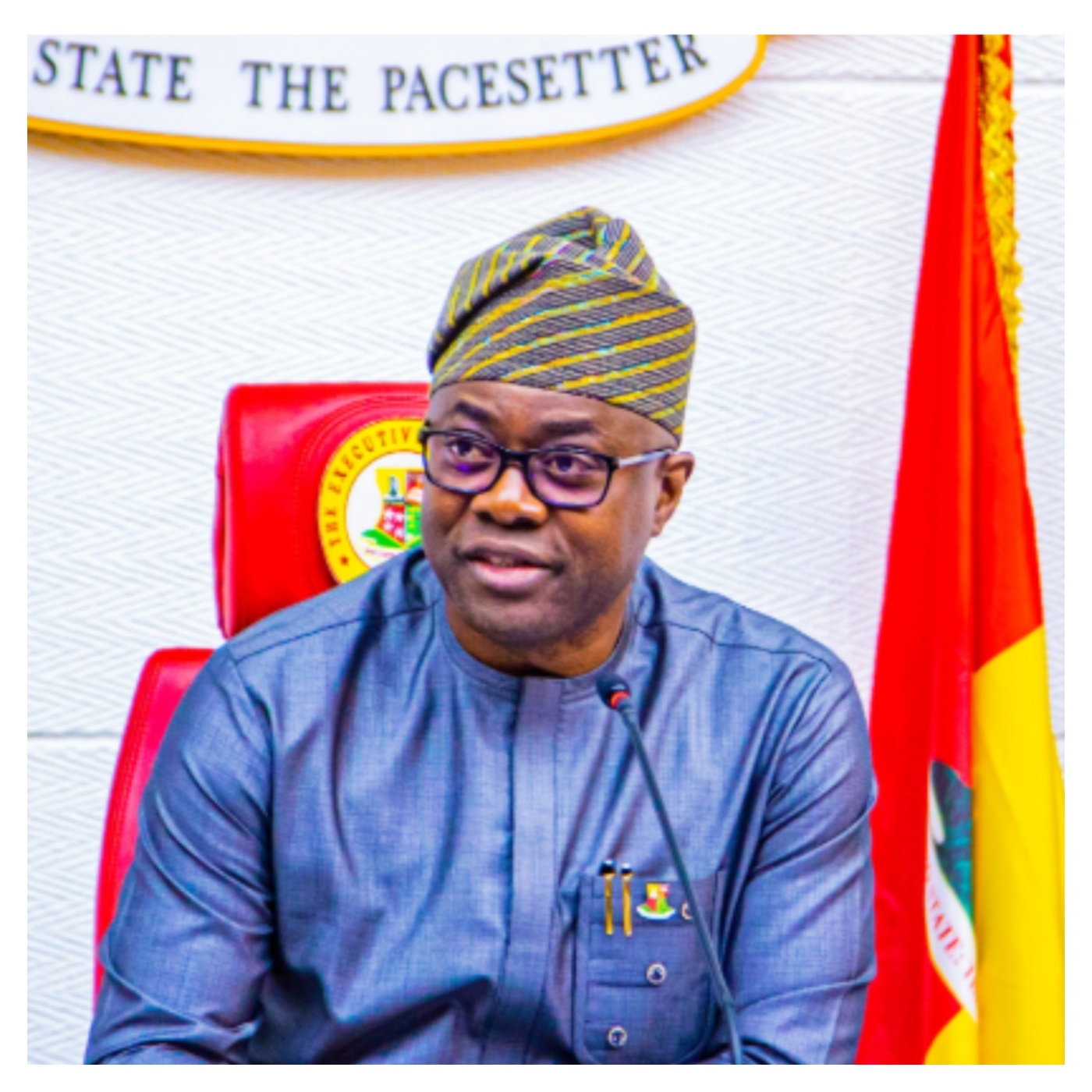
Governor Seyi Makinde of Oyo State has expressed frustration over his inability to effectively tackle the recent wave of kidnappings and other security challenges, attributing his powerlessness to the federal government’s control over security agencies. Speaking at the acceptance of his presidential nomination by the African Peoples Movement (APM) in Ibadan on Saturday, Makinde highlighted the painful reality of innocent schoolchildren and citizens remaining in captivity.

He emphasized that while he bears the title of Chief Security Officer of the state, the constitutional constraints prevent him from commanding the security apparatus needed to address these threats decisively. Makinde argued that no elected leader should be held accountable for security failures without being granted the corresponding authority to act.

The governor’s remarks come amid ongoing security concerns in Oyo, where abductions have heightened public anxiety. He reiterated that the current structure leaves state governors helpless, calling for a re-evaluation of security governance to empower local leaders.

Posted on Leave a comment

IGP Disu Approves Promotion of 17,952 Junior Police Officers Across Nigeria

IGP Disu Approves Promotion of 17,952 Junior Police Officers Across Nigeria

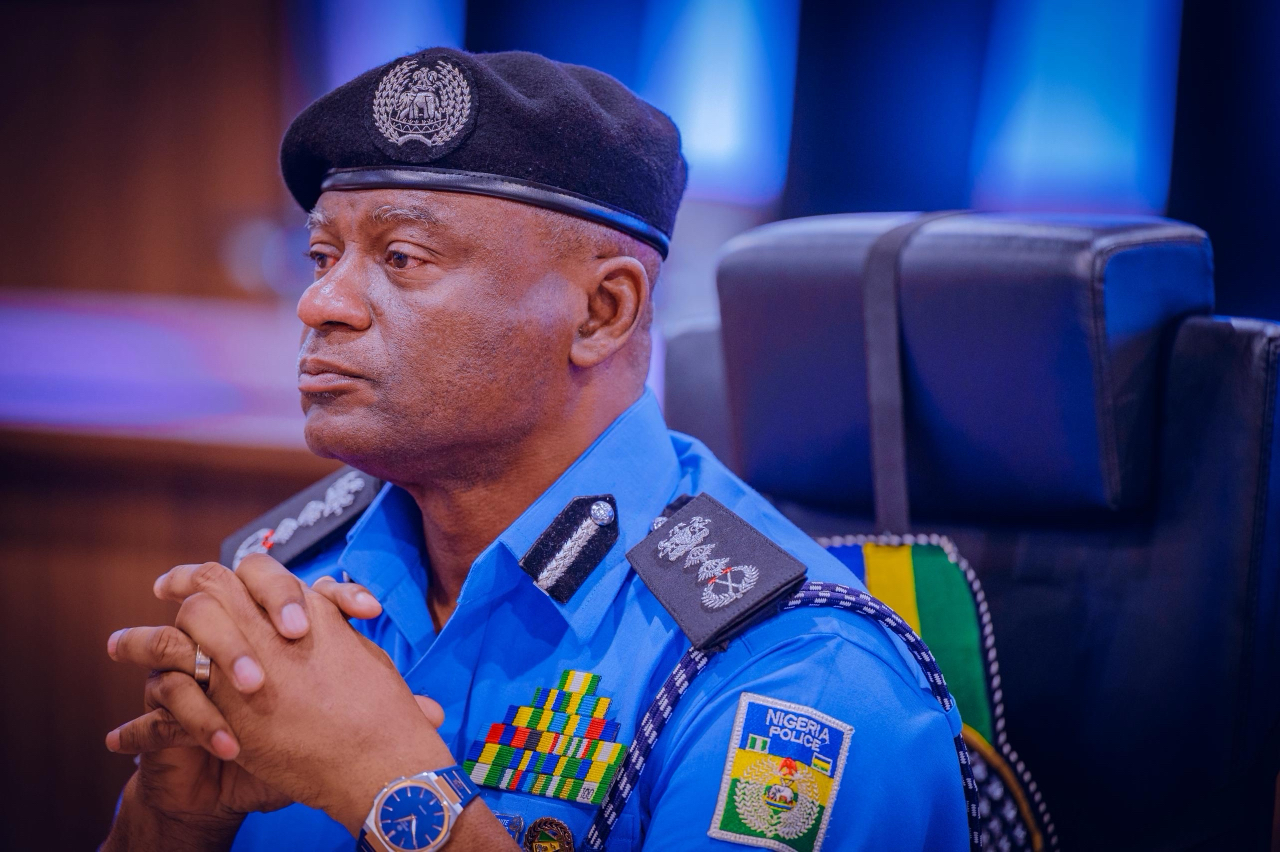
The Inspector-General of Police, IGP Olatunji Rilwan Disu, has authorized the elevation of 17,952 junior officers within the Nigeria Police Force, spanning various ranks nationwide. This massive promotion exercise is part of a broader strategy to improve staff welfare, uplift spirits, and acknowledge exceptional service, hard work, and commitment to duty.

According to a statement from DCP Anthony Okon Placid, the Force Public Relations Officer at Force Headquarters, the promotions cover multiple Commands and Formations across the country. Specifically, 165 Sergeants have been elevated to Inspectors, 73 Corporals to Sergeants, and a remarkable 17,714 Constables to Corporals.

IGP Disu emphasized that timely promotions are a critical component of the Force’s human resource management, serving as a powerful incentive for officers to stay dedicated to their constitutional responsibilities. He stressed that advancing deserving personnel underscores the current police leadership’s commitment to meritocracy, career growth, and organizational improvement.

The IGP congratulated all newly promoted officers, urging them to see their new ranks as a call to heightened accountability, professionalism, discipline, and service. He encouraged them to uphold the Nigeria Police Force’s core values, performing their duties with honesty, respect for human rights, and adherence to the rule of law.

The statement reaffirmed the Nigeria Police Force’s steadfast commitment to fostering excellence, rewarding diligence, and strengthening institutional capacity in line with global policing standards.

Posted on Leave a comment

Nigeria Police Urge Calm Amid Retaliation Fears Over South Africa Attacks

Nigeria Police Urge Calm Amid Retaliation Fears Over South Africa Attacks

The Nigeria Police Force has called for restraint as concerns mount over possible backlash following reports of xenophobic violence against Nigerians in South Africa.

In a statement released by DCP Anthony Okon Placid, the police addressed the growing anxiety among citizens and warned against any retaliatory actions targeting South African nationals, businesses, or diplomatic missions within Nigeria.

This advisory comes after a high-level security meeting held on 18 May 2026, chaired by the National Security Adviser, where intelligence agencies assessed the situation and devised strategies to manage potential threats.

The police emphasized that the federal government is actively engaging through diplomatic, intelligence, and security channels to resolve the tensions peacefully and protect Nigerian interests at home and abroad.

While acknowledging public concern for the safety of Nigerians in South Africa, the force cautioned against taking matters into one’s own hands. Acts of revenge, violence, intimidation, destruction of property, hate speech, or any behavior that disrupts public order and national security are illegal and will be met with the full force of the law.

The statement further reminded the public that Nigeria is a nation governed by the rule of law, where all legal residents, regardless of nationality, are entitled to protection. Any attempts to target South African citizens, businesses, or diplomatic facilities in Nigeria will be treated as criminal offenses.

The police also urged citizens to refrain from spreading unverified or inflammatory information, especially on social media, as such actions can escalate tensions and hinder diplomatic efforts.

In coordination with other security agencies, the police have heightened surveillance and activated security protocols around critical national assets to prevent any outbreak of violence.

Posted on Leave a comment

Mixed Reactions Greet Tinubu’s Extension of Anunobi’s Term as NLN CEO

Mixed Reactions Greet Tinubu's Extension of Anunobi's Term as NLN CEO

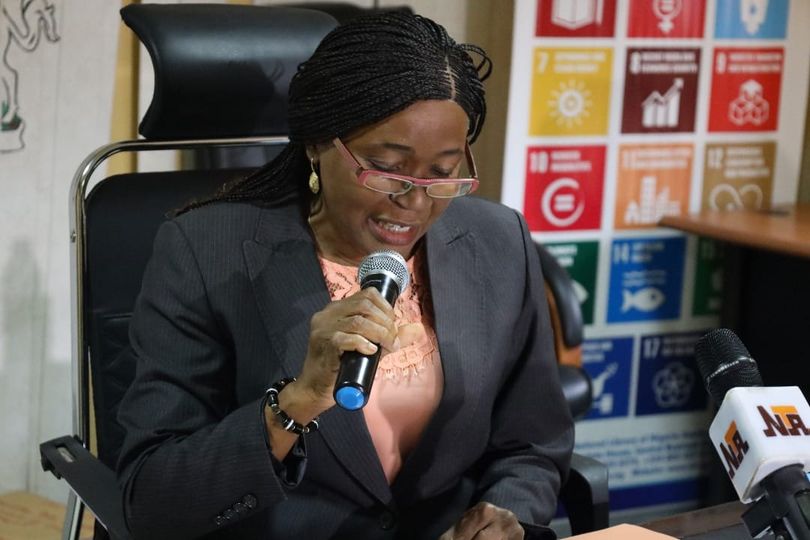
President Bola Ahmed Tinubu’s decision to grant Professor Chinwe Veronica Anunobi a final five-year term extension as chief executive officer of the National Library of Nigeria has sparked a wave of diverse opinions among stakeholders. While some have praised the move, others have expressed strong opposition.

Shehu Mustapha, the National Coordinator of the Coalition of Young Nigerian Librarians, issued a statement on Saturday commending the extension. He argued that it would guarantee continuity in ongoing reform efforts, facilitate the completion of the National Library Headquarters project, and help achieve the institution’s 2025-2030 Strategic Plan. Mustapha highlighted Anunobi’s track record as a reformer and efficient administrator, noting that since her initial appointment in 2021, she has spearheaded several key initiatives, including the creation and operation of the National Repository of Nigeria, the Newspaper and Magazine Locator, the Index and Abstract to Nigerian Newspapers, and the National Virtual Library of Nigeria. He urged the government to maintain focused leadership across the literary and education sectors.

However, not all reactions have been favorable. Critics of the extension argue that it undermines opportunities for new leadership and fresh perspectives within the National Library. The mixed responses underscore the polarized views surrounding the president’s decision.

Posted on Leave a comment

Ogun ROMO Chairman Refutes Threat Allegations Against APC Ward Secretary

Ogun ROMO Chairman Refutes Threat Allegations Against APC Ward Secretary

The Chairman of the Riders and Owners of Motorcycles Organisation (ROMO) in Ogun State, Rasaq Shotayo, also known as ‘Sholebo,’ has strongly denied claims that he threatened the life of the All Progressives Congress (APC) Ward Secretary in Iju, Aleshinloye Owolabi, during the party’s recent presidential primary.

In a statement released on Saturday, Shotayo labeled the allegations as baseless and a twisted version of his remarks at a ward meeting. He argued that a viral video had been edited to misrepresent his intentions.

Shotayo, a key stakeholder and loyal APC member, clarified that his comments were driven by worry over the ward’s sluggish political progress, which he linked to the secretary’s poor engagement. He emphasized that his aim was to highlight issues hindering the ward’s growth due to inadequate coordination and weak leadership.

The ROMO leader noted that he was simply voicing the frustrations of APC members in Iju Ward, who have lost faith in the secretary because of his frequent absence from party duties and failure to attend important events, including the just-concluded primaries.

‘My intervention came from a place of care for our party’s well-being in Iju Ward. I never threatened anyone, directly or indirectly. The circulating video lacks the full context of what I said,’ Shotayo asserted.

He added: ‘Ward members have often complained about the secretary’s non-participation in party activities and his absence during crucial moments like the primaries.’

Shotayo firmly denied issuing any threat, calling the insinuations politically driven and completely unfounded. He reaffirmed his identity as a law-abiding and peaceful citizen who has never supported violence, stating that his political actions always follow due process and respect for party structures.

‘At no time did I use violence or make threats. My words were political, constructive, and meant to strengthen our party, not weaken it. I am not afraid, and I have nothing to hide. I welcome security agencies to investigate this matter thoroughly so the truth comes out,’ the statement concluded.

He urged party members and the public to ignore what he described as a deliberate smear campaign, reiterating his dedication to peace, unity, and the APC’s advancement in Ogun State.

Posted on Leave a comment

New Commander Appointed for 35 Artillery Brigade

New Commander Appointed for 35 Artillery Brigade

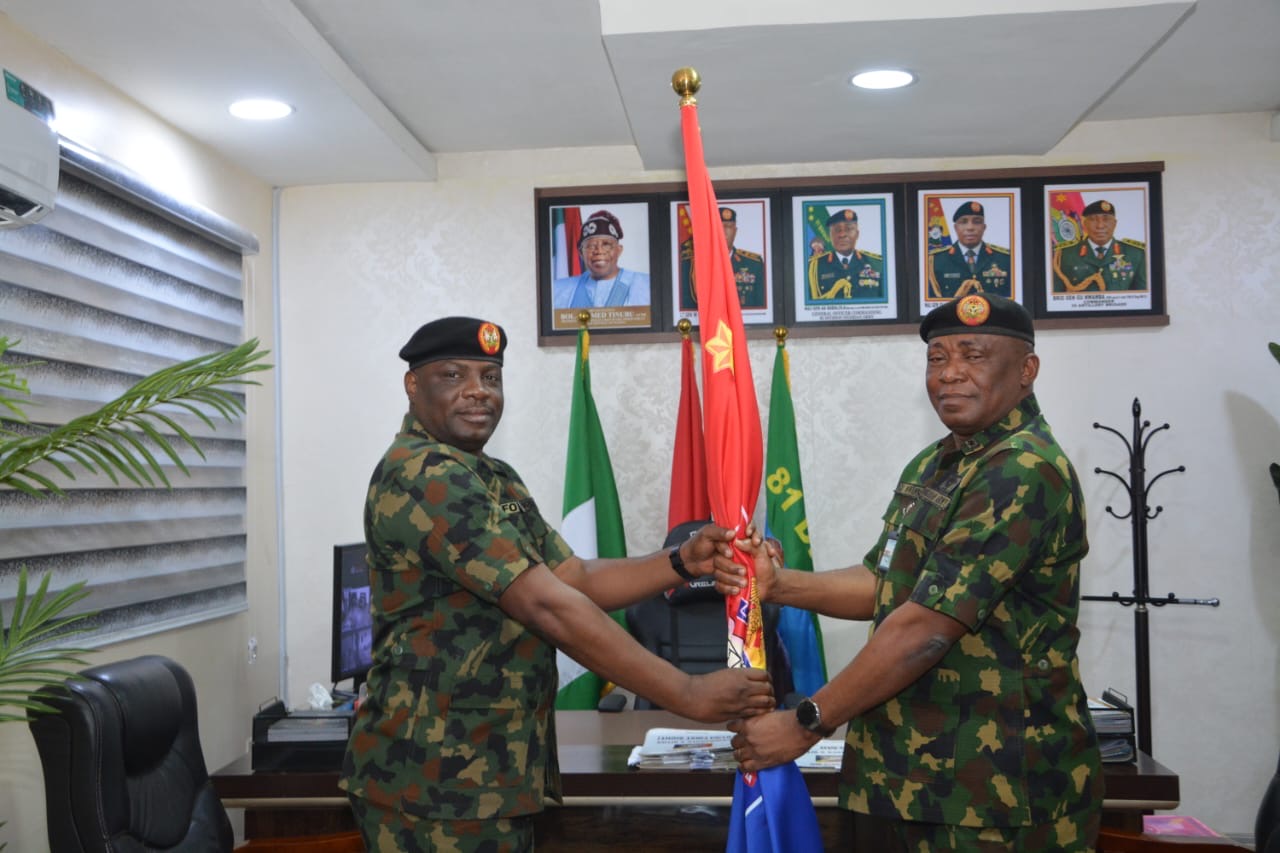
The 35 Artillery Brigade, part of the Nigerian Army’s 81 Division, has undergone a leadership transition. Brigadier General Friday Onu now commands the unit, having officially assumed his new role on Friday.

Brigadier General Onu becomes the 14th commander of the brigade, succeeding Brigadier General Godwin Nwamba. As part of the change, Nwamba has been reassigned to the Army Headquarters Department of Civil-Military Affairs, where he will serve as the Acting Deputy Chief of Civil-Military Affairs, with a focus on psychological operations.

During a formal ceremony at the brigade’s headquarters in Alamala Barracks, Abeokuta, Ogun State, the outgoing commander expressed appreciation to the officers and soldiers for their support. He encouraged them to offer the same level of cooperation to the new commander, highlighting the value of their operational knowledge.

The incoming commander acknowledged his predecessor’s achievements and congratulated him on his new position. He called on all personnel to remain dedicated, uphold professionalism, and prioritize the welfare of soldiers. He stressed the importance of teamwork and commitment to advancing the brigade’s mission.

Posted on Leave a comment

Obla Unpacks Idoma’s 50-Year Governorship Drought in Benue

Obla Unpacks Idoma's 50-Year Governorship Drought in Benue

Godwin Obla, a Senior Advocate of Nigeria and the founder of the Godwin Obla Foundation, has shed light on why the Idoma ethnic group has never produced a governor in Benue State since its establishment in 1976. He pointed to a lack of demographic strength and persistent internal divisions among Idoma political leaders as the primary reasons.

During a centenary lecture titled “The Political Choices of the Idoma People Since 1950: Context, Consequences, and the Path Forward,” delivered at the Idoma Centenary Plus Celebration in Otukpo, Obla noted that although the Idoma are the second-largest ethnic group in Benue, they have been shut out of the state’s top political office for nearly five decades.

“Since 1976, no Idoma individual has been elected governor. For fifty years, the second-largest ethnic group has not occupied the Government House in Makurdi,” Obla stated. He explained that the state’s political structure disadvantages the Idoma and Igede people numerically, with Zones A and B, predominantly Tiv, controlling 14 local government areas, while Zone C, which is largely Idoma and Igede, has only nine. “The arithmetic is straightforward and merciless,” he added, noting that under a majoritarian electoral system, the Tiv majority has consistently retained the governorship.

However, Obla argued that demographics alone do not tell the full story. He emphasized that internal fragmentation among Idoma political elites has repeatedly undermined their chances. “Time and again, when the opportunity for an Idoma governorship emerges, the elite fracture along personal rivalries, generational divides, and competing ambitions,” he said. Instead of uniting behind a consensus candidate, multiple aspirants often emerge, splitting the Idoma vote and weakening their bargaining power. This pattern of disunity, Obla lamented, has been a recurring theme since the early days of political organization in Idomaland.

He also criticized the failure of successive Idoma political leaders to translate national influence into local development. While acknowledging that Idoma sons have held high national positions, including Senate President, federal ministers, military governors, and diplomats, Obla pointed out that many communities in Idomaland still suffer from poor infrastructure, insecurity, and underdevelopment. “National political prominence, however impressive, is not a substitute for local development,” he stressed.

To address these challenges, Obla called for the creation of a permanent, non-partisan Idoma Political Consultative Forum to build consensus before elections and prevent the divisions that have hindered the community’s political ambitions. He urged the Idoma people to invest more in voter education, grassroots mobilization, and cross-ethnic political alliances that can attract support beyond Zone C. According to Obla, an Idoma governor can only emerge through strategic coalition-building and a development agenda that appeals to the entire state.

Describing the Idoma Centenary Plus Celebration as a moment for self-reflection and political renewal, Obla encouraged the younger generation to take an active role in shaping the future of the Idoma people. He concluded that the next phase of Idoma political history should be defined by unity, strategic planning, and collective action rather than internal rivalry and missed opportunities.