Posted on Leave a comment

Court Adjourns Malami’s N8.7bn Fraud Trial to June 23

Court Adjourns Malami's N8.7bn Fraud Trial to June 23

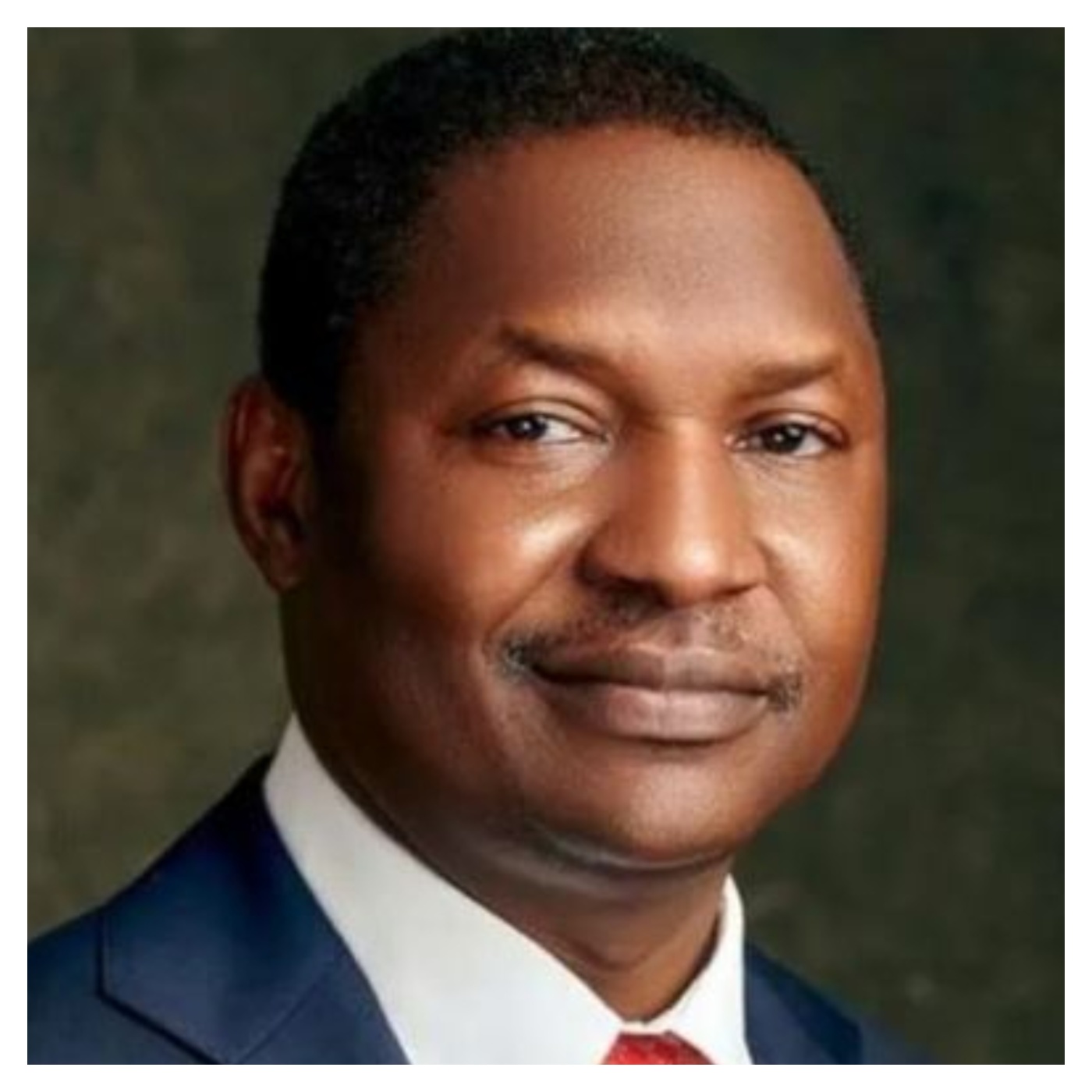
The Federal High Court in Abuja has postponed the hearing of the alleged N8.7 billion money laundering case against former Attorney General Abubakar Malami, his wife Hajia Bashir Asabe, and his son Abubakar Abdulaziz Malami until June 23, 2026. The decision was made on Friday after the defense requested an adjournment, which the prosecution did not oppose, though they noted the prior delays caused by the defense.

The trio face a 16-count charge brought by the Economic and Financial Crimes Commission (EFCC), including conspiracy, procurement fraud, concealment, and laundering of proceeds from unlawful activities totaling N8,713,923,759.49, in violation of the Money Laundering (Prevention and Prohibition) Act, 2022.

During the session, prosecution counsel J.S. Okutepa (SAN) stated that the case was set for trial, but the defense had filed a letter seeking a postponement. While the prosecution did not object, Okutepa urged the court to consider the number of previous adjournments granted at the defense’s request.

In her ruling, Justice Joyce Abdulmalik acknowledged that the lead defense counsel was absent but noted that other lawyers from the firm were present and could have proceeded. However, she granted the adjournment in the interest of fair hearing, emphasizing that the defense still had adjournment allowances remaining. The case is now scheduled to continue on June 23, 2026.

Posted on Leave a comment

Governor Abiodun Names Olanrewaju Saka as New Ogun Head of Service

Governor Abiodun Names Olanrewaju Saka as New Ogun Head of Service

In a significant development for Ogun State’s public administration, Governor Dapo Abiodun has officially announced the appointment of Mr. Olanrewaju Iskeel Saka as the next Head of the Public Service. This decision comes following the mandatory retirement of the former Head of Service, Mr. Kehinde Onasanya.

Before this elevation, Mr. Saka held the position of Permanent Secretary in the Bureau of Cabinet and Special Services. His career in the state’s civil service began on May 15, 1993, when he started as a classroom teacher at Grade Level 08. He later transitioned to the mainstream civil service in 2006, taking up the role of Senior Administrative Officer at Grade Level 09.

Born on February 15, 1968, Mr. Saka is widely recognized as a seasoned administrator with a strong background in policy coordination and implementation. His professional affiliations include membership in the National Institute for Policy and Strategic Studies, the Chartered Institute of Personnel Management, and he is also a Fellow of the Institute of Policy Management Development.

According to a statement released by the Secretary to the State Government, Mr. Tokunbo Talabi, the appointment is a testament to Mr. Saka’s diligence, unwavering commitment, and exemplary service to the Ogun State Public Service. The governor’s approval underscores a recognition of his hard work and dedication over the years.

Posted on Leave a comment

ADC Reps Candidate Ambushed by Gunmen in Benue

ADC Reps Candidate Ambushed by Gunmen in Benue

In a harrowing incident on Thursday, Innocent Omudu, the African Democratic Congress (ADC) candidate for the Otukpo/Ohimini Federal Constituency in Benue State, narrowly escaped an assassination attempt when heavily armed assailants targeted his motorcade. The attack unfolded as Omudu and his team were journeying back to Otukpo following the party’s primary election, where he was unanimously chosen as the consensus candidate and ADC flag bearer for the 2027 general elections.

According to reports, the gunmen unleashed a barrage of gunfire on the convoy along the Onyagede-Ugboju road, resulting in damage to several vehicles and injuries to multiple individuals. Despite the intense shooting, Omudu confirmed that no fatalities occurred among his team, though some members sustained varying degrees of injuries. He expressed gratitude that no lives were lost, describing the ordeal as a terrifying experience from which divine intervention ensured their survival.

Omudu commended the bravery of police officers from the Idekpa Division in Ohimini, who stood their ground and successfully repelled the attackers. He also extended appreciation to local vigilantes who collaborated with security forces to thwart what could have escalated into a deadly assault. Additionally, he thanked the ADC leadership and members in the constituency for their confidence in him following his emergence as the party’s candidate.

Earlier, the party’s leadership in the constituency had unanimously adopted Omudu after his sole challenger withdrew from the race, paving the way for his candidacy.

Posted on Leave a comment

Ebonyi 2027: ADC Governorship Ticket Goes to Oriji Tobias Nnabuike

Ebonyi 2027: ADC Governorship Ticket Goes to Oriji Tobias Nnabuike

The African Democratic Congress (ADC) in Ebonyi State has officially selected Mr. Oriji Tobias Nnabuike as its governorship flag bearer for the 2027 general elections. Mr. Bassie Umoke, the Coordinator of Electoral Matters and State Returning Officer, made the announcement after the primary election held at the party’s state office on Old Enugu Road in Abakaliki, the state capital.

According to Mr. Umoke, Nnabuike garnered 6,400 votes in the contest, which took place across all 171 wards in Ebonyi. A total of 6,730 party members were accredited for the exercise, and 6,400 delegates ultimately cast their ballots. The voting process was carried out at the ward level, following guidelines from the party’s national leadership.

The returning officer explained that the results were first compiled at ward-level collation centers before being transferred to constituency centers, then to local government centers, and finally to the state collation center for the official declaration. He noted that this thorough process accounted for the time required to finalize the outcome.

To enhance transparency and credibility, the ADC adopted an electronic membership register for the primaries. Mr. Umoke emphasized that this system eliminated common irregularities seen in conventional party primaries and made all figures verifiable. “We aim to change the narrative and make Nigeria workable. Every registered member automatically becomes a delegate for congresses and primaries, and what you see here is fully verifiable,” he stated.

The Ebonyi State Chairman of ADC, Dr. Jennifer Adibe, praised the peaceful and transparent nature of the primary elections. She confirmed that the party has also produced candidates for the State House of Assembly, House of Representatives, and Senate seats ahead of the 2027 polls. For positions with multiple aspirants, direct primaries were conducted, while others were settled through consensus.

Dr. Adibe dismissed any concerns about insecurity during the exercise, noting that security agencies, including the Nigeria Police Force and the Department of State Services (DSS), monitored the proceedings across the state. She expressed optimism that the ADC would emerge as a formidable force capable of challenging dominant parties in Ebonyi in the upcoming elections.

The Chairman of the Ebonyi State Primary Election Committee, Dr. Pascale Okafor, commended party members for maintaining order throughout the primaries. He described the exercise as peaceful and in strict compliance with the Electoral Act. Similarly, the Deputy National Auditor of ADC and Secretary of the Electoral Committee in Ebonyi, Princess Nneka Nnebu, applauded the turnout and noted that no major challenges were recorded.

Posted on Leave a comment

Governance Dispute Threatens Cardano Science Brand as ADA Faces Volatility

Governance Dispute Threatens Cardano Science Brand as ADA Faces Volatility

A heated governance battle is unfolding on the Cardano blockchain, with a staggering 81% of active stake voting against a proposal to allocate 32.9 million ADA for another year of research funding for Input Output Global. The proposal, which aims to sustain IOG’s core research lab, faces fierce opposition led by Japanese delegated representatives who demand stricter milestones and transparent audits.

Charles Hoskinson, Cardano’s founder, defended the proposal as vital to the ecosystem’s identity. “This isn’t about me personally; it’s about the very foundation of our network. Cardano has always been the science coin, and that’s our unique brand,” he stated in a recent livestream. He warned that rejecting the funding could drive away top scientists, jeopardizing the peer-reviewed research model that sets Cardano apart.

The controversy erupted despite Cardano reaching a new milestone of 121 million transactions processed over eight years of continuous operation. However, the market backdrop is grim, with ADA trading around $0.25—down roughly 60% in the past 200 days. This price slump adds urgency to the governance dispute, as community members question the efficiency of treasury spending.

Several delegated representatives are pushing for alternative funding mechanisms, such as open request-for-proposal bids, instead of automatically renewing IOG’s budget. They argue that the proposal lacks specific, time-bound deliverables, reflecting a broader tension in Cardano’s Voltaire governance era between institutional continuity and community-driven accountability.

The voting window remains open until June 8. If the proposal fails, Cardano could lose its primary academic development engine, upending the peer-reviewed approach that has defined its journey. This crisis underscores the growing pains of decentralized decision-making as Cardano navigates its commercial phase while trying to maintain its scientific rigor.

Posted on Leave a comment

Harbor Capital Unveils Lab ETFs Focused on Anthropic, OpenAI, and xAI

Harbor Capital Unveils Lab ETFs Focused on Anthropic, OpenAI, and xAI

Investment firm Harbor Capital has taken a novel approach to artificial intelligence investing by filing for five actively managed exchange-traded funds, each designed to target the ecosystem surrounding a specific AI lab. The proposed funds would concentrate on Anthropic, Google DeepMind, Meta, OpenAI, and xAI SpaceXAI, representing a granular strategy that moves beyond broad AI themes. According to a regulatory filing with the Securities and Exchange Commission, these Lab ETFs aim to hold publicly traded companies that have significant revenue ties, strategic partnerships, or product dependencies on the respective lab’s models and tools.

This move follows earlier attempts to gain indirect exposure to private AI firms through secondary market stakes and special purpose vehicles. For instance, KraneShares’ Artificial Intelligence and Technology ETF already provides some exposure to Anthropic and SpaceX. However, Harbor’s approach is distinct in its lab-specific focus, effectively creating a family of funds that allow investors to bet on the success of individual AI ecosystems. The filing was highlighted by Bloomberg ETF analyst James Seyffart, who noted that the funds would target companies aligned with each lab’s technology stack and distribution channels.

The timing of these filings coincides with heightened regulatory and geopolitical attention on frontier AI developers. Reports from the Financial Times indicate that major labs, including Google DeepMind, OpenAI, and xAI, have agreed to allow US authorities to conduct national security reviews of their most advanced models before release. This underscores the systemic importance and concentration of these labs. Additionally, former OpenAI staff have flagged concerns about xAI’s safety record, suggesting potential risks for investors in SpaceX’s anticipated IPO, which is valued at around $75 billion.

For crypto market participants, Harbor’s Lab ETFs mirror the evolution of digital asset investments. Similar to how Bitcoin and Ethereum exchange-traded products provided traditional investors with liquid exposure to formerly opaque assets, these AI-focused funds channel retail and institutional capital into narrow technology theses. As seen with crypto, once an ETF wrapper exists, narratives and flows can become self-reinforcing, influenced by index inclusions and passive buying. This could create a feedback loop that funnels more capital toward the dominant lab in each narrative cycle, further entrenching a handful of key players.

The segmentation of AI risk into lab-specific buckets may also introduce new correlation dynamics for digital assets. Traders might increasingly factor in how shocks to a given lab—such as a safety scandal, a national security block, or an IPO surge—impact AI-related tokens and the broader crypto infrastructure that relies on these models. As the financialization of AI accelerates alongside that of crypto, Harbor’s Lab ETFs represent a notable step in rendering specialized AI exposures accessible through liquid, listed instruments.

Posted on Leave a comment

Tom Emmer Calls Law Enforcement Concerns Over Clarity Act Unfounded

Tom Emmer Calls Law Enforcement Concerns Over Clarity Act Unfounded

Congressman Tom Emmer has pushed back against objections raised by law enforcement regarding the Clarity Act, describing them as exaggerated and a tactic to hinder the bill’s advancement. He referred to these worries as a “red herring” intended to stall the legislative process.

Emmer strongly advocated for the Blockchain Regulatory Certainty Act, which aims to protect noncustodial software developers from being classified as money transmitters. He emphasized that the U.S. needs clear guidelines to prevent innovation from moving overseas.

The House Majority Whip highlighted the Senate Banking Committee’s 15-9 vote in favor of the bill as proof that support extends beyond party lines. He noted that the Clarity Act represents years of refinement in crypto market structure legislation.

Emmer also criticized former SEC Chair Gary Gensler’s enforcement-heavy strategy under the previous administration, arguing that companies require clear rules before investing in the U.S. market. He stressed that the legislation provides much-needed distinctions between securities, commodities, and cash equivalents.

The bill still faces challenges, including unresolved issues related to stablecoin yields, DeFi oversight, and ethics rules for lawmakers. Galaxy Digital estimates its passage odds at around 50-50 for 2026, while Polymarket traders place it at approximately 46%, a drop from earlier in the year.

Posted on Leave a comment

Kalshi-Backed Advocacy Group Emerges with Ex-Trump Staffer Support

Kalshi-Backed Advocacy Group Emerges with Ex-Trump Staffer Support

A fresh advocacy organization named Americans for Fair Markets has been established with backing from Kalshi, aiming to influence federal regulations surrounding prediction markets and government-sanctioned exchange platforms. The group, which debuted on May 22, intends to run media and educational initiatives to challenge what it views as misleading claims spread by gambling industry entities.

AFM has appointed Taylor Budowich, previously serving as Deputy White House Chief of Staff under Susie Wiles during the Trump administration, as its strategic advisor. This move underscores Kalshi’s growing connections within Republican political circles as the prediction market sector faces heightened oversight from regulators.

The formation of AFM comes as the gaming lobby intensifies its own efforts. FairPredicts, an organization funded by casino operators and spearheaded by former Governor Chris Christie through the American Gaming Association, has launched a substantial advertising campaign directly targeting Kalshi.

According to John Bivona, an AFM board member and Kalshi’s Head of Government Relations, the group is prepared to match or exceed the spending and organization of established interests seeking to protect their market dominance. AFM is expected to join the existing Coalition for Prediction Markets while emphasizing campaign-oriented strategies.

Kalshi has experienced a 32-fold increase in annualized trading volume, and the broader prediction market industry now encompasses approximately $500 billion in assets. The regulatory environment is evolving rapidly, with the bipartisan Gillibrand-McCormick bill being introduced earlier this month as the first comprehensive federal framework for prediction markets. The Commodity Futures Trading Commission is also engaged in a rulemaking process likely to enhance consumer protections.

Earlier, Kalshi secured data partnerships with mainstream media outlets like Fox and CNN, integrating real-time prediction odds into their coverage. Prediction markets are increasingly moving toward institutional adoption, as highlighted by Bernstein’s analysis of Kalshi’s first bespoke block trade. The company has also explored crypto perpetual futures in prior months.

Posted on Leave a comment

Fed Governor Waller Signals Rate Hikes Possible as Inflation Persists, Risk Assets Slide

Fed Governor Waller Signals Rate Hikes Possible as Inflation Persists, Risk Assets Slide

Federal Reserve Governor Christopher Waller has delivered a stark warning that persistently high inflation and surging energy costs now outweigh labor market concerns, putting interest rate hikes back on the table. In a speech that surprised many market participants, Waller noted that the April consumer price index rose 3.8% year-over-year, while energy prices surged 17.9% due to geopolitical tensions in the Middle East. He emphasized that core PCE inflation, the Fed’s preferred gauge, has climbed to 3.3%, its highest level in over two years, while the unemployment rate remains stable at 4.3% and GDP growth holds near 2%.

Waller argued that the balance of risks has shifted away from the labor market toward price stability, calling for the removal of the Fed’s easing bias from policy statements. While he did not advocate for immediate rate increases, he stressed that further hikes cannot be ruled out if inflation does not cool soon. This hawkish stance represents a major pivot from earlier expectations of rate cuts, triggering a sell-off in risk assets including stocks and cryptocurrencies.

For Bitcoin and the broader crypto market, Waller’s comments introduce heightened uncertainty. Earlier this year, Bitcoin rallied above $70,000 amid hopes of a ceasefire and potential policy easing. However, the renewed threat of rate hikes could pressure digital assets if the dollar strengthens and real yields rise. At the same time, persistent inflation reinforces Bitcoin’s narrative as a hedge against monetary policy missteps, potentially attracting investors seeking alternative stores of value. Near-term volatility is expected as traders reassess the path of interest rates through the end of the year, with algorithmic trading likely to amplify swings in crypto derivatives and spot markets.

Posted on Leave a comment

Gold Drops Below $4,500 as Fed Policy Bets Shift

Gold Drops Below $4,500 as Fed Policy Bets Shift

Gold prices tumbled beneath the $4,500 mark on Friday, with both spot markets and New York futures declining by approximately 0.94%, extending a notable retreat from the year’s peak levels. The precious metal slipped during U.S. trading, breaking through a crucial psychological barrier as traders reacted to shifting macroeconomic signals.

According to market analyst OnChainHutan, gold traded in a range of roughly $4,497 to $4,536 per ounce, coinciding with the U.S. dollar reaching a six-week high and crude oil prices climbing above $97 per barrel. This combination exerted classic pressure on bullion: a stronger greenback makes gold costlier for foreign buyers, while rising energy costs stoke inflation worries, prompting investors to factor in the possibility of tighter monetary policy rather than anticipated rate cuts.

Futures markets now reflect a roughly 58% probability that the Federal Reserve may raise interest rates later this year, a significant shift that erodes the appeal of gold as a non-yielding asset. Earlier, gold had surged to record highs above $4,900 per ounce, driven by central bank purchases, geopolitical tensions, and expectations of aggressive Fed easing. However, the current pullback follows months of robust gains.

In April, analysts surveyed by Investing.com projected a median 2026 gold price of approximately $4,916 per ounce, highlighting how quickly sentiment has turned. Spot gold is now testing the lower boundary of a $4,300 to $4,700 trading range that had been established during prior rallies fueled by rate-cut expectations.

Reactions on social media underscored the emotional shift: one user remarked that “gold drops 1% and suddenly everyone becomes a long-term investor again,” while another noted that “a tiny red candle creates more panic than ten green ones create excitement.” OnChainHutan observed that gold’s decline alongside resilient risk assets suggests a unique market sentiment, where equities and high-beta plays remain buoyant despite renewed geopolitical risks, such as Iran-related tensions.

Earlier this month, gold briefly retreated toward $4,500 on heightened inflation fears after a 3% intraday drop erased two weeks of gains. Analysts caution that if the Fed maintains a hawkish stance through the summer, gold could linger below $4,500 for an extended period before any renewed push toward the $4,700 to $5,000 band previously identified by technical strategists.

For cryptocurrency traders, gold’s slide is significant because this year’s record-breaking gold rally coincided with a strong Bitcoin (BTC) advance, as both assets functioned as macro hedges against U.S. policy uncertainty and Middle East instability. If markets increasingly believe the Fed will hike rather than cut, that repricing could similarly pressure high-flying digital assets, just as it has begun to deflate gold’s record run—a dynamic previously highlighted in market outlooks whenever rate expectations flipped.