Posted on Leave a comment

Delta Labour Leaders Blast Governor Over Missing Permanent Secretaries

Delta Labour Leaders Blast Governor Over Missing Permanent Secretaries

The Delta State chapters of the Nigeria Labour Congress (NLC) and Trade Union Congress (TUC) have sharply criticized Governor Sheriff Oborevwori for failing to appoint substantive permanent secretaries in the state civil service.

Speaking jointly at the 2026 Workers’ Day celebration in Asaba, NLC chairman Goodluck Ofobruku and TUC chairman Wilson Asekutu described the continued reliance on officers acting in those roles as a violation of established civil service norms.

They argued that appointing individuals merely to function as permanent secretaries is alien to the traditions of the service, creating uncertainty and eroding institutional memory. This practice, they said, undermines the merit-based progression that sustains a robust civil service.

The union leaders also expressed alarm over the plight of retirees under the contributory pension scheme, noting that many are struggling to meet basic needs due to meager monthly pensions. They urged the state government to take compassionate steps to alleviate their suffering, asserting that a society that honors its retirees boosts the morale of its active workforce.

On the theme of the celebration, “Insecurity and poverty are the bane of decent work,” the leaders stressed that no economy can thrive where insecurity persists. They pointed out that insecurity has disrupted farming, trade, education, and business, and placed workers in harm’s way. They called for intelligence-driven security strategies and community collaboration.

Poverty, they added, is a barrier to opportunity that weakens the workforce and fuels social tension. They demanded fair wages, safe working conditions, social protection, and sustainable jobs, especially for young people. Supporting small and medium enterprises and expanding social protection systems were among their other recommendations.

Deputy Governor Monday Onyeme, who represented the governor at the event, reiterated the government’s commitment to strengthening the civil service and improving workers’ welfare.

Posted on Leave a comment

Taraba Government Denies Terminating Workers After Verification

Taraba Government Denies Terminating Workers After Verification

The Taraba State Government has refuted claims that it terminated the employment of civil servants following a recent staff verification exercise. Addressing the 2026 Workers’ Day celebration in Jalingo, the Head of Civil Service, Hamidu Ahmed Kara, stated emphatically that no employees have been dismissed under the administration of Governor Agbu Kefas.

Kara explained that the verification exercise conducted in 2025 aimed to confirm the identities of workers, revealing that over 3,100 employees had discrepancies in their documentation. He emphasized that this led to a suspension of salaries for those affected, not termination, pending the resolution of their cases.

The Head of Service assured workers that the government is actively working to address the issues, and once cleared, these employees will have their salaries reinstated. Representing Governor Kefas, Speaker of the Taraba State House of Assembly, Kizito Bonzena, reiterated the administration’s dedication to worker welfare, stressing that no civil servant would face unjust victimization.

However, the Nigeria Labour Congress and Trade Union Congress in Taraba have called on the government to swiftly resolve the verification outcomes and restore the affected workers to the payroll. In a joint statement, labor leaders demanded improved welfare packages to alleviate economic hardships and expressed concern over delays, which they said have caused significant difficulties for the employees.

The unions also pressed for the implementation of long-overdue promotions for civil servants, especially local government workers and primary school teachers, with some promotions pending since 2012 and 2006 respectively.

Posted on Leave a comment

Lagos sees near-million malaria cases in 2025

Lagos sees near-million malaria cases in 2025

In 2025, Lagos State Health District V reported that over 978,000 cases of malaria were managed across both public and private medical centers, highlighting the persistent challenge of this illness in the region.

During the 2026 World Malaria Day event on April 29, 2026, at the Amuwo Odofin Local Government Secretariat, Dr. Oladapo Asiyanbi, the District’s Permanent Secretary, urged residents to embrace appropriate health-seeking behaviors. He cautioned against self-medicating and emphasized following prescribed malaria treatments to help eradicate the disease.

Asiyanbi broke down crucial malaria control strategies for stakeholders, focusing on the state’s main intervention areas: Prevention, Testing, Treatment, and Tracking. He reiterated the government’s pledge to offer free malaria diagnosis and treatment at public health facilities and to supply insecticide-treated nets (ITNs), rapid diagnostic test kits (mRDTs), and Artemisinin-based Combination Therapies (ACTs).

The event, aligned with the global theme “Malaria is Preventable and Treatable: Together, We Can Eliminate It,” included advocacy and community engagement efforts to boost malaria elimination in Lagos. Representatives from the private health sector also participated.

A key moment was a technical talk by Dr. Abimbola Oshinowo, the State Malaria Elimination Programme Manager. She outlined major policies, achievements, and strategies guiding malaria control in the state. She noted that malaria continues to be a significant public health issue, especially for children under five, causing considerable illness and death. She stated, “More than 978,000 malaria cases were handled in both public and private health facilities across Lagos State in 2025, showing the urgent need for sustained action and greater community involvement.”

The program also featured a panel discussion titled “Barriers to Test and Treat Adherence,” where experts explored challenges to effective malaria management. Panelists, including Dr. Abiodun Oshunsanya from Harvey Medical Centre, Dr. Shosanya Abidemi, Medical Officer of Health for Ojo Local Government, Dr. Oshinowo, and community leader Hon. Bashiru Ajayi, pointed to poor adherence to test results, excessive reliance on clinical diagnosis, self-medication, and low community awareness as major obstacles. They called for enhanced health education, stronger community participation, and greater trust in diagnostic tools to improve treatment results.

The event also underscored the importance of environmental cleanliness, proper waste management, and removing mosquito breeding sites as key preventive actions.

Posted on Leave a comment

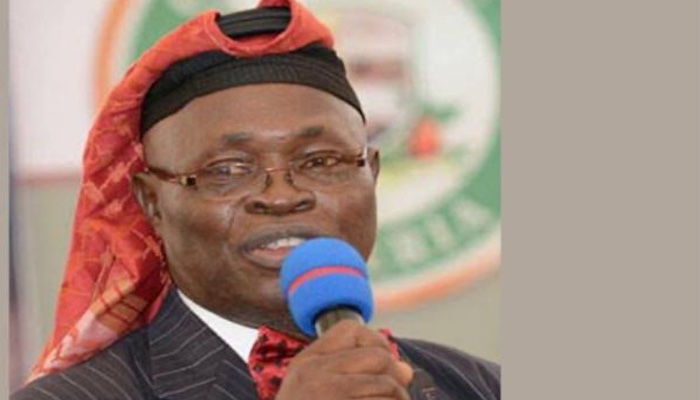
Abia Traditional Rulers Urge Politicians to Uphold Power Rotation, Avoid Conflict

Abia Traditional Rulers Urge Politicians to Uphold Power Rotation, Avoid Conflict

In a bid to maintain peace and stability, traditional leaders from the Ohuhu clan in Umuahia North Local Government Area of Abia State have called on politicians within the Ikwuano, Umuahia North, and Umuahia South LGAs to honor the existing power rotation arrangement in the Ikwuano/Umuahia Federal constituency. They warned that disregarding this agreement could lead to tension and violent confrontations in their communities.

Speaking on behalf of the traditional rulers on Friday, Eze Iheanyichukwu Nwokenna of Ekeoba Kingdom urged politicians from Ibeku, Ikwuano, and Umuahia South to allow the Ohuhu clan to complete their second term in the House of Representatives, emphasizing that peace should be prioritized over political ambitions.

Delivering the message at the residence of Eze Iheanyichukwu Abel Ezeigbo in Uhabiri, Umuchime na Amanso autonomous community, Ossah Ibeku, Eze Nwokenna noted that disrupting the power-sharing pact established during the tenure of former Governor Theodore Orji could have severe consequences.

Another traditional ruler from Ohuhu, Eze Nnamdi Ofoegbu, stressed the importance of adhering to agreements to prevent violence. “Let the world hear our voice. We don’t want killings, we don’t want political problems,” he warned.

Receiving his counterparts from Ohuhu and other clans, Eze Iheanyichukwu Abel Ezeigbo declared that monarchs would not allow their communities to become battlegrounds for political ambitions. “Instead of allowing our people to kill themselves, the Ohuhu traditional rulers have chosen to approach us. Ibeku and Ohuhu are one. None of us should die in the course of politics. We want peace to reign,” he appealed.

Posted on Leave a comment

Operation Hadin Kai Rescues Six Abducted Women, Children in Borno

Operation Hadin Kai Rescues Six Abducted Women, Children in Borno

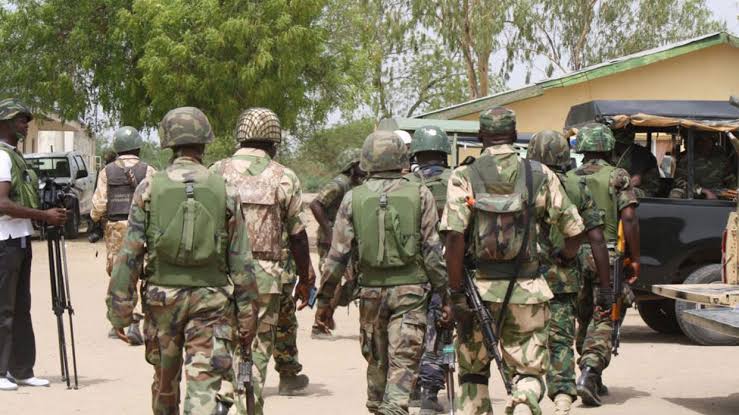
In a successful operation, troops from Operation Hadin Kai (OPHK) have freed six women and children who were kidnapped by suspected Boko Haram and ISWAP militants. The rescue took place in Ngoshe village, located within the Gwoza Local Government Area of Borno State.

A statement released on Friday by Lieutenant Colonel Sani Uba, the Media Information Officer for the Joint Task Force North-East, confirmed the operation. According to the statement, the victims were saved during a carefully planned mission that followed intense military actions, including aerial strikes aimed at dismantling terrorist camps in the Mandara Mountains.

Acting on reliable intelligence, troops managed to locate and retrieve the captives in the early hours of May 1, 2026, near Amuda—a deserted stretch between Ngoshe and Gava that is notorious for insurgent activity. The rescued individuals include Zainab Idris (18), Fatima Abubakar (17), Maimuna Abdulrashid (24), Muhammad Idris (1), Sadiq Abdullahi (7), and Fatima Abdulrashid (5).

Investigations reveal that the group was abducted during an assault on the Ngoshe community on March 3, 2026. They had been held in a militant hideout before managing to escape. The statement noted that fleeing terrorists opened fire on the troops as they tried to recapture the escapees, but the military personnel quickly returned fire and forced them to retreat.

The Armed Forces have emphasized that increased pressure on terrorist networks has weakened their capabilities, leading to disorganization and more frequent escape attempts by hostages. After the rescue, the victims received medical care and were subsequently handed over to local community leaders, who helped reunite them with their families.

The Nigerian military has reaffirmed its dedication to ongoing operations aimed at freeing abducted individuals and eradicating terrorist threats in the North-East region.

Posted on Leave a comment

Kebbi State Government Removes VC, Dissolves AFUSTA Governing Council

Kebbi State Government Removes VC, Dissolves AFUSTA Governing Council

The Kebbi State Government has terminated the appointment of Prof. Danshehu Bagudu Gwadangaji as Vice Chancellor of Abdullahi Fodio University of Science and Technology, Aliero (AFUSTA), along with five other senior officials. This action follows an investigation into the institution’s management.

According to a statement by the Secretary to the State Government, Yakubu Bala Tafida, the decision was reached during a State Executive Council meeting after reviewing recommendations from a visitation panel that examined the university’s operations. The affected officials include two Deputy Vice Chancellors (Academic and Administration), the Registrar, and the Bursar.

In a related move, the government also dissolved the university’s Governing Council, acting on the same panel’s advice. To ensure smooth operations, Prof. Sama’ila Arzika Mungadi has been appointed as Sole Administrator with effect from April 30, 2026.

While the government did not disclose specific findings from the panel, it reaffirmed its commitment to enhancing the university’s efficiency and academic standards.

Posted on Leave a comment

MURIC accuses FG of religious bias over airport chapel and relief funds

MURIC accuses FG of religious bias over airport chapel and relief funds

The Muslim Rights Concern (MURIC) has leveled accusations of religious discrimination against the Federal Government regarding two separate issues: the proposed construction of a N25 billion ecumenical chapel at the Nnamdi Azikiwe International Airport and the distribution of relief funds.

In a statement released on Friday, MURIC’s Executive Director, Professor Ishaq Akintola, expressed concern that the project, reportedly carried out in partnership with the Christian Association of Nigeria (CAN), raises questions about equal treatment of religious communities in Nigeria.

The organization also highlighted what it sees as an unfair allocation of relief funds, pointing to the reported N2 billion given to victims of violence in Plateau State while other affected states such as Borno, Sokoto, Zamfara, Kebbi, and Kwara received no similar aid.

MURIC further questioned the reported N1.2 billion distributed among the 19 northern states for the Eid al-Kabir celebration, calling the amount disproportionate compared to the Plateau intervention. “How can one state receive N2 billion while all 19 northern states must split N1.2 billion? Is it fair to treat Muslims as second-class citizens?” the statement asked.

The group also demanded clarity from the federal government regarding plans for Muslim religious infrastructure, urging authorities to ensure parity. “We ask the government to tell Nigerians when land of equal size will be given to Muslims to build their national mosque. And don’t forget the N25 billion sitting at the Central Bank that should accompany the land allocation,” MURIC added.

MURIC warned that perceived imbalances could heighten religious tensions and called on the government to uphold fairness and inclusivity in its policies. As of the time of writing, neither the federal government nor CAN has responded to the allegations.

Posted on Leave a comment

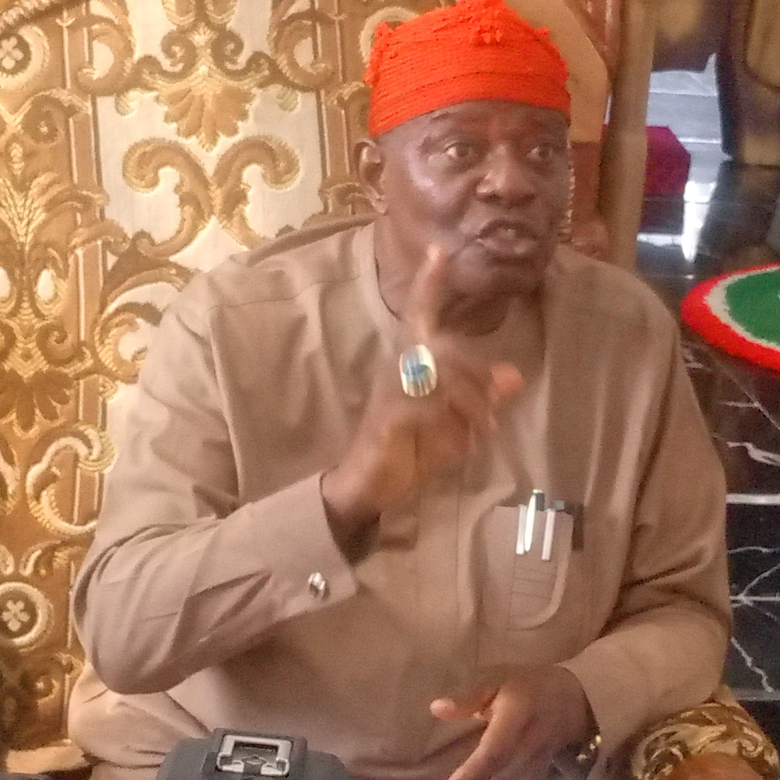
Adeboye Refuses to Defrock Oluremi Tinubu Over Political Pressure

Adeboye Refuses to Defrock Oluremi Tinubu Over Political Pressure

The General Overseer of the Redeemed Christian Church of God (RCCG), Pastor Enoch Adejare Adeboye, has firmly declared that Nigeria’s First Lady, Senator Oluremi Tinubu, will not be stripped of her pastoral ordination despite mounting calls for her removal.

Speaking at the church’s monthly Holy Ghost Service, Adeboye emphasized that Oluremi Tinubu was ordained as an Assistant Pastor in RCCG over a decade ago, long before her husband, President Bola Ahmed Tinubu, entered the presidential race. He clarified that her ordination followed all required church procedures and that she has not breached any of the church’s doctrines or guidelines.

‘She was properly ordained many years ago, far before her husband’s political journey toward the presidency began,’ Adeboye stated, adding that the church will not succumb to external pressures demanding her dismissal. He stressed that RCCG operates on established spiritual and procedural principles and will not be swayed by political sentiment or public outcry.

Adeboye affirmed that the First Lady remains in good standing within the church and continues to fulfill her pastoral duties without any infractions.

Posted on Leave a comment

US Banks Seek Delay on GENIUS Act Rules; Agora Pursues Federal Charter

US Banks Seek Delay on GENIUS Act Rules; Agora Pursues Federal Charter

Major US banking associations have formally requested a pause in the rulemaking process for the GENIUS Act, a comprehensive stablecoin regulation signed into law in July 2025. The American Bankers Association, the Bank Policy Institute, and two other trade groups sent a letter on April 22 to the Treasury Department and the Federal Deposit Insurance Corporation, urging them to suspend the comment periods for three proposed implementation rules until the Office of the Comptroller of the Currency completes its primary stablecoin framework. The groups argue that Treasury’s equivalency rule, the FDIC’s issuer standards rule, and the FinCEN-OFAC anti-money laundering directive are all intricately linked to the OCC’s pending rule, making it impossible to provide meaningful feedback in isolation. The GENIUS Act is set to take effect no later than January 18, 2027.

Meanwhile, stablecoin issuer Agora has taken a different approach by filing for a national trust bank charter with the OCC on April 24. Agora CEO Nick van Eck commented that the banks’ pushback was predictable, noting that their true concern revolves around the potential exodus of deposits to stablecoin platforms that offer higher yields, which would erode the profit spread banks currently enjoy between near-zero deposit rates and returns from Federal Reserve reserves. Van Eck emphasized that obtaining a federal charter would enable Agora to issue stablecoins directly under federal oversight, bypassing what he describes as excessive fees in fiat-to-crypto conversion services, and would allow the company to expand into custody, compliance, and payment services.

The OCC released its proposed stablecoin rulebook in February 2026, addressing issuance, reserves, supervision, and redemption for permitted stablecoin issuers. That proposal had a 60-day comment period that ended on May 1. The Treasury separately proposed rules for state-level oversight of issuers under $10 billion, with a comment deadline of June 2. By seeking to align the three distinct timelines into a single coordinated process, banks could delay the GENIUS Act’s implementation by several months, giving traditional lenders more time to evaluate the competitive threat from nonbank stablecoin issuers before the regulations are finalized.

Posted on Leave a comment

Bitcoin bulls eye $80K as Iran peace signals boost risk appetite

Bitcoin bulls eye $80K as Iran peace signals boost risk appetite

Bitcoin’s price jumped nearly 3% to $78,700 on May 1, buoyed by news that Iran presented a fresh peace proposal to the United States through Pakistani intermediaries. This development helped ease fears over oil supply disruptions, lifting overall market sentiment. According to CNBC, Iran’s updated offer, delivered via mediators in Pakistan, marks another step in long-running negotiations covering ceasefire terms, sanctions relief, and the Strait of Hormuz. Oil prices dipped modestly on the news, reducing one of the key macroeconomic pressures that had dragged on cryptocurrencies and equities throughout the week.

The climb from a multi-week low of $74,900 on April 29—when President Trump received a military briefing on new Iran strike options—to $78,700 on May 1 essentially erased the losses from the post-FOMC selloff. This pattern mirrors earlier recoveries during the conflict, where each credible diplomatic signal triggered a rapid BTC repricing. 21Shares chief market strategist Adrian Fritz noted that $80,000 represents a significant resistance level. He remarked that a strong break above that threshold could generate fresh momentum, especially as recent buyers return to profitability. Fritz added that moving past $85,000 might indicate the start of a broader reversal.

Previously, Bitcoin had touched $78,400 the prior week but was sharply rejected when hostilities flared up again, establishing a consistent pattern: every promising diplomatic move leads to a quick BTC rally, and any setback reverses it within hours. Hopes of a comprehensive US-Iran deal have consistently fueled bets on Bitcoin retesting $80,000, provided ETF inflows resume and oil prices retreat toward pre-war levels. The $80,000 mark has now been tested twice in 2026 without a decisive breakout. A confirmed move above that level, supported by sustained ETF inflows and stable oil prices, would be the clearest indication that the Iran-driven macro overhang on Bitcoin has materially diminished.