Posted on Leave a comment

EFCC Launches Investigation into Attack Claims on UUTH Cardiologist

EFCC Launches Investigation into Attack Claims on UUTH Cardiologist

The Economic and Financial Crimes Commission (EFCC) has mandated a formal inquiry into the confrontation between its personnel and staff at the University of Uyo Teaching Hospital (UUTH), following allegations that Professor Eyo Ekpe, a prominent cardiologist, was assaulted. This move comes after the incident on May 12 triggered an indefinite strike by doctors and health workers, despite the Chief Medical Director’s plea for them to return to duty to safeguard critically ill patients.

In a statement on Friday, EFCC spokesman Dele Oyewale expressed the commission’s dismay over the brutality accusations, though he noted no physical signs of injury have been confirmed. He confirmed that any operative found violating the agency’s Standard Operating Procedure would face disciplinary action. Oyewale further clarified that the visit to UUTH was purely administrative—aimed at verifying a document—and not an arrest operation. He claimed no arrests were made and hospital staff who accompanied operatives to the zonal office were not detained.

Urging restraint, Oyewale appreciated stakeholders working toward a peaceful resolution and warned against allowing fifth columnists to exploit the situation to hinder Nigeria’s anti-corruption fight.

Posted on Leave a comment

Rwandan passport holders granted 30-day visa-free travel to Nigeria

Rwandan passport holders granted 30-day visa-free travel to Nigeria

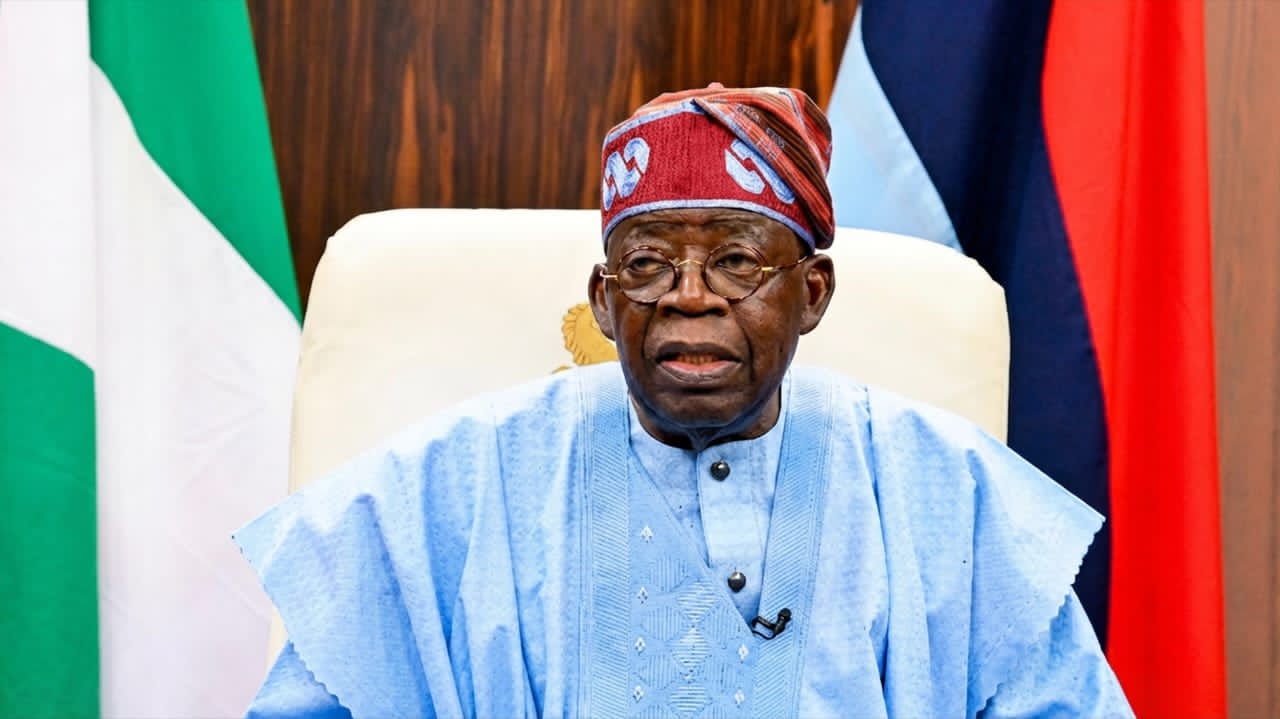
In a move aimed at strengthening bilateral ties, the Nigerian government has officially implemented a 30-day visa exemption for citizens of Rwanda. The directive, announced by President Bola Ahmed Tinubu during the Africa CEO Forum in Kigali, is now being enforced by the Nigeria Immigration Service (NIS).

This policy allows Rwandan nationals to enter Nigeria without a visa for stays of up to 30 days, covering tourism, business, and official visits. It reciprocates a similar gesture previously extended by Rwanda to Nigerian citizens, underscoring a mutual commitment to enhanced cooperation.

For those wishing to remain in Nigeria beyond the 30-day period, standard visa requirements still apply. Travelers must apply through a Nigerian embassy or high commission abroad, or utilize the Nigeria e-Visa system to secure appropriate documentation.

The NIS has instructed all ports of entry—airports, land borders, and seaports—to immediately begin enforcing the new policy. The service stated that this initiative reflects strong diplomatic relations between the two nations and promotes intra-African mobility, tourism, and economic integration in line with continental goals.

According to the official statement, the Nigeria Immigration Service remains dedicated to facilitating safe, orderly, and lawful migration, consistent with international standards and President Tinubu’s Renewed Hope Agenda.

Posted on Leave a comment

President Tinubu Returns to Nigeria After Diplomatic Tour of France, Kenya, and Rwanda

President Tinubu Returns to Nigeria After Diplomatic Tour of France, Kenya, and Rwanda

President Bola Tinubu has safely arrived back in Nigeria following his official visits to France, Kenya, and Rwanda. The presidential aircraft landed at the Presidential Wing of Lagos Airport at approximately 7:12 p.m., according to a statement from his Special Adviser on Information and Strategy, Bayo Onanuga.

Upon arrival, Tinubu was welcomed by a delegation that included Lagos State Governor Babajide Sanwo-Olu, Deputy Governor Femi Hamzat, Chief of Staff to the President Femi Gbajabiamila, and Speaker of the Lagos State House of Assembly Mudashiru Obasa, among other government officials.

During his stay in France, the president engaged with global investors, highlighting the importance of transparency and fiscal responsibility. He also explained the rationale behind the swift implementation of the bold economic reforms his administration has undertaken.

In Kenya, Tinubu attended the Africa Forward Summit in Nairobi, which was co-hosted by French President Emmanuel Macron and Kenyan President William Ruto. At the summit, Tinubu called for a restructuring of the global financial system and stronger economic integration that prioritizes Africa’s growth and prosperity.

Additionally, the president emphasized Nigeria’s potential in the blue economy, describing it as a cornerstone for Africa’s development. He committed to sharing Nigeria’s maritime intelligence infrastructure with willing Gulf of Guinea states.

Posted on Leave a comment

Navy Smashes Illegal Fuel Depot in Rivers, Seizes 123,000 Litres of AGO

Navy Smashes Illegal Fuel Depot in Rivers, Seizes 123,000 Litres of AGO

In a decisive blow against economic sabotage, the Nigerian Navy has dismantled a clandestine fuel distribution network in Rivers State. The operation, executed under the banner of Operation Delta Sentinel, focused on the Okrika area and led to the discovery of a hidden warehouse in Okochiri Kingdom. Naval personnel found 410 drums filled with approximately 123,000 litres of Automotive Gas Oil (AGO) suspected to be illegally refined.

According to Captain Abiodun Folorunsho, the Director of Naval Information, the raid was part of a sustained campaign to disrupt illicit petroleum activities. The seized products are believed to have been transported from illegal refining sites and stored for sale on the black market. This discovery underscores a worrying shift as criminal networks move from open refining to concealed storage and distribution methods to evade authorities.

The Navy has handled the confiscated items according to standard anti-theft protocols, and surveillance continues in the region. The operation reinforces the Navy’s commitment to protecting national assets and curbing the economic losses caused by crude oil theft and illegal refining. Under the Chief of the Naval Staff’s vision, the Navy remains relentless in denying saboteurs any operational space in the Niger Delta’s maritime and littoral zones.

Posted on Leave a comment

NSCDC Cracks Down on Illegal Mining, Warns Offenders

NSCDC Cracks Down on Illegal Mining, Warns Offenders

The Nigeria Security and Civil Defence Corps (NSCDC) has raised alarm over the escalating issue of unauthorized mining activities nationwide. Ahmed Abubakar Audi, the Commandant-General, issued a stern warning to those involved, urging them to cease operations that could lead to severe consequences.

During a meeting with delegates from the United Nations Office on Drugs and Crime (UNODC) and Canadian donor partners at the NSCDC head office on Friday, Attah Onoja, commander of the Mining Marshals Corps, spoke on behalf of the Commandant-General. He emphasized that illegal mining has evolved beyond a mere economic violation, now representing a significant national security menace that demands intelligence-led and coordinated enforcement strategies.

Onoja stated, “Illegal mining has transformed from a simple economic crime into a major threat to national security. It requires a coordinated, intelligence-driven approach to enforcement.”

He praised the UNODC and the Canadian government for their backing of the initiative titled “Strengthening Nigeria’s Response to Criminal and Terrorist Finance related to Minerals.” This collaboration, he noted, has boosted the operational and investigative capabilities of officers tasked with tackling mineral-related crimes throughout the country.

The Mining Marshals Corps was established, according to Onoja, to safeguard Nigeria’s mineral wealth and enforce mining regulations through dedicated teams focused on intelligence, field operations, legal proceedings, enforcement, and community outreach. “Our mission is to protect the nation’s mineral resources, curb illegal mining, and prosecute those involved in unlawful mineral extraction,” he explained.

He revealed that the partnership between NSCDC and UNODC began in 2025, supported by Global Affairs Canada, through training sessions and consultative meetings. In November 2025, 21 officers underwent training on investigating terrorism financing, which he described as vital for improving probes into organized crime, terrorism funding, and illegal mining activities.

Specialized units have since been deployed to illegal mining hotspots in the North-West and North-Central regions. Joint operations with other agencies have resulted in the dismantling of multiple illegal mining sites and the arrest of suspects.

Posted on Leave a comment

KACRAN calls for preservation of cattle routes and rehabilitation of grazing reserves

KACRAN calls for preservation of cattle routes and rehabilitation of grazing reserves

The Kulen Allah Cattle Rearers Association of Nigeria (KACRAN) has urged farmers to stop blocking livestock corridors and illegally turning grazing reserves into agricultural lands throughout the country. In a communiqué released after its 7th anniversary and National Executive Council meeting in Damaturu, the association’s National President, Khalil Mohammed Bello, emphasized the need to protect these designated areas.

KACRAN also cautioned pastoralists against destroying crops while moving their animals, urging both parties to settle disputes through negotiation, dialogue, and the involvement of traditional rulers rather than violence or extrajudicial measures. The group stressed that peaceful resolution mechanisms are essential for harmony.

Where livestock damages farms, KACRAN recommends compensation based on the actual assessed value of the harm. It expressed concern over reports of exorbitant demands—such as one million naira for a single cow entering a farm—and called for fairness and reasonableness in compensation claims.

Furthermore, KACRAN appealed to federal and state governments to reclaim and revitalize grazing reserves and cattle routes nationwide. This would reduce the need for long-distance drives from the North through the North Central to the South, which often lead to crop destruction and unnecessary conflicts.

The association also called on the Federal Government to enhance security, especially in the North West and North Central regions, to ensure safe operations for both farmers and herders. It noted that security is crucial for boosting food production for domestic use and export.

Posted on Leave a comment

Bauchi WASH Forum Proposes New Tax on Firms to Fund Water, Sanitation

Bauchi WASH Forum Proposes New Tax on Firms to Fund Water, Sanitation

A coalition of Water, Sanitation, and Hygiene (WASH) stakeholders in Bauchi State has recommended the creation of a dedicated levy on businesses and institutions operating within the state to shore up financing for water and sanitation projects.

This initiative was among the key outcomes of the 2026 State WASH Joint Sector Review, a three-day gathering held from May 12 to 14 at Hazibal Suites in Bauchi. The event brought together representatives from various government bodies, local councils, development partners, civil society groups, private sector players, traditional and religious leaders, academia, media, and community organizations.

The final communiqué from the meeting called for the prompt establishment of a WASH Fund Basket, along with a donor roundtable to attract additional resources. Participants acknowledged that while strides have been made in expanding water supply and promoting sanitation and hygiene, the sector continues to grapple with insufficient funding, poor maintenance practices, low functionality of facilities, climate vulnerabilities, and unequal access to services.

They urged the Bauchi State Government to treat WASH as a critical public health and development priority through enhanced budgetary allocations, robust policy implementation, and sustained political will. Specific demands included the finalization of the Water Regulatory Commission and the Small Towns Water Agency under the Ministry of Water Resources, as well as the full corporatization of the Bauchi State Urban Water and Sewerage Corporation to boost efficiency and service delivery.

The communiqué also emphasized the need for stronger coordination and accountability among ministries, departments, and local councils in executing WASH programs. It called for revitalizing the WASH Media Network to intensify public awareness campaigns on hygiene and sanitation, and urged traditional and religious leaders to spearhead community-level efforts to achieve Open Defecation Free (ODF) status across all local government areas.

Key priority actions for 2026–2027 include increasing the WASH budget, rehabilitating non-functional water schemes, scaling up hygiene behavior change campaigns, and accelerating Community-Led Total Sanitation programs. Stakeholders also set a target to reduce the state’s ODF reversion rate from 15% to 5% within one year. Additional commitments involve strengthening WASH data management systems, integrating climate resilience and disability inclusion, and promoting WASH interventions in schools and healthcare facilities.

To ensure accountability, quarterly progress review meetings will be held, and annual sector performance reports will be published. The communiqué was adopted on May 14, 2026, and signed by representatives from the Ministry of Water Resources, State Rural Water Supply and Sanitation Agency, Bauchi State Urban Water and Sewerage Corporation, UNICEF, WaterAid, civil society groups, and media organizations.

Posted on Leave a comment

Top Nigeria Public Institutions: NCC, NEDC Lead Performance Rankings

Top Nigeria Public Institutions: NCC, NEDC Lead Performance Rankings

The Nigerian Communications Commission (NCC) and the North East Development Commission (NEDC) have been recognized as leading performers among Nigeria’s public institutions, according to the latest Fiscal Responsibility and Institutional Performance Report released by the Transparency Watch Initiative.

The report, published on Friday, evaluated federal agencies based on criteria such as fair practices, fiscal discipline, project execution, regulatory effectiveness, responsiveness to the public, and measurable impacts on national development goals.

Dr. Ifure Ataifure, head of the initiative, noted that the NCC continues to exemplify regulatory excellence in Nigeria’s public sector. He emphasized that the commission’s efforts in expanding digital access, ensuring communication network stability, advancing broadband penetration, and boosting economic productivity have made the telecommunications sector one of the nation’s most resilient growth engines.

Alongside the NCC and NEDC, other agencies that performed well include the Nigeria Sovereign Investment Authority (NSIA), Nigerian Ports Authority (NPA), Federal Inland Revenue Service (FIRS), Debt Management Office (DMO), Nigeria Customs Service (NCS), National Agency for Food and Drug Administration and Control (NAFDAC), Rural Electrification Agency (REA), and National Identity Management Commission (NIMC).

Posted on Leave a comment

Nigeria Inks Deals for Eight Key Road Infrastructure Projects

Nigeria Inks Deals for Eight Key Road Infrastructure Projects

The Nigerian government has finalized agreements and memoranda of understanding for eight significant road developments spread across various regions of the country. This announcement marks another step forward in the administration’s infrastructure modernization agenda.

At a signing event held at the Ministry of Works headquarters in Abuja, officials, contractors, and stakeholders gathered to witness the milestone. Minister of Works David Umahi highlighted that these initiatives are part of President Bola Tinubu’s broader strategy to enhance road networks and stimulate economic growth.

Umahi noted that the initial 123-kilometer single carriageway section of the Calabar-Ebonyi-Abuja Super Highway, connecting Calabar through Ebonyi State to the Benue border, has already been secured. The newly signed segment extends 173 kilometers through Benue, Kogi, and Nasarawa states, terminating at the Oweto Bridge.

He further revealed plans to procure a second carriageway spanning approximately 300 kilometers from Ndibe Beach to Oweto in Nasarawa State. This corridor is expected to drastically cut travel time between the South-East and Abuja, boosting regional commerce.

Umahi expressed confidence that the South-East region would show appreciation for these developments. He remarked that previous administrations rarely undertook federal projects in the area, but this administration is changing that narrative. He emphasized that the project would enable travel from any part of the South-East to Abuja within three to four hours, enhancing business activities.

The procurement process for the project involved five competing firms, with INFOUEST emerging as the successful bidder. A similar transparent approach was applied to the Sokoto-Badagry Super Highway project.

Addressing the Lagos-Calabar Coastal Highway, Umahi noted that initial skepticism has transformed into national pride. He stated that what some once doubted has become a source of admiration for the country. By November, motorists will be able to travel from Ahmadu Bello Way in Lagos through Sections One and Two, and part of Section Four, to Ondo State on completed stretches.

Sections 3A and 3B in Cross River and Akwa Ibom states are underway, while Section Five, covering 165.6 kilometers, has also started. Umahi described the highway as more than a road—it’s a long-term national investment built to last for decades with minimal upkeep.

HITEC Construction Company received praise for its speed and dedication, reportedly achieving up to one kilometer of road construction daily. The project costs include extensive drainage, reinforced pavement, and concrete works, with an average cost of N7.5 billion per kilometer for a standard carriageway.

Investor interest is already high, with several parties seeking to toll completed sections to recoup funds before tolling begins. Umahi highlighted that only a visionary like President Tinubu could undertake such transformative projects.

On the Sokoto-Badagry Super Highway, Section IV covering the Oyo axis spans 360 kilometers. Umahi stressed that these legacy projects are spread across all six geopolitical zones, reflecting the president’s national focus.

Progress on the Akwanga-Jos-Bauchi-Gombe-Biu-Maiduguri Road was also noted. President Tinubu insisted on concrete pavement for durability, aiming for a century-long lifespan. Funding for these projects will comprise 30 percent counterpart funding from the government and 70 percent from loans, with tolling and strategic land acquisition ensuring returns.

The signed projects include: Calabar-Ebonyi-Abuja Super Highway Section II (Ebonyi State Border–Benue–Kogi–Nasarawa); Sokoto-Badagry Super Highway Section IV (Oyo State); Lagos-Calabar Coastal Highway Section V (Akwa Ibom State); dualisation of Akwanga-Jos-Bauchi-Gombe-Biu-Maiduguri Road Section II (Gombe–Biu); reconstruction of Mando–Birnin Gwari Road in Kaduna by J. Patel and Sons; dualisation of Ibadan–Ijebu Ode Road in Oyo/Ogun by JRB Construction; construction of Osogbo–Ikirun–Akoda Road in Osun by Truecrete Solutions; and construction of Osogbo–Iwo–Ibadan Road in Osun/Oyo by Peculiar Ultimate Concerns.

Permanent Secretary Rafiu Olarinre Adeladan described the ceremony as the culmination of procurement and the start of project implementation. Contractor representative Dany Abboud of HITEC assured timely delivery and quality, pledging to complete projects within 36 months and exceed the standards set on Coastal Highway Section One.

Posted on Leave a comment

Osun APC Primary: Aspirants Demand Fair Process, Reject Imposition

Osun APC Primary: Aspirants Demand Fair Process, Reject Imposition

Stakeholders within the All Progressives Congress in Osun State have called on party leaders to ensure that the selection of senatorial candidates for the 2027 general election follows due process. This appeal was made during a meeting held in Iwo on Thursday, convened by APC leaders from the Osun West Senatorial District.

AbdulGafar Akintayo Amere, a former House of Representatives member who represented the Iwo/Ayedire/Ọla-Oluwa Federal Constituency between 2011 and 2019, voiced his concerns over what he described as attempts to force a candidate on the party without adhering to democratic principles. He stated that initially, party leaders informed aspirants that only one nomination form would be procured to designate a consensus candidate. However, this decision was later reversed, and all aspirants were subsequently instructed to purchase their own forms after consultations with the party secretary and other key stakeholders.

“During the meeting, we were asked to share our views on the candidate allegedly handpicked by the leaders. I made it clear that the approach was unjust. At first, they insisted that a single form would suffice for their preferred candidate, but later they contacted us and advised everyone to obtain forms. We verified this directive with the party secretary and other leaders before proceeding,” Amere explained.

He emphasized that there was no provision for a consensus arrangement, noting that the National Working Committee of the APC had already mandated that all senatorial aspirants must participate in the primary election scheduled for Monday. “The national leadership reaffirmed yesterday that all senatorial candidates must go through the primary election. There is no such thing as a consensus candidate. We will comply with the NWC’s directive because it takes precedence over any decision made at the state level or elsewhere,” he added.

Amere also highlighted that similar situations were reportedly unfolding in other senatorial districts across the state, and he urged fellow aspirants to resist any attempt to deny them a fair contest.

Another aspirant, Peter Taiwo, who also spoke at the gathering, said the meeting was organized by APC leaders to discuss the adoption of a preferred candidate. According to him, many aspirants rejected the proposal, insisting that the Electoral Act and party guidelines require the consent of all contestants before a consensus candidate can emerge. “We made it clear to the leaders that we are not satisfied with the arrangement. By law, all aspirants must willingly agree before a consensus candidate can be adopted. Once any contestant objects, the party must conduct a primary election,” Taiwo stated.

He further revealed that since most aspirants opposed the leaders’ decision, preparations for the direct primary election on Monday were already underway, in line with the NWC’s directive.