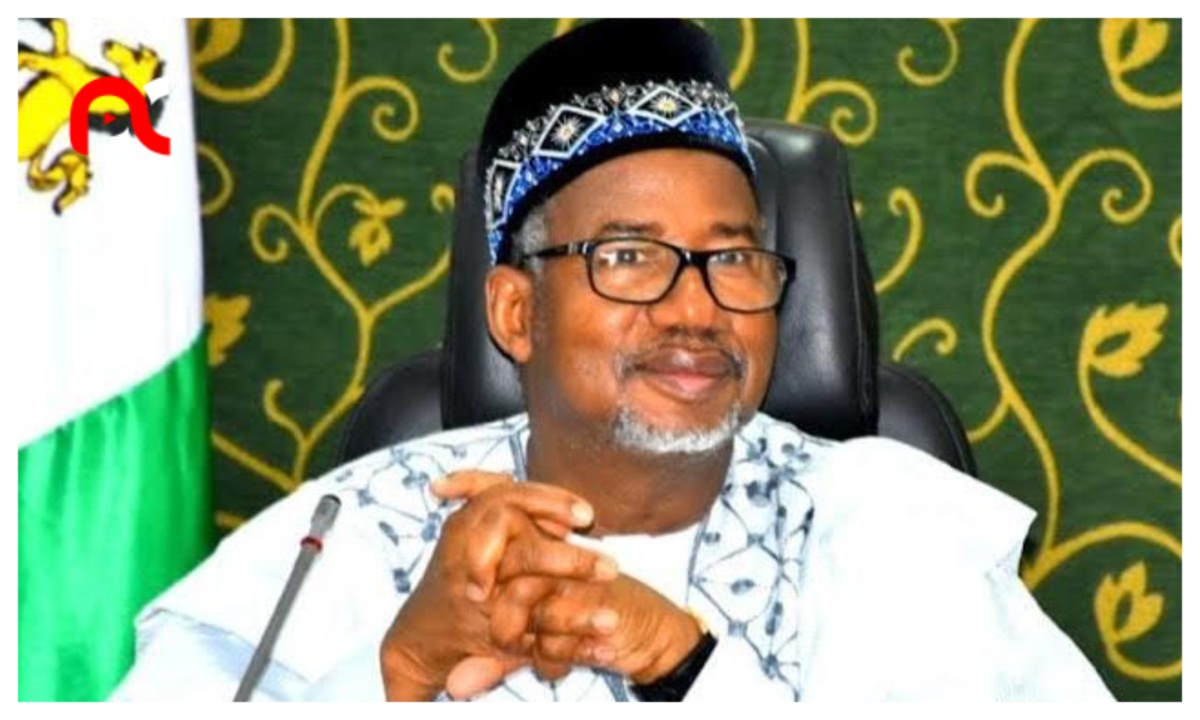
With political parties wrapping up their governorship primaries, the race to succeed Bauchi State Governor Bala Mohammed in 2027 is beginning to crystallize. Though five contenders have emerged from the leading political parties, analysts point to three major candidates who are drawing the most attention: Yakubu Adamu of the All Progressives Movement (APM), former Governor Mohammed Abdullahi Abubakar of the All Progressives Congress (APC), and Senator Shehu Buba Umar of the Peoples Redemption Party (PRP). Other hopefuls, such as Haliru Dauda Jika of the African Democratic Congress (ADC) and Usman Adamu Sufi representing the PDP faction loyal to Nyesom Wike, remain in play but lack the widespread party infrastructure needed to challenge the top three.
Yakubu Adamu enters the contest with a significant edge: the explicit backing of Governor Bala Mohammed. As the immediate past Commissioner of Finance, Adamu is riding on the governor’s incumbency apparatus and growing demands for a power shift to Bauchi North, a zone that has not produced a governor in years. His candidacy received a major boost when Bala Mohammed defected to the APM, bringing along a substantial portion of his political network, including elected officials, party executives, and grassroots mobilizers across all 20 local government areas. For many observers, Adamu’s strength lies less in the APM itself and more in the formidable political machine behind him. Bala Mohammed, still one of the state’s most influential figures, is expected to leverage his extensive connections to rally votes for Adamu. Additionally, the push for zoning—arguing that power rotation promotes equity and inclusion—could resonate widely across Bauchi. However, Adamu faces hurdles: an ongoing EFCC investigation and, more critically, Bauchi’s historical pattern where no outgoing governor has successfully installed a chosen successor since 1999. Former governors Ahmadu Mu’azu and Isa Yuguda both failed to pass the baton to their preferred candidates, a jinx Bala Mohammed will try to break in 2027.
Mohammed Abdullahi Abubakar’s emergence as the APC flagbearer has laid bare deep fractures within the party. The governorship primary triggered a wave of defections, including that of Senator Shehu Buba Umar, and left many members disgruntled over allegations of unfairness, candidate imposition, and lack of internal democracy. Key figures such as Hon. Rabilu Bala Kashuri, Hon. Tijjani Mohammed Aliyu, Hon. Abubakar Dahuwa Abdulkadir, and Hon. Sulaiman Sunusi Lalaye have abandoned the APC, citing irregularities and unjust processes. Some groups accuse Coordinating Minister of Health Muhammad Ali Pate and former governor Isa Yuguda of orchestrating Abubakar’s nomination. Without urgent reconciliation, the APC might struggle to remain competitive. Abubakar and Pate are expected to lead efforts to heal the divisions, as the party’s electoral prospects hinge on restoring unity among aggrieved members.
Shehu Buba Umar stands out as a formidable contender due to his grassroots appeal, bold political moves, and rising influence in Bauchi South—the state’s most populous senatorial district. His defection from the APC to the PRP and subsequent victory in the PRP primary injected new energy into the race. Unlike many politicians who rely heavily on party machinery, Shehu Buba’s strength comes from his personal brand and deep connections with ordinary voters. His strong foothold in Bauchi South, where a commanding performance could tip the scales, is a major asset. He may also draw protest votes from APC members unhappy with the party’s primary outcome, positioning himself as a credible alternative for those seeking change without backing the ruling APM. His role as chairman of the Senate Committee on National Security and Intelligence has raised his profile and equipped him with national connections. Nevertheless, Shehu Buba faces obstacles. Opponents are likely to revive unsubstantiated allegations linking him to banditry during his political feud with Governor Bala Mohammed, though he has consistently denied them. More critically, the PRP must build a statewide organization capable of matching the APM and APC in grassroots mobilization and voter turnout. Turning popularity into an effective electoral machine remains his biggest test.