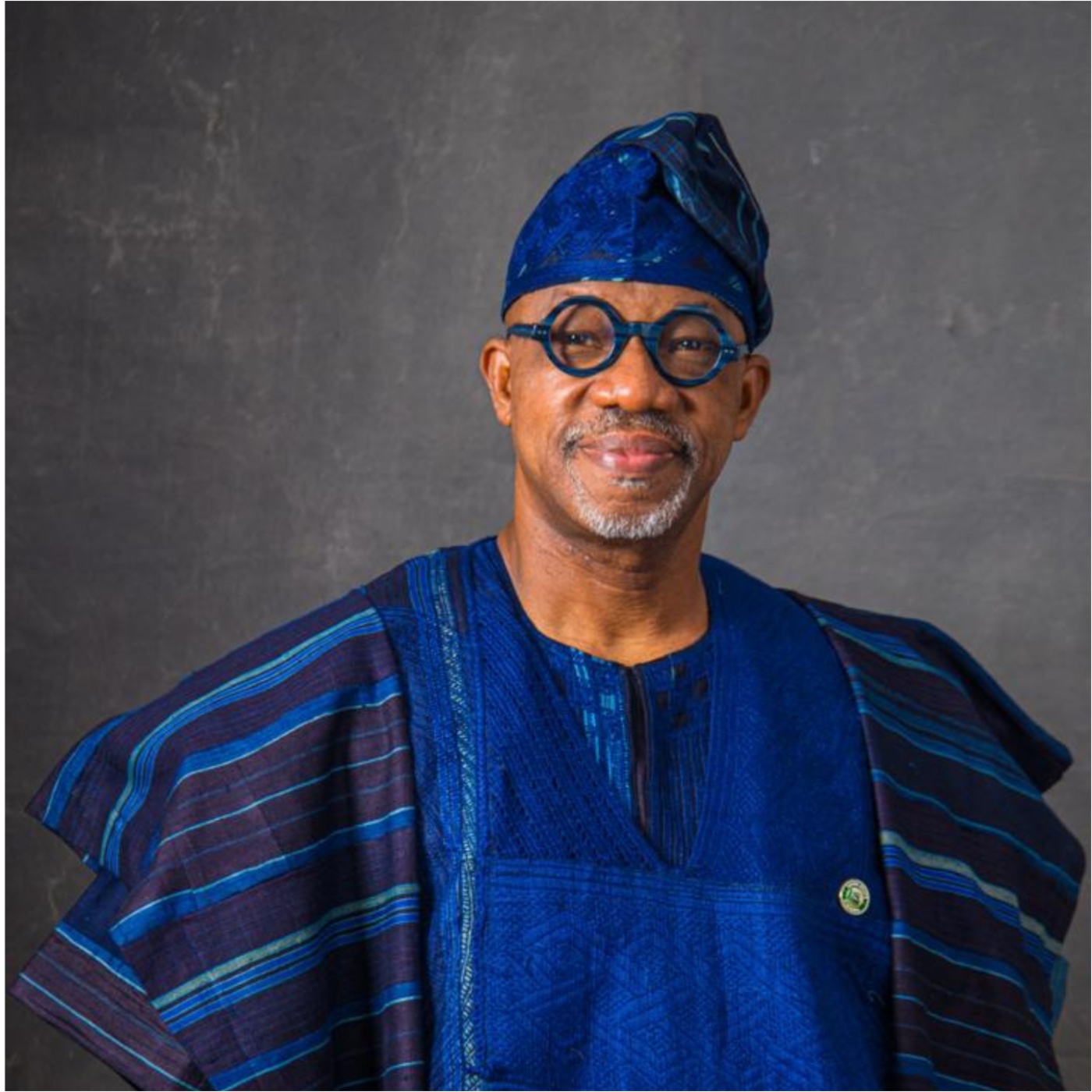
The declaration of results from the All Progressives Congress (APC) primary election for Ogun East Senatorial District on May 18, 2026, delivered a decisive verdict with clear political significance. Governor Dapo Abiodun, the outgoing state chief executive, amassed 75,550 votes from a total of 99,503 cast, triumphing across all nine local government areas within the district. His main rival, Senator Otunba Gbenga Daniel, who had stepped down just before the vote, managed only 398 votes.
Beyond the stark numerical gap, the outcome underscored a broader consensus: a resounding endorsement of Governor Abiodun’s achievements in office and his political influence across Ogun East. For a substantial segment of the APC, the primary transcended mere succession maneuvering; it served as a judgment on delivery—on infrastructure strides, economic growth, and continuity of leadership.
The crucial query, therefore, is not merely about why Prince Dapo Abiodun secured the APC ticket, but why many party faithful believe he truly merited it.
From Private Sector to Public Service
Hailing from Iperu-Remo, Prince Dapo Abiodun was born on May 29, 1960, and spent years cultivating a robust corporate career before transitioning to politics. His background includes founding Heyden Petroleum Limited and directing financial entities such as First Marina Trust and the First Interstate Group.
Supporters frequently highlight this business pedigree as a key influence on his governance approach—one emphasizing infrastructure, investment, industrialization, and fiscal growth. Upon becoming governor in 2019, his administration unveiled the ISEYA agenda: Infrastructure, Social Welfare, Education, Youth and Women Empowerment, and Agriculture—a framework that has guided policy throughout his tenure. Over seven years, this plan has become synonymous with road building, industrial expansion, transport integration, and economic reform.
Infrastructure as the Cornerstone
No facet of the Abiodun administration draws more frequent praise than infrastructure development. Since 2019, Ogun State has reportedly constructed or upgraded more than 1,600 kilometers of roads linking industrial zones, rural settlements, and business hubs.
Key projects include the Epe-Ijebu Ode Expressway, Sagamu-Abeokuta Expressway, Sagamu-Iperu-Ode Remo-Sapade corridor, Ilishan-Iperu Road, and the Ijebu-Ode-Epe dual carriageway. Additionally, township roads in Sagamu, Ijebu-Ode, Odogbolu, Abeokuta, Ota, and Ilaro received substantial rehabilitation.
For Ogun East, these projects carried direct economic weight. Improved roads boosted market access, cut transportation costs, and strengthened links between Ogun and Lagos. Communities once cut off by poor infrastructure became better integrated into economic and social life.
The Gateway International Airport Impact
Perhaps no project symbolizes the ambition of the Abiodun administration more than the Gateway International Airport, situated in Iperu-Ilishan within Ogun East Senatorial District. Commissioned on April 4, 2026, by President Bola Ahmed Tinubu, the airport immediately became a flagship legacy achievement.
The ceremony drew national political figures, including former President Olusegun Obasanjo, Senate President Godswill Akpabio, and several governors. For supporters, the airport represented much more than tarmac and terminals; it signaled Ogun State’s rise as a strategic logistics and industrial hub. Manufacturers and businesses around Sagamu, Ijebu-Ode, and neighboring industrial corridors now have a convenient aviation gateway, bypassing the congestion of Lagos routes.
The event also featured the launch of Gateway Air, electric motorcycles, security vehicles, and agricultural tractors—all reinforcing the administration’s broader development narrative. President Tinubu publicly lauded the governor’s leadership, stating, “In less than seven years, you, Dapo Abiodun, have demonstrated commitment, vision and patriotism to grow Nigeria.” Former President Obasanjo similarly hailed the airport as a historic milestone for Ogun State.
Moreover, the airport fits within a larger transportation vision under Abiodun—one that placed Ogun among the few Nigerian states accessible via road, rail, air, and water.
Economic Performance and Industrial Growth
Supporters of Governor Abiodun also point to tangible economic indicators. Ogun State’s Internally Generated Revenue reportedly climbed from ₦52 billion in 2020 to nearly ₦192 billion in 2024, with projections nearing ₦250 billion. The state’s GDP expanded from ₦2.9 trillion in 2021 to ₦7.3 trillion in 2024. In 2025, Ogun reportedly attracted over 70 percent of Nigeria’s Foreign Direct Investment inflow, reinforcing its status as a leading industrial destination.
Beyond numbers, the administration secured major investment pledges tied to industrial and logistics growth. In 2022, Ogun State signed a $400 million Memorandum of Understanding with Arise Integrated Industrial Platform for the Olokola Free Trade Zone and the Remo Agro Processing Zone. African Industries Group committed over $500 million, and global manufacturing giant Foxconn expressed interest in establishing operations in the state. The Kajola Dry Port initiative further complemented the administration’s logistics strategy, aiming to facilitate trade movement between Ogun and Nigeria’s seaports.
Social Interventions and Community Benefits
While infrastructure dominated headlines, the administration also rolled out programs in education, healthcare, and community development. The Women Development Centre in Ijebu-Ode was established to promote entrepreneurship and vocational training for women. The Eriwe initiative provided support to fishing and riverside communities in Ogun Waterside and adjoining areas.
Education reforms included the abolition of school levies, the introduction of the Ogun DigiClass programme, and the deployment of an Education Management Information System across local education authorities. Healthcare infrastructure was also upgraded, with approximately 140 primary healthcare centers reportedly renovated statewide.
Traditional institutions in Ogun East publicly acknowledged aspects of the administration’s work. The Ijebu Traditional Council, during the lifetime of the late Awujale of Ijebuland, Oba Sikiru Adetona, commended the administration’s infrastructure projects, governance reforms, and the Obas and Chiefs Laws of Ogun State 2021.
What the Primary Victory Signified
The APC primary itself became one of the strongest political validations of Governor Abiodun’s standing in Ogun East. Across Sagamu, Remo North, Ijebu-Ode, Ogun Waterside, Odogbolu, Ijebu East, Ijebu North, Ijebu North East, and Ikenne, he secured commanding wins. Prior to the election, party leaders, lawmakers, councillors, and local government chairmen openly endorsed his candidacy. The Ogun East APC Caucus also announced plans to collectively purchase his nomination form.
To supporters, these endorsements reflected broad political consensus around his candidacy, not merely elite alignment.
Why Many Believe He Belongs in the Senate
Proponents of Prince Dapo Abiodun argue that his move from Government House to the Senate would give Ogun East a more powerful voice at the federal level. First, his executive experience: as governor, he managed multi-billion-naira budgets, negotiated international investment deals, and coordinated projects requiring collaboration with federal agencies and foreign investors. Second, his political access: his relationship with the Tinubu administration is seen within APC circles as able to translate into greater federal attention for Ogun East projects and infrastructure priorities. Third, continuity: initiatives such as the Gateway International Airport, Kajola Dry Port, Olokola Free Trade Zone, and industrial corridors within Ogun East would benefit from representation by someone already deeply familiar with their financing, implementation challenges, and long-term economic goals.
Supporters also believe his background equips him to contribute meaningfully to legislative debates on industrial policy, infrastructure financing, regional development, and investment promotion.
Beyond Politics: A Performance Argument
Prince Dapo Abiodun’s victory in the APC Ogun East senatorial primary was far more than a routine political exercise. For many within the party, it represented an endorsement of seven years defined by road construction, economic expansion, industrial growth, investment attraction, and strategic infrastructure development. Across Ogun East, supporters point to rehabilitated roads, upgraded healthcare centers, attracted industries, and an international airport commissioned within the district itself.
Ultimately, the 2027 general election will determine whether the broader electorate shares that assessment. But within the APC, the message from the primary was unmistakable: many party members believe Prince Dapo Abiodun earned the ticket through performance, political influence, and visible developmental impact delivered during his tenure.
Akinmade is Special Adviser, Information and Strategy to Ogun State Governor.