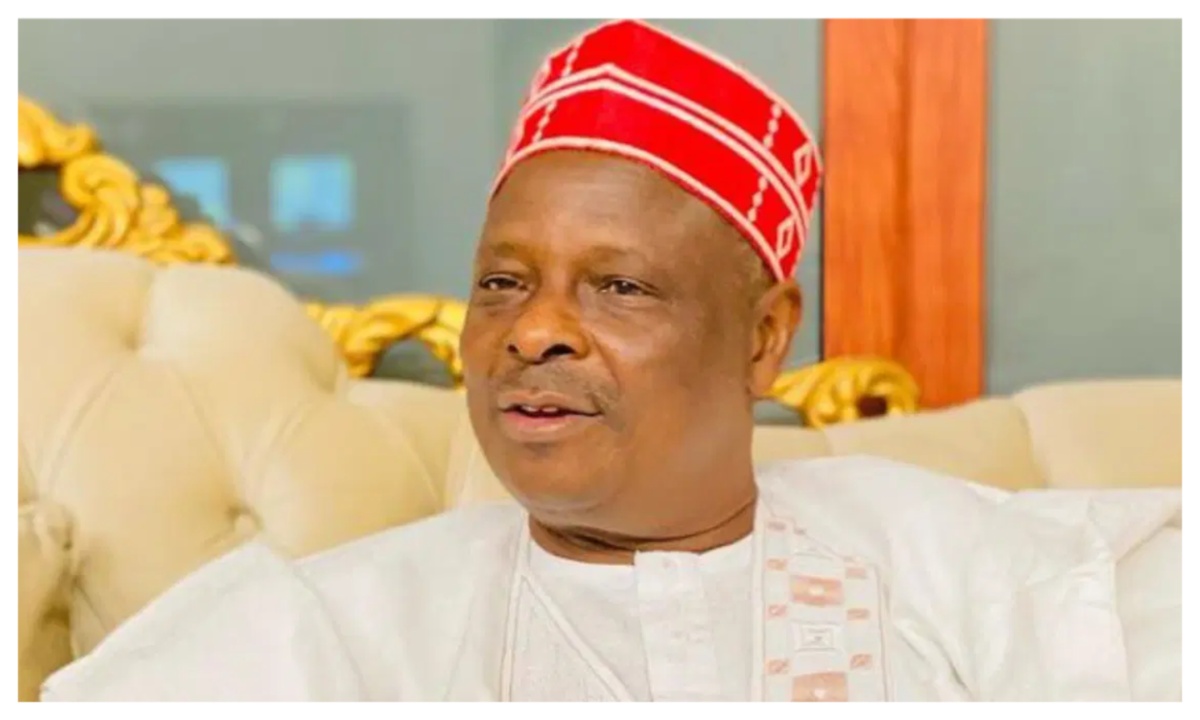
According to political analyst Hassan Ibrahim, the former governor of Kano State, Rabiu Musa Kwankwaso, stands to benefit significantly from his decision to join the Nigeria Democratic Congress (NDC). In an exclusive interview with DAILY POST, Ibrahim characterized the move as a strategic calculation that enhances Kwankwaso’s political standing regardless of the outcome of upcoming elections.
Ibrahim noted that during negotiations with the All Progressives Congress (APC), Kwankwaso had insisted on being either the presidential candidate or the running mate if he were to leave his former party, the NNPP. This demand, according to Ibrahim, contributed to the collapse of those talks. Now, within the NDC, Kwankwaso finds himself among heavyweight contenders such as former Vice President Atiku Abubakar, Labour Party’s Peter Obi, and Rotimi Amaechi, making the race for the presidential ticket highly competitive.
The analyst explained that Kwankwaso’s chances of securing the presidential ticket are slim given the presence of these established figures. Furthermore, because both Atiku and Kwankwaso hail from the north, they are unlikely to be paired on the same ticket. Consequently, Kwankwaso could only realistically aim for the vice-presidential slot if a southerner like Obi or Amaechi emerges as the presidential candidate.
Ibrahim also raised concerns about the legal challenges facing the ADC, noting that both Kwankwaso and Obi are uneasy about ongoing court cases questioning the party’s structure. This uncertainty pushes them to consider alternative platforms. By joining the NDC, Kwankwaso gains access to a more stable political vehicle that offers greater control over candidate selection for various offices, from governorship to local legislatures.
Unlike Atiku, who is primarily seeking a platform for his personal ambition, Kwankwaso leads a well-organized political movement with loyal supporters who depend on him for direction. His influence in Kano, however, has waned following Governor Abba Kabir Yusuf’s departure from his camp, making the need for a broader base more urgent. Ibrahim stressed that in the previous arrangement, Kwankwaso’s odds of becoming the presidential candidate were virtually nil, and even the vice-presidential slot was uncertain. Now, with the NDC, he has a genuine opportunity to secure either the top spot or the number two position.
Should the alliance between Obi and Kwankwaso succeed, Ibrahim envisions Kwankwaso serving as vice president for eight years and then positioning himself for the presidency. Even if the alliance fails, the move still offers tangible benefits: it elevates Kwankwaso’s profile beyond his northern stronghold, helping to shed his image as a regional politician. By aligning with a prominent southerner like Obi, Kwankwaso can appeal to voters in the South and counter perceptions of ethnic bias. “He will be able to tell voters in the South that he has worked with a southerner and is not a tribal politician,” Ibrahim concluded.