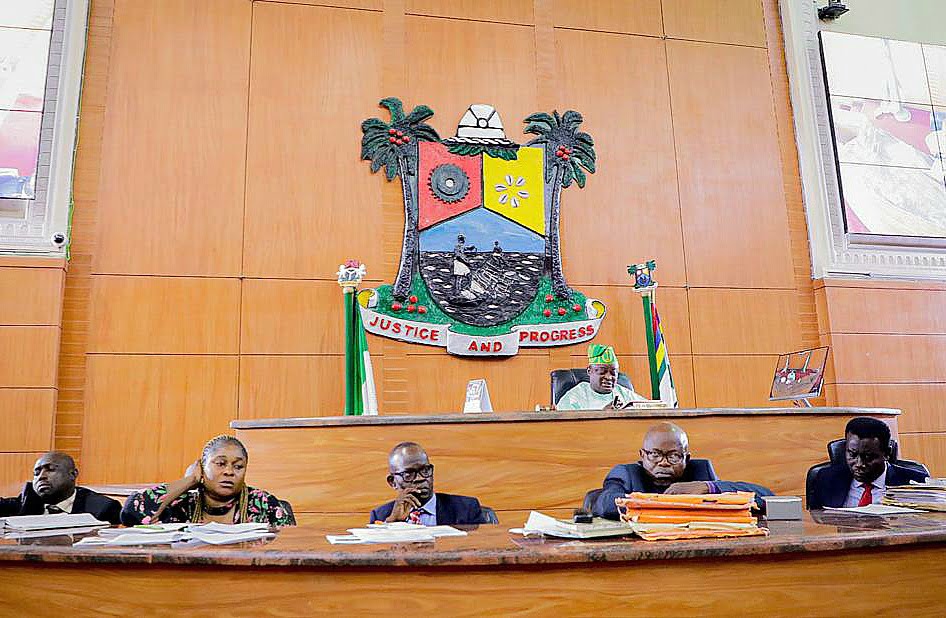
The Lagos State House of Assembly is taking decisive steps to curb unauthorized tax and levy collections across the state. During a public hearing held on Friday, the Finance Committee reviewed a proposed bill aimed at harmonizing revenue collection and prohibiting unofficial bodies from imposing fees.
The draft legislation, titled the Lagos State Harmonised Taxes and Levies (Approved List for Collection) Law, seeks to ensure that only designated tax authorities can assess or collect taxes and levies on behalf of the state or local councils. It explicitly bans individuals, unions, associations, or groups from setting up roadblocks for the purpose of collecting taxes, levies, or membership dues.
According to the bill, the relevant tax authority is empowered to use technology for assessment and collection, streamlining the entire process. It also stipulates that no state agency or local government can authorize the Lagos State Internal Revenue Service to collect taxes without clearly defined terms. Residents are granted the right to challenge any unlawful taxes or levies in court.
The proposed law imposes strict penalties: anyone caught erecting roadblocks for tax or levy collection faces a fine of N5 million, a three-year prison sentence, or both. Additionally, the bill seeks to harmonize daily ticketing and levy collections for market fees, abattoir charges, transport tickets, and animal trade levies, with rates set by the State Joint Revenue Committee where necessary.
If passed, the Lagos State Internal Revenue Service will act as the central collecting agency, with revenue shared between the state government and local councils. Speaker Mudashiru Obasa, represented by Deputy Speaker Mojisola Meranda, emphasized that the public hearing reflects the Assembly’s commitment to participatory governance. He noted that effective lawmaking must be inclusive and that citizens should have a direct say in policies affecting their lives.
Obasa highlighted that the bill addresses longstanding issues of multiple taxation and revenue administration confusion. He stated, ‘One of the major objectives of this bill is to harmonize taxes and levies to eliminate duplication and multiple taxation, which have been major concerns for residents, businesses, and investors.’
Finance Committee Chairman Femi Saheed described the bill as crucial for governance, business, and revenue generation, aligning with recent National Assembly tax reforms. Majority Leader Noheem Adams added that the legislation would strengthen the state’s revenue base and improve service delivery. Stakeholder Ayodele Subair commended the Assembly and pledged support for policies enhancing the business environment and public administration.