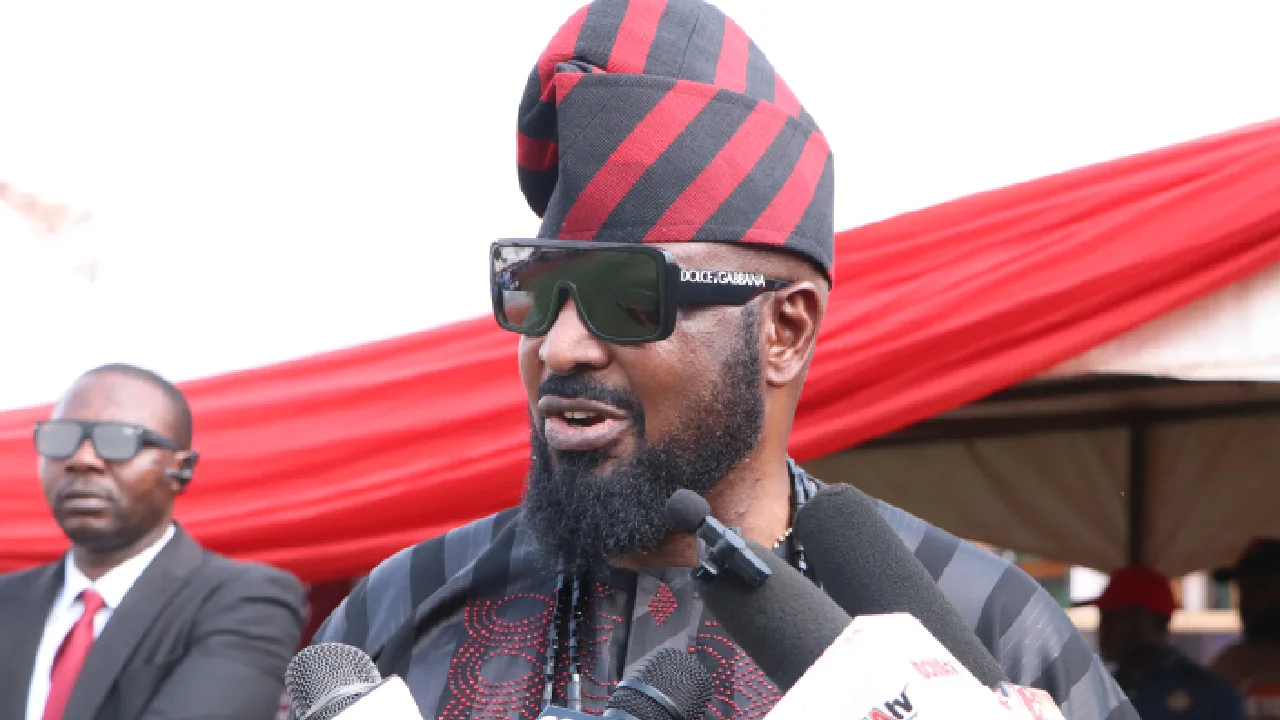
The President-General of the Idoma Association USA, Edwin Ochai, has identified the primary obstacle hindering the Idoma people as a lack of unity, not a shortage of qualified individuals. He made this known during the 2026 Idoma Centenary Plus Lecture in Otukpo, Benue State, on Saturday.
Ochai emphasized that the event broadened his perspective on the challenges the Idoma community faces and the necessary steps toward a brighter future. He pointed out that despite the Idoma nation producing many professors, military generals, technocrats, and other accomplished professionals, this wealth of talent has not translated into the expected political, economic, and social progress.
According to Ochai, the community’s greatest shortcoming is the absence of unity and a shared vision, not a deficiency in education or ability. He remarked that individual accomplishments across various fields show no lack of talent or leadership potential. However, personal interests, political differences, and clan loyalties often override collective benefits, limiting the community’s ability to leverage its full potential for development.
He stated, “The Idoma people continue to excel, but their collective strength remains underutilized. A people united by a shared purpose can achieve far more than even the most brilliant individuals working separately.” Ochai urged that the centenary celebration should serve as a call to action for greater unity and purposeful leadership, not just a reflection on past achievements.
With elections approaching, Ochai called on the Idoma people to look beyond sentiments, personal relationships, and short-term gains when selecting leaders. He advised voters to prioritize candidates with proven competence, integrity, vision, and a genuine commitment to advancing Idoma interests. He stressed that the future depends not on who spends the most or speaks the loudest, but on who possesses the vision, competence, integrity, and dedication to progress.
Ochai further emphasized the need for leaders who can rally professionals, entrepreneurs, traditional institutions, women, and youth around a common development agenda. He described the upcoming elections as a chance to make informed decisions that will benefit both current and future generations. The centenary celebration, he said, should inspire unity, collective purpose, and visionary leadership that can transform the area into a model of progress, influence, and development. He concluded, “The time to act is now. The time to unite is now. Now is the time to make a wise choice.”