Advocates in Ogun State are urging authorities to integrate Persons With Disabilities (PWDs) into the state’s Sexual and Reproductive Health Rights and Safe Termination of Pregnancy (SToP) framework. They highlighted that women with disabilities often suffer fatal consequences from unsafe abortions due to neglect.
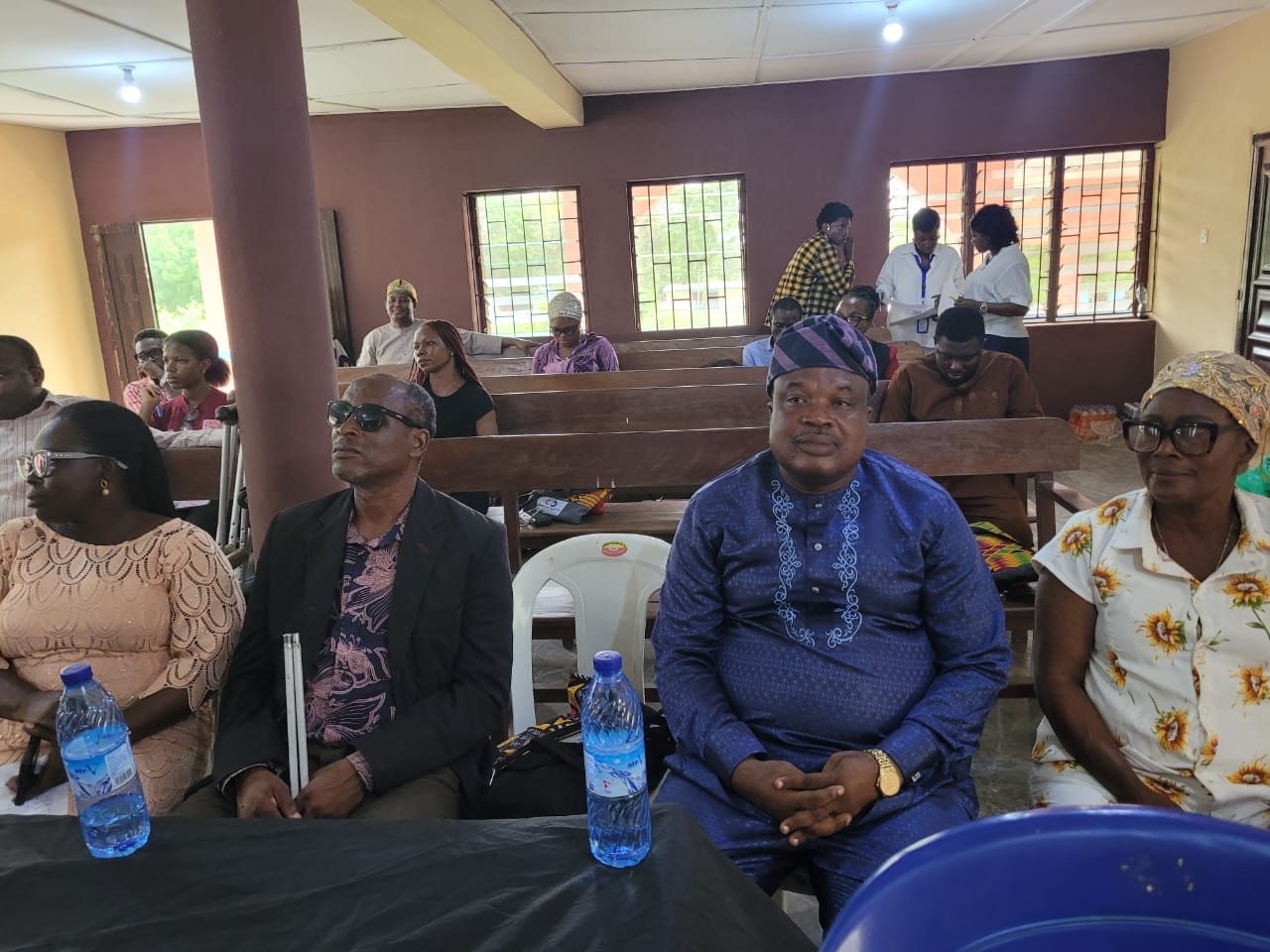
During a meeting on inclusive SToP guidelines in Abeokuta, community leaders, NGOs, healthcare workers, and activists raised concerns. Paul Bennett, head of The Rainbow Alive Hub Initiative (TRAHI), said the gathering aimed to pinpoint obstacles faced by PWDs and push for policy improvements.
Bennett praised Ogun for launching SToP guidelines to protect women but noted the policies overlook marginalized groups like disabled women, those with mental health issues, and substance users. He emphasized that a policy gap leaves visually impaired or non-verbal women vulnerable—if impregnated, they cannot identify the perpetrator or access abortion services easily.
God’s Gift Udoh, TRAHI’s Program Director, stated that although SToP guidelines theoretically cover all women, awareness and execution fall short for PWDs. He called for collective action to meet the SDG 2030 goal of leaving no one behind.
Dr. Michael Ebonhor, Chair of the Joint National Association of Persons with Disabilities (JONAPWD) in Ogun, demanded that PWDs be classified as vulnerable and granted free health insurance. He criticized inaccessible clinics, derogatory language from medics (e.g., “with this condition, who impregnated you?”), and stereotypes that deter PWDs from seeking care.
Ebonhor urged continuous training for health professionals and bridging information gaps, as many disabled girls lack knowledge of where to get help. He also noted that pursuing justice for rights violations is prohibitively costly, causing many to abandon cases.
Another participant, Adeosun Olufemi, advocated for broader awareness campaigns reaching rural areas. He recounted an instance where a deaf-mute woman was raped but couldn’t identify the attacker, underscoring the silent suffering of PWDs.
In response, Dr. Elijah Ogunsola, Executive Secretary of the State Primary Healthcare Board, said the government is recruiting sign language interpreters for public health centers and has installed ramps and accessible toilets in 75 facilities. He assured that PWDs are a top priority and comprehensive reproductive health services are available. “Your choice to have sex or a relationship and decide what to do about pregnancy is respected. We offer family planning and trained health workers—no need to visit quacks,” he stated.
Mrs. Olekanma Funminiyi, Director of Rehabilitation Services at the Ministry of Women Affairs, affirmed the government’s commitment to the safety and wellbeing of all women, including those with disabilities.