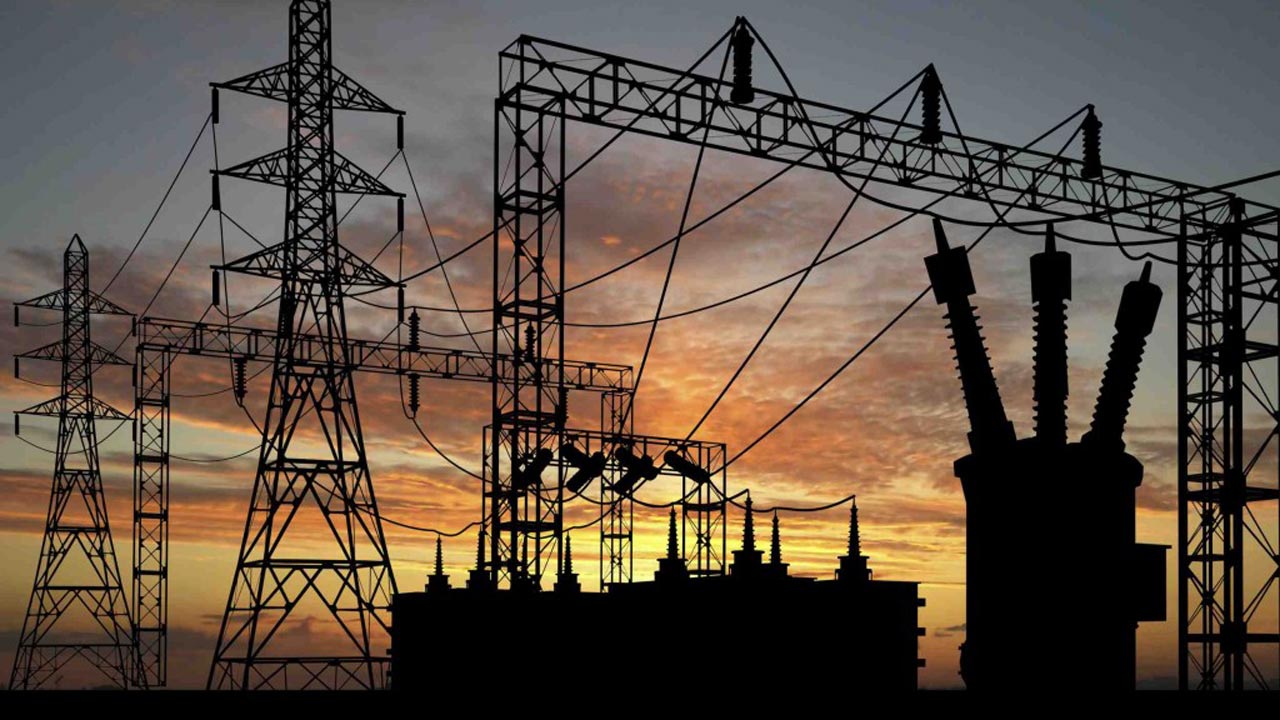
For months now, residents across various communities in Kebbi State have been grappling with an extended and worsening power failure, a development that has severely crippled commercial activities and worsened the quality of life for many. The electricity outage, which has lasted for weeks in some areas, has left shops, homes, and small-scale enterprises in total darkness, forcing many to depend on expensive and unsustainable alternatives.
Small business owners, particularly those dealing in perishable goods, have been the hardest hit. For instance, Musa Abdullahi, a trader in Badariya who sells frozen food and drinks, revealed that the blackout has caused him significant financial losses. He stated, “Without power, I cannot keep my products cold. I am losing customers daily because I lack a solar system strong enough to run my refrigerator. The situation is unbearable.” Similarly, a female entrepreneur in the Kara area of Birnin Kebbi lamented that her sales have plummeted as customers are scarce, and the cost of running a generator has become prohibitive for small traders.
The main electricity distributor for the region, Kaduna Electricity Distribution Company (KAEDCO), which also covers Kaduna, Sokoto, and Zamfara, has faced mounting criticism for its failure to ensure stable power supply. The company attributes the persistent outages to low power allocation from the national grid, transmission bottlenecks, and revenue deficits. However, residents argue that these excuses are no longer acceptable, as the situation has deteriorated beyond what can be attributed to routine load shedding.
In response to the crisis, the Kebbi State Governor, in early April 2026, established a Multi-Stakeholders Committee to engage KAEDCO on the electricity challenges. The committee was formed after a town hall meeting that brought together stakeholders and KAEDCO representatives to discuss the erratic power supply. Its mandate includes assessing the actual power supplied to the state relative to payments made, reviewing billing practices, and identifying operational hurdles. Despite being given a two-week deadline starting April 16 to submit its report, the committee has yet to make its findings public, leaving residents anxious and without any concrete solution.
The state government has taken further punitive measures, suspending its monthly N150 million subsidy to KAEDCO due to poor performance. This decision came after relentless complaints from the public regarding unreliable electricity. Meanwhile, the Special Adviser on Media and Publicity to the Governor, Yahaya Sarki, issued a stern statement urging KAEDCO to act swiftly, describing the prolonged darkness as “unacceptable” and criticizing the company’s “culture of silence.”
Communities like Kawara have been without power for months because of a damaged transformer that has not been repaired. Many residents find solar power systems too costly, and the general neglect of infrastructure is blamed for the crisis. Areas such as GRA and Kara feeders in Birnin Kebbi, as well as the Gesse to Rugga axis, have experienced either unstable supply or total blackout for over a month. The situation continues to deteriorate, threatening the economic survival of many families and businesses in the state.