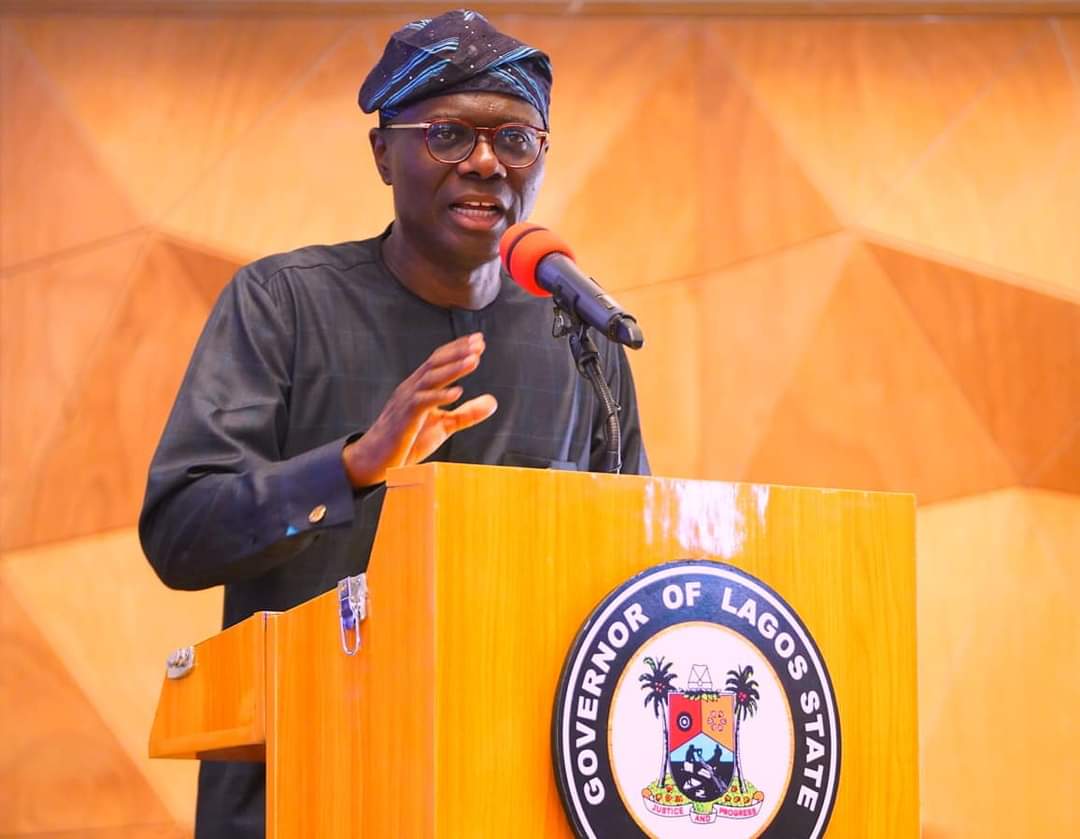
Governor Babajide Sanwo-Olu of Lagos State has outlined ambitious plans for the Omi Eko Project, forecasting a dramatic cut in travel durations for daily commuters. He emphasized that this initiative would not only enhance urban mobility but also spur economic growth throughout the state.
During a meeting with a European Investment Bank (EIB) delegation led by Vice President Ambroise Fayolle at Lagos House, Marina, the governor shared his vision. He expressed gratitude for the EIB’s backing, calling the project a game-changer that will elevate living standards and overhaul the state’s transport network.
The Omi Eko Project is a cornerstone of the administration’s THEMES+ agenda, specifically targeting transportation and traffic management. Sanwo-Olu highlighted Lagos’s role as Nigeria’s commercial hub, attracting investments in tech, finance, innovation, and entrepreneurship. The project aims to weave together road, rail, and water transport into a seamless integrated system.
With about one-third of Lagos covered by water, the governor stressed the strategic importance of maximizing waterways as a viable transit alternative. The Omi Eko initiative, meaning ‘Water of Lagos’, will deliver modern, climate-resilient water transport infrastructure, including upgraded ferry terminals, safer navigation channels, and enhanced commuter services.
Sanwo-Olu revealed that journeys currently lasting up to two hours could be slashed to between 40 and 45 minutes once the project is completed. He praised the EIB, the African Development Bank, and other partners for their support in building a sustainable, efficient transport system. The governor also emphasized the need to diversify transportation options to ease pressure on existing road and rail networks.
He welcomed the EIB’s growing investments in Nigeria’s SME sector, describing small and medium enterprises as vital to economic growth. Referring to the recently concluded Lagos Investment Summit, Sanwo-Olu reaffirmed the state’s commitment to turning investment pledges into tangible benefits.
Earlier, EIB Vice President Ambroise Fayolle announced that Nigeria became the bank’s largest African operational market in 2025, with total lending reaching €550 million. This underscores the deepening partnership between Nigeria, the European Union, and the EIB. Fayolle also revealed a €200 million facility with the Development Bank of Nigeria to support digital and green investments by MSMEs, as well as a financing agreement with Wema Bank to improve credit access for underserved businesses while promoting environmentally sustainable practices.
Regarding the Omi Eko Project, Fayolle called it a flagship EU initiative in Lagos, funded by the EIB, the European Union, and the French Development Agency (AFD). The project will finance modern ferry terminals and electric boats to enhance water transport, aiming to reduce congestion, improve environmental sustainability, and provide more efficient commuting options. Fayolle reiterated the bank’s commitment to projects that drive economic growth, environmental resilience, and improved living standards across Nigeria.
To strengthen ties and explore further sustainable development opportunities, the EIB delegation will visit selected projects in Lagos, including those supported through its collaboration with the Bank of Industry.