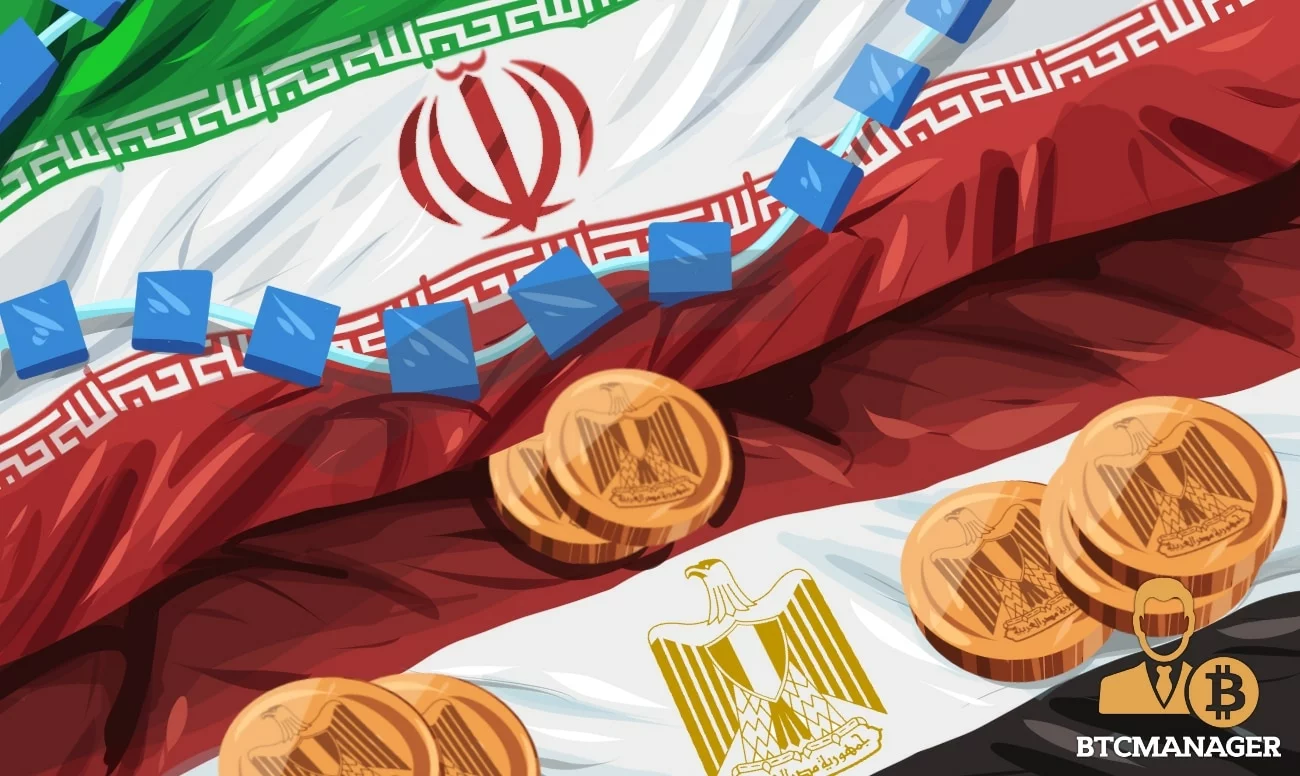
The United States Treasury has announced that it has seized close to $1 billion in digital currencies linked to Iran, intensifying its financial crackdown on Tehran. Treasury Secretary Scott Bessent revealed this during the Reagan National Economic Forum, stating that authorities are monitoring funds connected to Iran’s international networks. Bessent emphasized that the operation aims to disrupt financial channels Iran is using outside conventional banking systems.
Bessent explained that the latest seizures are part of a broader Treasury initiative to cut off revenue streams for Iran’s government and the Islamic Revolutionary Guard Corps (IRGC). The campaign includes sanctions, frozen bank accounts, and actions against blockchain wallets tied to Iranian entities. The Treasury Department has described this as a financial pressure campaign authorized by President Donald Trump. Under this operation, the Office of Foreign Assets Control has sanctioned over 1,000 Iran-linked entities. Bessent said U.S. officials will continue to track money Tehran attempts to move abroad and target financial routes connected to the Iranian regime.
In April, OFAC sanctioned several crypto wallet addresses linked to the IRGC. Subsequently, Tether froze $344 million in USDT across two Tron blockchain addresses in coordination with U.S. law enforcement. Blockchain analytics firm Chainalysis linked these addresses to on-chain patterns associated with known Iranian military wallets. One wallet reportedly held about $213 million, while the second contained about $131 million. U.S. officials stated that the frozen funds were part of a larger effort to block Iranian state-linked actors from moving value through digital assets. The total seizure figure later exceeded $500 million, and Bessent’s latest comments indicate the amount is now near $1 billion.
The crypto seizures follow reports that Iran has started accepting digital assets for overseas weapons sales. Iran’s Ministry of Defense Export Center, known as Mindex, introduced payment terms in January allowing military contracts to be settled in digital currencies. Mindex also permitted barter arrangements and payments in Iranian rials, giving Iran more payment options amid sanctions that have limited access to conventional financial systems.
In April, Iran reportedly considered requiring ships passing through the Strait of Hormuz to pay transit tolls in Bitcoin during a temporary ceasefire with the United States. The policy was described as an attempt to collect revenue outside banking channels while Iran maintains influence over a key oil route. This proposal placed Bitcoin inside a geopolitical dispute involving shipping, sanctions, and military pressure. For shipping firms, the plan raised legal and operational questions because payments could expose companies to sanctions risk.
The Treasury’s latest figures show that U.S. officials now view crypto wallets as part of Iran’s financial infrastructure. Bessent said Washington will continue targeting the financial lifelines tied to Tehran.