Posted on Leave a comment

Jamie Dimon Challenges Clarity Act Over Crypto Deposit Risks

Jamie Dimon Challenges Clarity Act Over Crypto Deposit Risks

JPMorgan Chase CEO Jamie Dimon has voiced strong opposition to the Clarity Act, arguing that it grants crypto companies bank-like privileges without imposing corresponding safeguards. During a Fox Business interview, Dimon emphasized that banks will reject the bill unless lawmakers tighten provisions around stablecoin rewards, which he claims create deposit-like products lacking anti-money laundering and Bank Secrecy Act protections.

Dimon asserted that any firm offering deposit-like features must adhere to the same regulations as traditional banks. He warned that careless stablecoin regulation could lead to significant future problems, urging careful legislative design.

The clash highlights a deepening divide between traditional banking and the crypto industry. Banks fear that stablecoin incentives could lure deposits away from regulated institutions, while crypto advocates like Coinbase push back against restrictions on customer rewards. Dimon also criticized Coinbase CEO Brian Armstrong for the exchange’s extensive lobbying efforts in Washington, accusing him of spending hundreds of millions to influence the legislation.

Meanwhile, the line between stablecoins and bank deposits is blurring. SoFi Technologies recently launched SoFiUSD, the first stablecoin issued by a U.S. national bank, with plans for tokenized deposits offering interest and FDIC insurance. This development underscores the overlap that Dimon warns about, though he acknowledges blockchain’s utility for cross-border payments.

Beyond the regulatory battle, Dimon hinted at JPMorgan’s potential for a major acquisition, mentioning a possible $10–$20 billion deal in the next two years. This comes as the bank prepares to contest the Clarity Act, which Dimon believes could alter the competitive landscape for customer deposits.


Posted on Leave a comment

Wintermute Boosts Prediction Market Liquidity as Sector Surges

Wintermute Boosts Prediction Market Liquidity as Sector Surges

Wintermute, a major player in digital asset market-making, has expanded into prediction markets, offering liquidity to platforms like Kalshi and Polymarket. The firm will provide two-sided quotes on event contracts, aiming to improve execution depth and narrow bid-ask spreads. This move comes as the prediction market sector experiences explosive growth, with trading volumes exceeding $60 billion in 2026 and monthly activity reaching $20-$25 billion.

Jake Ostrovskis, Wintermute’s head of OTC trading, noted that prediction market demand mirrors that of larger asset classes, but liquidity remains underdeveloped. He emphasized that sustained two-sided liquidity can enhance price discovery and support larger trades. Wintermute, which has handled over $5 trillion in cumulative volume across crypto venues, sees its infrastructure as directly applicable to event-contract trading.

The sector’s growth has drawn institutional interest, exemplified by Kalshi’s $22 billion valuation after a $1 billion Series F round. Kalshi, a CFTC-regulated exchange, saw its annualized volume jump from $52 billion to $178 billion in six months. Meanwhile, regulatory scrutiny is increasing, with the CFTC issuing a rulemaking proposal on manipulation risks and at least 11 states advancing legislation targeting prediction markets. Tax concerns also loom, with an estimate suggesting $600 million in forgone tax revenue from unregulated platforms.

Wintermute’s entry could reshape market dynamics, as thin order books have historically plagued prediction markets. For instance, arbitrage opportunities on Polymarket between April 2024 and April 2025 totaled roughly $40 million, indicating pricing inefficiencies that professional market makers can exploit. By tightening spreads, Wintermute aims to make prediction markets more accessible for larger positions and improve the overall trading experience.

Posted on Leave a comment

Coinbase Opens Door to Global Crypto Derivatives for US Institutions

Coinbase Opens Door to Global Crypto Derivatives for US Institutions

In a major development for the digital asset space, Coinbase has launched a compliant gateway that allows institutional investors in the United States to trade international crypto derivatives. Through its futures commission merchant, Coinbase Financial Markets, the exchange is now offering eligible clients regulated access to markets previously available only overseas, with Deribit options leading the initial rollout.

According to Coinbase, this initiative marks the first time a U.S.-regulated entity has provided direct access to global crypto derivatives, including perpetual futures and options. The company expects this move to unlock a significant portion of the crypto trading market, which has historically been dominated by offshore venues. Approximately 80% of global crypto trading volume stems from derivatives, highlighting the scale of the opportunity.

The regulatory framework supporting this expansion is anchored by a staff action from the Commodity Futures Trading Commission. The CFTC staff clarified that certain crypto perpetual contracts may qualify as foreign futures under existing regulations, and issued a no-action position regarding the transfer of customer-owned digital assets to a foreign broker for margin purposes. These rulings provide legal clarity for Coinbase and its clients.

Coinbase completed its acquisition of Deribit, a leading global options exchange, in August 2025 for $2.9 billion. At the time, Deribit handled over $185 billion in monthly trading volume and held roughly $60 billion in open interest. By linking Deribit’s liquidity with Coinbase’s regulated infrastructure, the company aims to fill a critical gap for U.S. institutions that previously lacked a compliant route into the derivatives market.

To strengthen its institutional offering, Coinbase has also deepened its partnership with Standard Chartered, adding fiat funding support for currencies like the Australian dollar, Singapore dollar, Canadian dollar, and Swiss franc. This integration enables institutions to manage capital across spot, derivatives, and financing strategies without the constraint of a single base currency.

For trading firms, the implications are substantial. Access to Deribit options facilitates sophisticated hedging, volatility trading, and basis strategies linked to Bitcoin. Coinbase noted that Bitcoin options open interest exceeded $31 billion as of late May, underscoring the depth of the market now accessible to U.S. participants. The company plans to roll out additional products, including perpetual futures and expanded collateral options, in subsequent phases.

Posted on Leave a comment

Pi Network’s PI token hovers at $0.14 as CiDi Games beta draws over 81,000 users

Pi Network's PI token hovers at $0.14 as CiDi Games beta draws over 81,000 users

Pi Network’s PI token is trading near $0.14, experiencing a period of price consolidation following a brief rally in April. The token’s movement is constrained by low liquidity and the prevalence of IOU listings, which contribute to heightened volatility. Traders are closely monitoring key support and resistance levels amid these conditions.

As of May 29, 2026, PI is priced at approximately $0.144 on Bybit’s IOU market, with a 24-hour range between $0.142 and $0.146. This tight band results in intraday volatility of about 3%, with trading volumes remaining modest across major IOU exchanges. On OKX, a separate PI derivative instrument shows a different pricing structure, highlighting the fragmented nature of Pi-related markets.

This consolidation follows a period in April when PI briefly outperformed the broader market, climbing over 5% on April 29 and roughly 11% for the week, reaching near $0.60. The surge was driven by anticipation of Pi Network’s appearance at Consensus 2026 in Miami, indicating event-driven speculation rather than fundamental demand. Even during that rally, bitcoin fell about 1.6%, and other major cryptocurrencies like ether declined, underscoring the isolated nature of Pi’s gains.

Despite these short-term movements, PI’s long-term performance remains challenging. The token has plummeted more than 90% from its all-time high of around $3.00 in 2025. By December 2025, it had declined to the $0.20 area, driven by weak investor sentiment, post-mainnet selling, and exchange migration pressures. Technical analyses from May 2025 identified oversold conditions near $0.69-$0.70, with potential for a bullish reversal if PI could reclaim $0.74 and target $0.85 or $0.99. However, those levels now appear distant as the token hovers around $0.14.

Fundamentally, Pi Network remains in a state of uncertainty. Proponents highlight real-world utility and compliance progress as key catalysts, while critics point to fragmented IOU markets, unclear circulating supply, and delays in delivering fully unlocked mainnet tokens. The recent CiDi Games beta app, attracting over 81,000 users, adds a positive note but has not yet translated into sustained price appreciation. The next significant move for PI will likely depend on whether developers can convert headline events and a large KYC-verified user base into tangible on-chain demand, enabling a breakout above immediate resistance.

Posted on Leave a comment

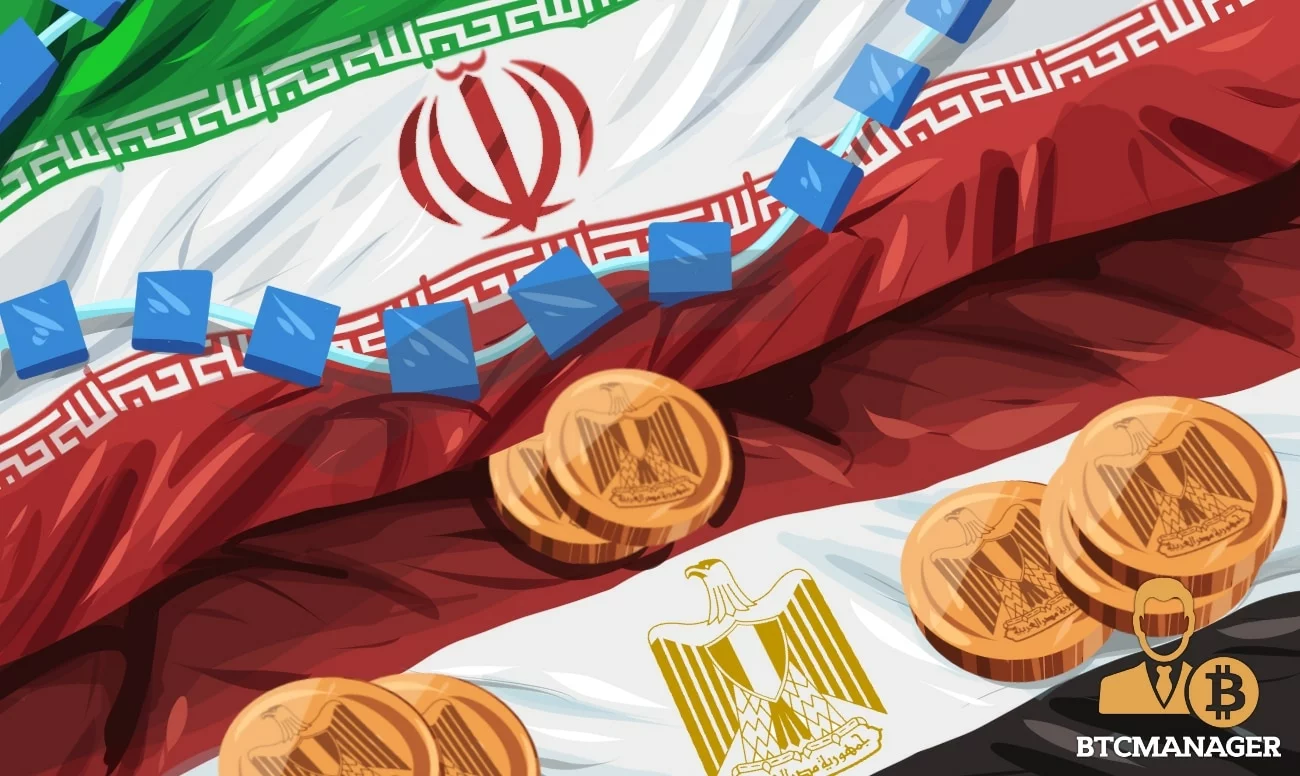
US targets Iran’s crypto wallets, seizures approach $1 billion

US targets Iran's crypto wallets, seizures approach $1 billion

The United States Treasury has announced that it has seized close to $1 billion in digital currencies linked to Iran, intensifying its financial crackdown on Tehran. Treasury Secretary Scott Bessent revealed this during the Reagan National Economic Forum, stating that authorities are monitoring funds connected to Iran’s international networks. Bessent emphasized that the operation aims to disrupt financial channels Iran is using outside conventional banking systems.

Bessent explained that the latest seizures are part of a broader Treasury initiative to cut off revenue streams for Iran’s government and the Islamic Revolutionary Guard Corps (IRGC). The campaign includes sanctions, frozen bank accounts, and actions against blockchain wallets tied to Iranian entities. The Treasury Department has described this as a financial pressure campaign authorized by President Donald Trump. Under this operation, the Office of Foreign Assets Control has sanctioned over 1,000 Iran-linked entities. Bessent said U.S. officials will continue to track money Tehran attempts to move abroad and target financial routes connected to the Iranian regime.

In April, OFAC sanctioned several crypto wallet addresses linked to the IRGC. Subsequently, Tether froze $344 million in USDT across two Tron blockchain addresses in coordination with U.S. law enforcement. Blockchain analytics firm Chainalysis linked these addresses to on-chain patterns associated with known Iranian military wallets. One wallet reportedly held about $213 million, while the second contained about $131 million. U.S. officials stated that the frozen funds were part of a larger effort to block Iranian state-linked actors from moving value through digital assets. The total seizure figure later exceeded $500 million, and Bessent’s latest comments indicate the amount is now near $1 billion.

The crypto seizures follow reports that Iran has started accepting digital assets for overseas weapons sales. Iran’s Ministry of Defense Export Center, known as Mindex, introduced payment terms in January allowing military contracts to be settled in digital currencies. Mindex also permitted barter arrangements and payments in Iranian rials, giving Iran more payment options amid sanctions that have limited access to conventional financial systems.

In April, Iran reportedly considered requiring ships passing through the Strait of Hormuz to pay transit tolls in Bitcoin during a temporary ceasefire with the United States. The policy was described as an attempt to collect revenue outside banking channels while Iran maintains influence over a key oil route. This proposal placed Bitcoin inside a geopolitical dispute involving shipping, sanctions, and military pressure. For shipping firms, the plan raised legal and operational questions because payments could expose companies to sanctions risk.

The Treasury’s latest figures show that U.S. officials now view crypto wallets as part of Iran’s financial infrastructure. Bessent said Washington will continue targeting the financial lifelines tied to Tehran.

Posted on Leave a comment

Texas Bitcoin Reserve Takes Shape with New Advisers, Custodian Search

Texas Bitcoin Reserve Takes Shape with New Advisers, Custodian Search

Texas is making concrete strides toward holding Bitcoin directly, naming a five-member advisory team to oversee its Strategic Bitcoin Reserve. Acting Comptroller Kelly Hancock will chair the committee, which also includes Laurie Dotter, chair of the Employees’ Retirement System of Texas’s Investment Advisory Board, Jamie McAvity of Cormint Data Systems, law professor Carla Reyes from Southern Methodist University, and Gary A. Vecchiarelli of CleanSpark. The panel will guide custody, valuation, and management of the state’s Bitcoin assets under Senate Bill 21, passed in June 2025.

Alongside the committee appointments, the Comptroller’s office has issued a request for proposals for a qualified crypto custodian. The reserve currently holds about $10 million in Bitcoin exposure through BlackRock’s iShares Bitcoin Trust, but the RFP outlines a plan to shift to direct Bitcoin holdings within 60 days of signing a contract. This move positions Texas as a leader among states seeking a formal Bitcoin reserve, with emphasis on secure custody and financial controls.

At the federal level, progress on a national Bitcoin reserve has been slower. President Trump’s March 2025 executive order directed the Treasury to create a reserve using forfeited Bitcoin, estimated at 328,372 BTC. However, legal hurdles delayed implementation until a recent breakthrough, with an announcement expected soon. Meanwhile, Senator Cynthia Lummis and Representative Nick Begich have introduced the American Reserves Modernization Act, which would authorize the Treasury to buy up to 200,000 Bitcoin annually for five years, with a 20-year holding period. If passed, the first Treasury purchase could occur in late 2026.

Posted on Leave a comment

MASSOB Challenges Nigerian Army to Focus on Bandits

MASSOB Challenges Nigerian Army to Focus on Bandits

In a bold statement on Friday, the Movement for the Actualization of the Sovereign State of Biafra (MASSOB) urged the Nigerian Army to redirect its hostility towards the Islamic terrorist bandits terrorizing northern and western Nigeria. The group’s leader, Comrade Uchenna Madu, issued this challenge in response to what MASSOB claims is the Army’s aggressive stance against the upcoming Biafra Day anniversary.

MASSOB alleged that the 82 Division of the Nigerian Army in Enugu described its directive to churches in Biafra land to hold memorial services and prayers for victims of the 1967-70 genocide as irresponsible and provocative. The group criticized the Army for not labeling the activities of Islamic bandits as equally provocative or illegitimate, asserting that the Army should be ashamed of its selective outrage.

The group further urged churches in Biafra land to ignore the Army’s statements and not to succumb to such pressures. MASSOB emphasized that the Army’s provocations will never push them towards violence or armed struggle, highlighting their commitment to non-violence. The group stated that the Army is uneasy with the growing reality of Biafra’s actualization and restoration.

Madu questioned why the Army targets MASSOB, given its non-violent approach and adherence to international standards of self-determination activism. He reiterated that MASSOB has never resorted to arms or retaliated against security agencies for extrajudicial killings of its members, as their foundation is rooted in peaceful principles.

Looking ahead, Madu reminded that tomorrow marks the 59th anniversary of the Biafra declaration by General Chukwuemeka Odumegwu Ojukwu. He called on Biafrans to observe a sit-at-home in commemoration. On Sunday, May 31, all churches in Biafra land are expected to hold special prayers for Biafra and the victims of the genocide endured by the people.

Posted on Leave a comment

Edo Children’s Day Stampede: CRPP Calls for Compensation and Apology

Edo Children's Day Stampede: CRPP Calls for Compensation and Apology

The Coalition of Registered Political Parties (CRPP) has voiced strong condemnation over the chaos that erupted during the Children’s Day festivities at Samuel Ogbemudia Stadium in Edo State, leaving numerous students with injuries. The incident, which occurred on May 27, 2026, saw security personnel deploy pepper spray and tear gas to manage crowds, triggering a stampede that reportedly harmed over 50 students, predominantly girls.

According to CRPP National Chairman Dr. Samson Isibor, the use of non-state actors like bouncers for crowd control at such a large-scale event was highly questionable. He further criticized the involvement of Government House security in authorizing the use of chemical agents, which escalated the situation and led to the trampling of innocent children trying to flee.

The coalition alleged that two students may have lost their lives, though this has not been officially confirmed. Videos and images of the tragic event have circulated widely online, contradicting the state government’s denial of any fatalities. Isibor argued that the disaster exposes Governor Monday Okpebholo’s administration as inept in crowd management and failing to safeguard children, especially girls.

He stated, “This tragedy reveals the government’s so-called child-friendly image as a facade. The alleged invasion by cultists also undermines the governor’s claims of eradicating cultism, showing that security challenges persist.”

The CRPP demands a public apology from Governor Okpebholo to the children and parents affected. They urge the state to cover all medical expenses for the injured and provide fair compensation for their losses.

Recall that the Edo State Government had earlier denied any student deaths, dismissing such reports as baseless.

Posted on Leave a comment

APC Names Uba Sani Chairman of Powerful Ekiti Election Campaign Team

APC Names Uba Sani Chairman of Powerful Ekiti Election Campaign Team

The All Progressives Congress (APC) has set up a robust campaign structure for the forthcoming governorship election in Ekiti State, appointing Governor Uba Sani of Kaduna State as the head of the council. The party initially designated Senator Uba Sani to lead the campaign team on April 24, 2026, with the poll scheduled by the Independent National Electoral Commission (INEC) for June 20, 2026.

Unveiled at the APC National Secretariat in Buhari House, Abuja, the campaign council comprises an array of senior party figures, state governors, cabinet ministers, federal legislators, and influential political stakeholders nationwide. A document bearing the signature of the APC National Secretary, Senator Surajudeen Ajibola Basiru, also names Senate President Godswill Akpabio as the council’s Vice Chairman.

Further notable appointees include Speaker of the House of Representatives Rt. Hon. Tajudeen Abbas; Chief of Staff to the President Rt. Hon. Femi Gbajabiamila; Governors Hope Uzodimma, AbdulRahman AbdulRazaq, Babagana Zulum, Dapo Abiodun, Ahmed Aliyu, Mohammed Umaru Bago, and Lucky Aiyedatiwa; as well as former Governors Kayode Fayemi and Yahaya Bello. Cabinet members Dele Alake, Sunday Dare, and Bunmi Tunji-Ojo have also been listed as council members.

To streamline campaign operations, the APC has constituted specialized sub-committees covering Election Planning and Management, Finance and Resource Mobilisation, Media and Publicity, Security, and Women and Youth Mobilisation. The make-up of the campaign team underscores the high priority the ruling party places on the Ekiti governorship contest and signals strong confidence in Governor Uba Sani’s leadership abilities and political network.

Posted on Leave a comment

MACBAN Applauds US Report on Religious Freedom, Denies Fulani Herders’ Link to Violence

MACBAN Applauds US Report on Religious Freedom, Denies Fulani Herders' Link to Violence

The Miyetti Allah Cattle Breeders Association of Nigeria (MACBAN) has expressed its approval of the recent report from the United States Commission on International Religious Freedom (USCIRF), emphasizing its dedication to peace and rejection of all violent acts within Nigeria.

In a statement signed by its National President, Baba Othman Ngelzarma, MACBAN welcomed the report, which was released on May 8, 2026. The association particularly praised the report for making a clear distinction between criminal elements and the millions of peaceful Fulani individuals living across the country.

MACBAN reiterated its status as a legitimate organization representing pastoralists, with a focus on fostering peace, national unity, and protecting lives and property. The group condemned attacks on communities and places of worship, stressing that criminal activities should not be attributed to any specific ethnic or religious group.

“Assaults on citizens during religious ceremonies or celebrations are unacceptable and go against human values and the laws of Nigeria,” the statement read.

The association further argued that criminal gangs operating in certain regions do not represent ordinary Fulani citizens. It pointed out that many Fulani herders themselves have been victims of cattle rustling, kidnappings, and violent attacks.

MACBAN pledged to continue collaborating with security agencies and traditional rulers to identify and apprehend criminals hiding in rural communities and forest areas. The group noted that its state and zonal branches have been urged to enhance information sharing with authorities to support security operations.

The association also cautioned against ethnic profiling and the blanket stigmatization of herders, warning that such actions could deepen divisions and undermine efforts toward peaceful coexistence. It called on politicians, media organizations, and local security groups to avoid narratives that could inflame ethnic tensions, especially as political activities ramp up ahead of the 2027 elections.